In this piece, Danni Kim reflects on her journey to the Harvard Graduate School of Education, shaped by her background in government policy and her desire to better understand the interconnected systems that shape young people’s lives. Drawing on her experience working across education, health, and social services in Canberra, she shares how her perspective evolved from viewing challenges through siloed policy lenses to embracing a more holistic, human-centered approach. Danni encourages prospective students to trust their instincts, embrace complexity, and recognize that systems change and human development are deeply interconnected.
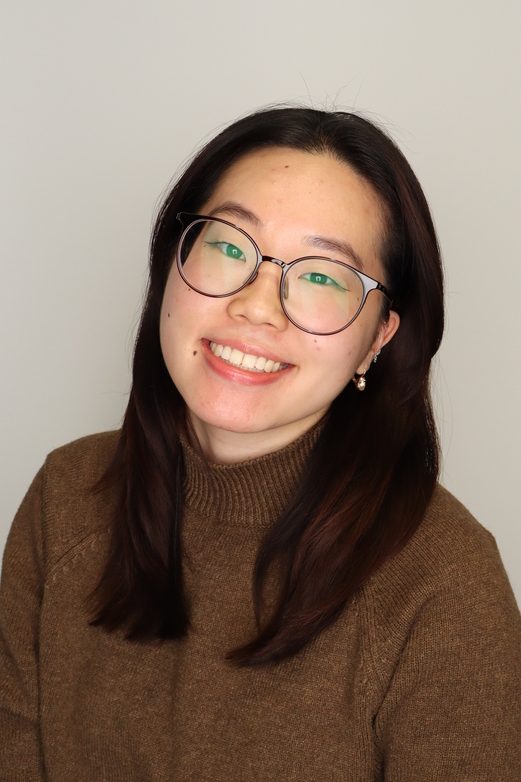
Danni Kim (she/her)
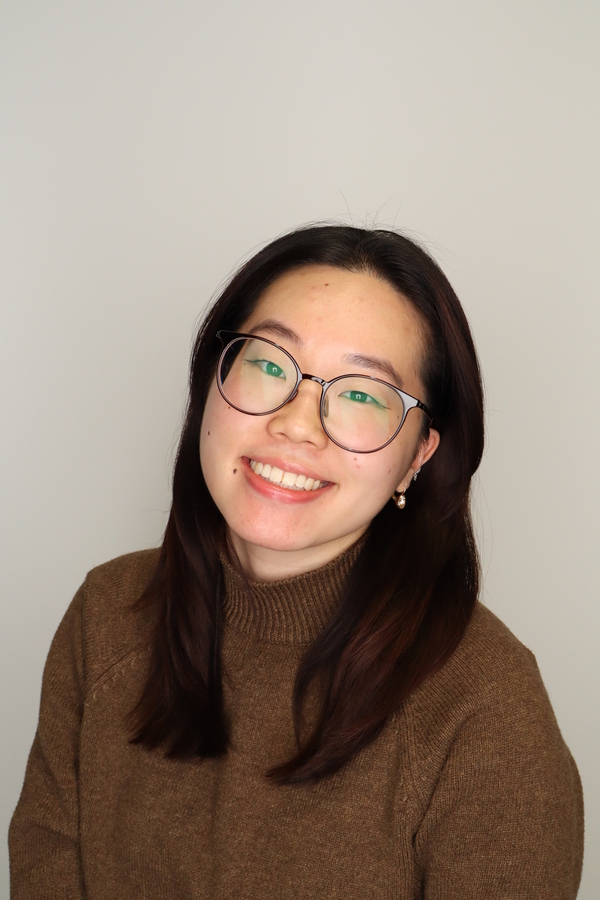
Greetings! My name is Danni, and I am part of the Human Development and Education program. Brisbane, Australia, is home, but I’ve spent nearly a decade across different cities, most recently landing in Canberra: the nation’s capital. As an Australian Public Servant in federal policymaking, my collaborators have been senior executive bureaucrats and Ministers who sign off on national implementation plans and bilateral memoranda of understanding. A natural next step might have been to expand my public policy learning. But there was an immediate magnetism of the HDE program that drew me right in. I realized that I wanted to upskill on understanding what it takes to help support the unique needs of all learners, beyond siloed government portfolio lines. No child or young person experiences the world in neat and systematic buckets of “education”, “health”, and “social services”. Your health influences your ability to attend school, which is affected by family access to a social safety net, which is interwoven with your community’s perception of education. The desire to explore these intersections further led me to Cambridge, all the way from Canberra.
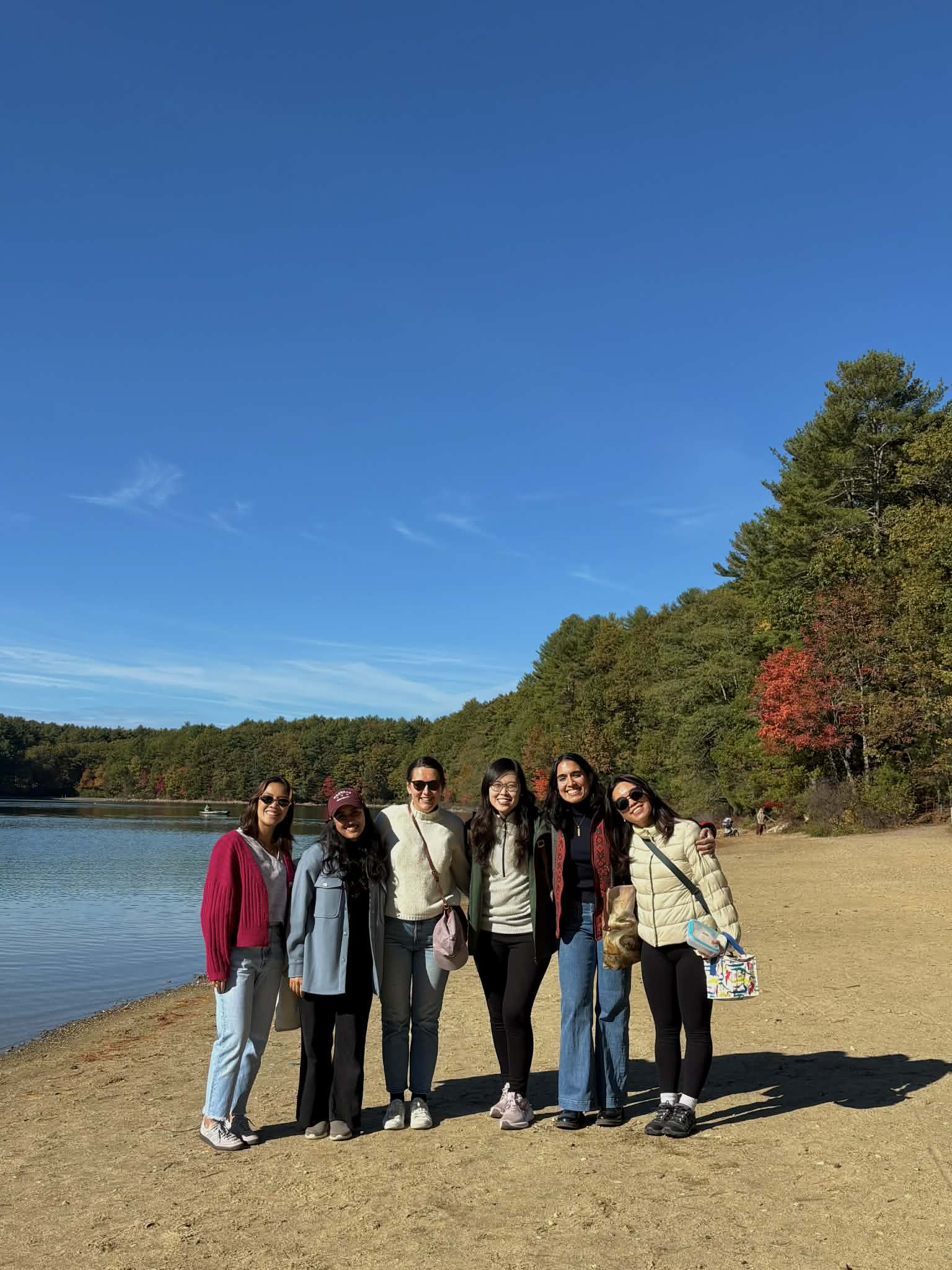
One of my biggest pet peeves is when people throw around the phrase, “but it is a systems issue, nothing will change if the system doesn’t change.” Systemic change is slow-moving and frustrating, but ultimately, systems are created and maintained by people. Far too often, I have witnessed how conceptualizing the ‘system’ as an immovable, amorphous beast has prevented opportunities for meaningful relationship-building and fruitful communication, which are fundamental to systems change. With these ponderings, I committed to delving deep into the world of human development while keeping my systems policy lens active. With 2 months to go until graduation, I have recognized with even more fervor that these two factors are not mutually exclusive but, in fact, absolutely complementary.
These themes have most prominently shown up for me through the Researching in Community practicum with Gretchen Brion-Meisels. Each week, my team of three classmates plans and prepares a lesson for our middle school students that supports their development as youth researchers. In addition to the students themselves, their supervising teachers are valuable partners in enabling participation and contributions.
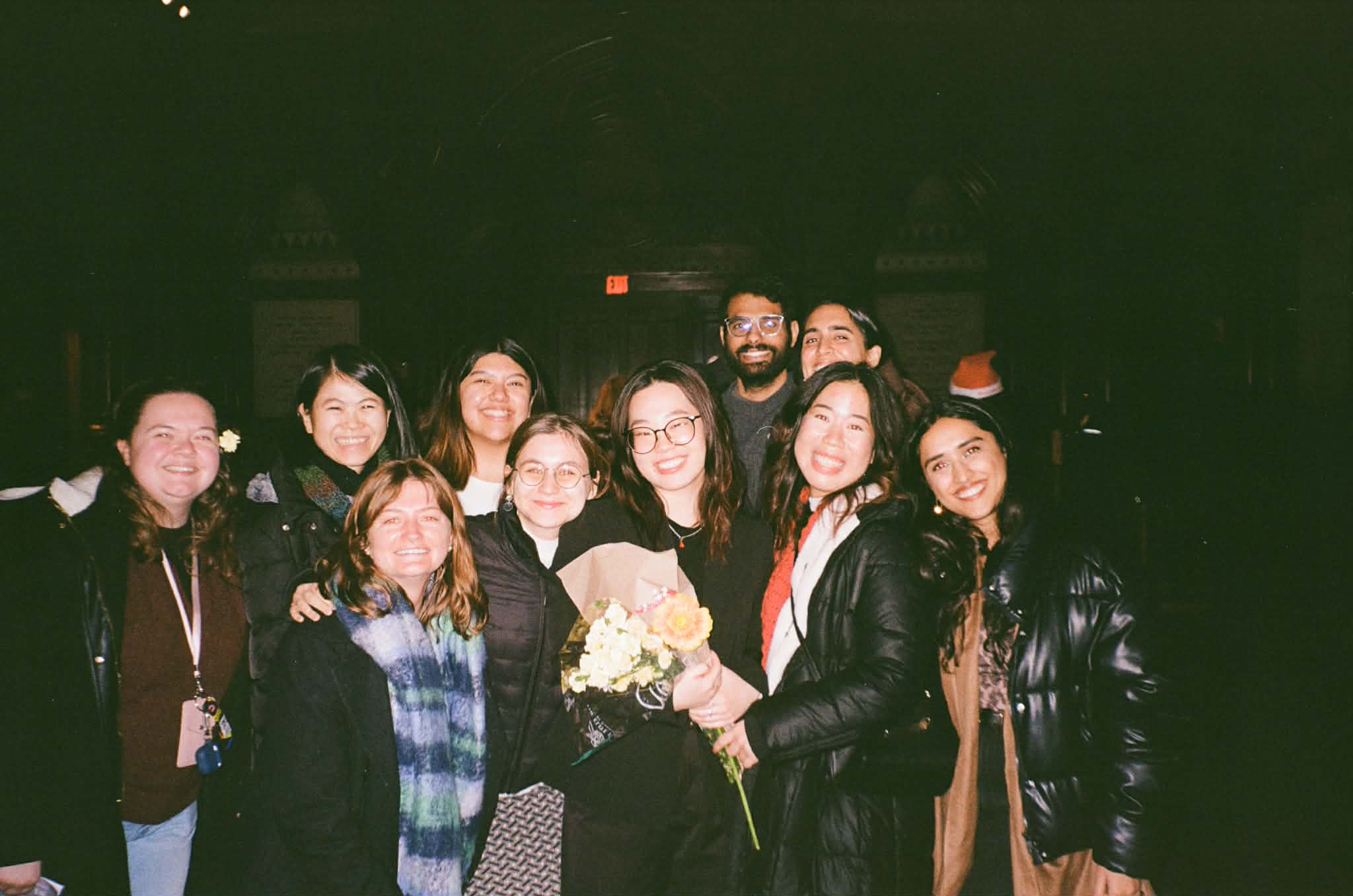
The shift from writing policy briefings on education and social challenges facing children, young people, and their communities to hearing directly about them weekly from youth has been humbling. Middle schoolers don’t hold back – they tell you exactly what is on their mind, or their thoughts are evident in their body language. A blip one week can be repaired the next. Adult dynamics are much more challenging and difficult to maintain. But the underlying principles are very similar; you have to meet people where they are and take them on a journey with you. This is a universal element of relationship building that is not uniform (shoutout to HDE throughlines!). Genuine partnerships are not manufactured overnight and require time to address the ambitions, goals, and apprehensions brought to the table, if there is a desire to continue collaborating.
Through the ups and downs of lesson planning, unpredictability of student availability, and inconsistent communication, I’ve regularly had to remind myself to meet our partners where they are. I receive academic credit and program experience for this project, but for our students and teacher partners, every component of this collaboration concerns the very fabric, routines, and personal experiences of their whole school community. For this particular school’s structures and systems to shift in positive ways, it will require far more than just a couple of Harvard students coming in to shake things up. While our team will finish up at the school in a few weeks’ time, I am hopeful that the culture we have facilitated in the classroom will continue to shape our students’ and adult partners’ attitudes towards working meaningfully with others.
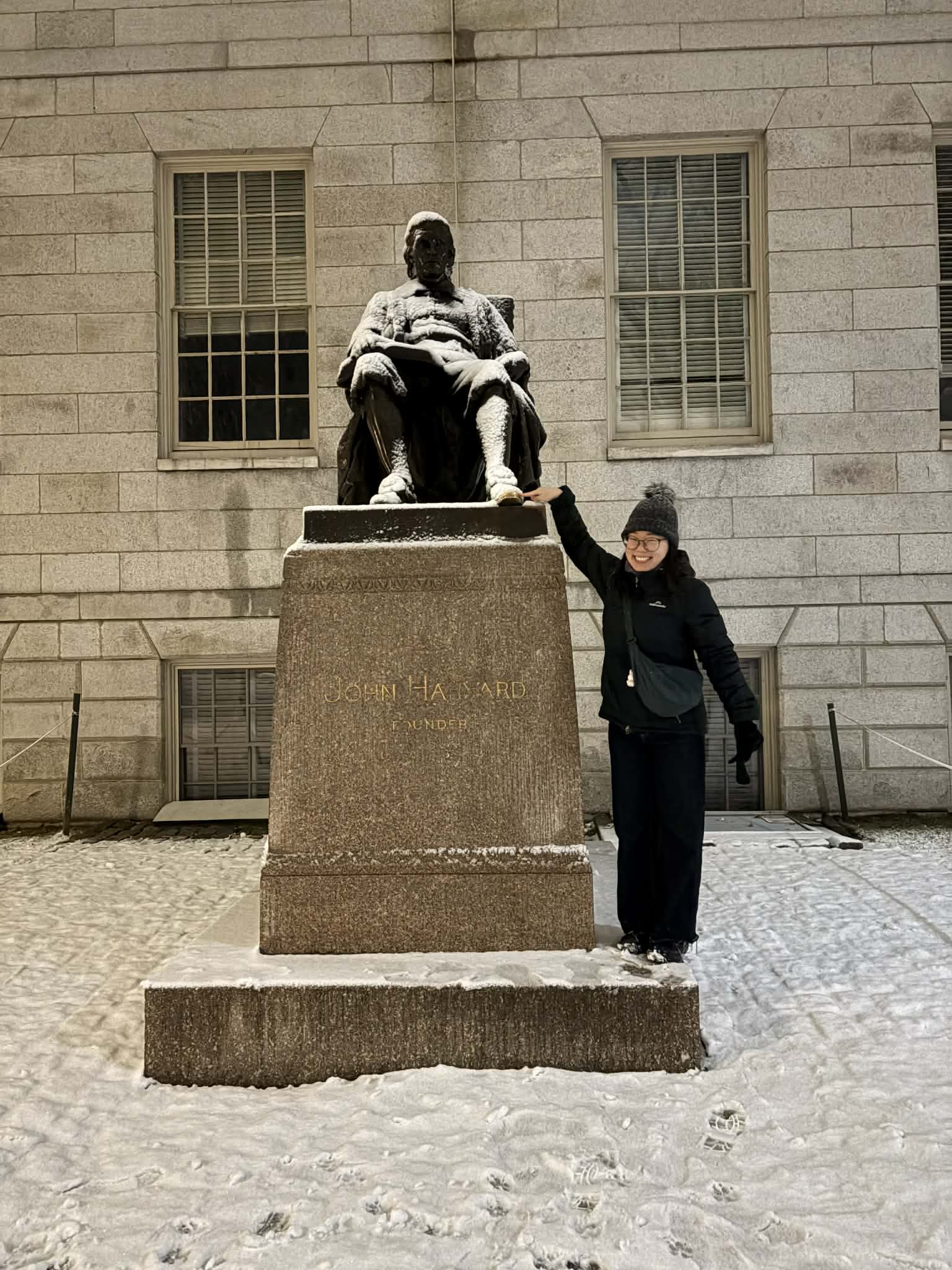
The details of my journey beyond HGSE are still being ironed out, but I believe they are well underway. These deep ponderings and reflective fragments will no doubt inform how I collaborate and respond to systemic challenges set before me for the rest of my career. My advice to prospective students, if you’re stuck on making a decision about which program to select, is to trust your instincts. Whichever stream you select, the Ed.M. curriculum offers plenty of choice and opportunities to shape your narrative! Be brave and honor your interests.
 HGSE Admissions Blog