In this piece, Magaga Enos reflects on his journey from growing up in a rural village in Muhoroni, Kenya, to becoming an Ed.M. candidate at the Harvard Graduate School of Education, shaped by a deep commitment to community and educational equity. Drawing on nearly a decade of experience as a high school teacher at an all-girls school, he highlights his efforts to bridge the gap between policy and marginalized communities, emphasizing the importance of bringing rural voices into decision-making spaces. He encourages others to view their lived experiences as valuable assets, embrace collective responsibility, and work toward systems that center those most often left at the margins.
magaga enos (he/him)
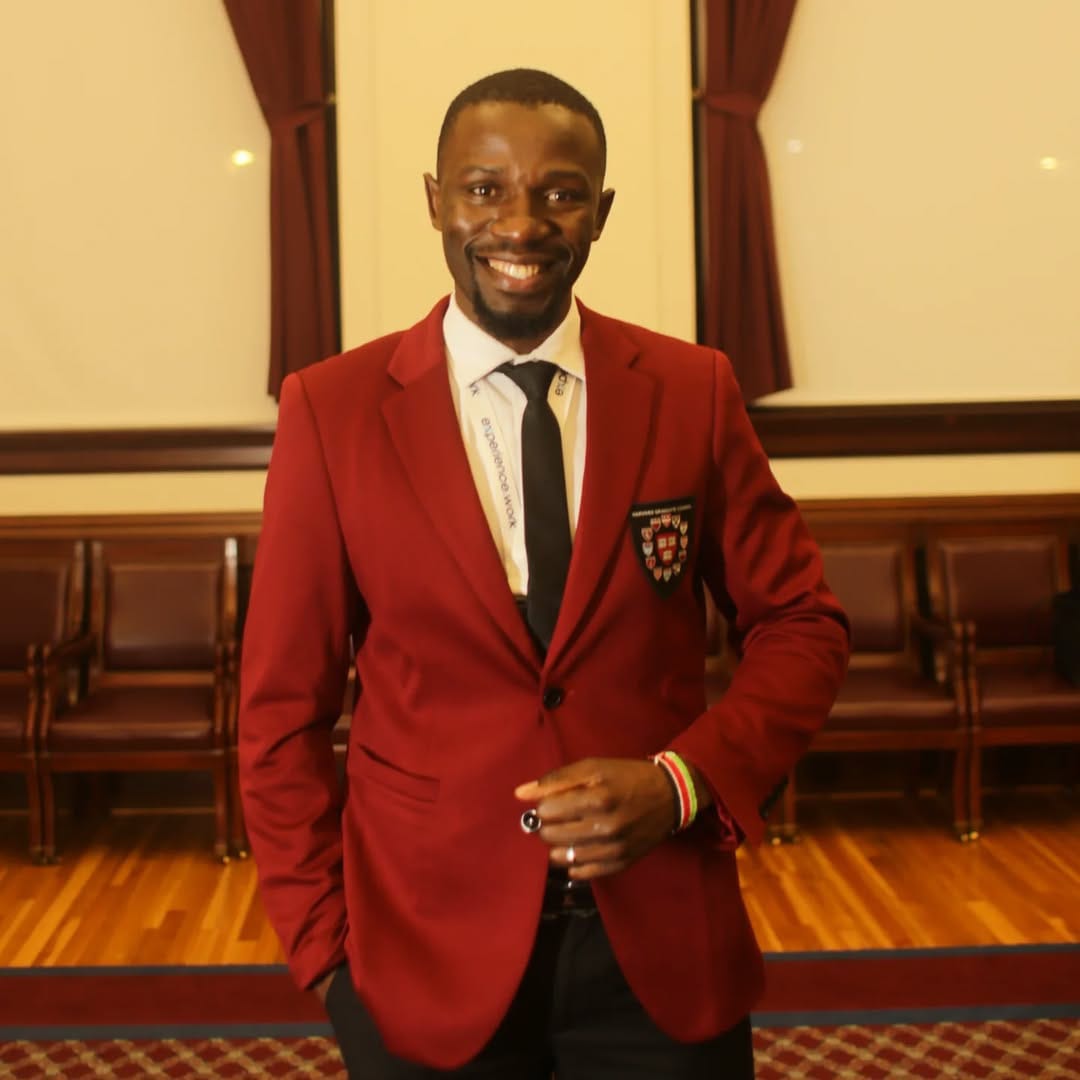
My name is Magaga. I was born and raised in a tiny village in Muhoroni, Kenya, under the loving care of two remarkable women: my grandmother and my mother. In our village, compassion was expressed through sharing and showing up for one another. That spirit of community, the idea that our progress is tied to our neighbors’, shaped how I see the purpose of education.
For the past decade, the role that has defined me most has been that of a high school teacher at Tembea Academy, an all-girls school in a rural community. As a champion of rural education, I often felt that my students lived at the margins of policy conversations. Their brilliance was evident in the classroom, but their experiences rarely shaped official decisions. Much of my work felt like “working around” a system that wasn’t built for them.
Joining the Education Leadership, Organizations, and Entrepreneurship (ELOE) program was a commitment to redesigning systems so marginalized students are never an afterthought. A turning point was a policy analysis course where, rather than choosing a “global” context, I focused on Kenya. My team partnered with the Kenyan Ministry of Education to advocate for girls in pastoralist and rural regions. What began as an assignment sparked real dialogue back home; our work prompted my county director of education to visit the school where I taught for seven years. Seeing a formal official engagement with a rural girls’ school principal proved that change requires both solid data and the relational courage to bring the margins to the center of the table.
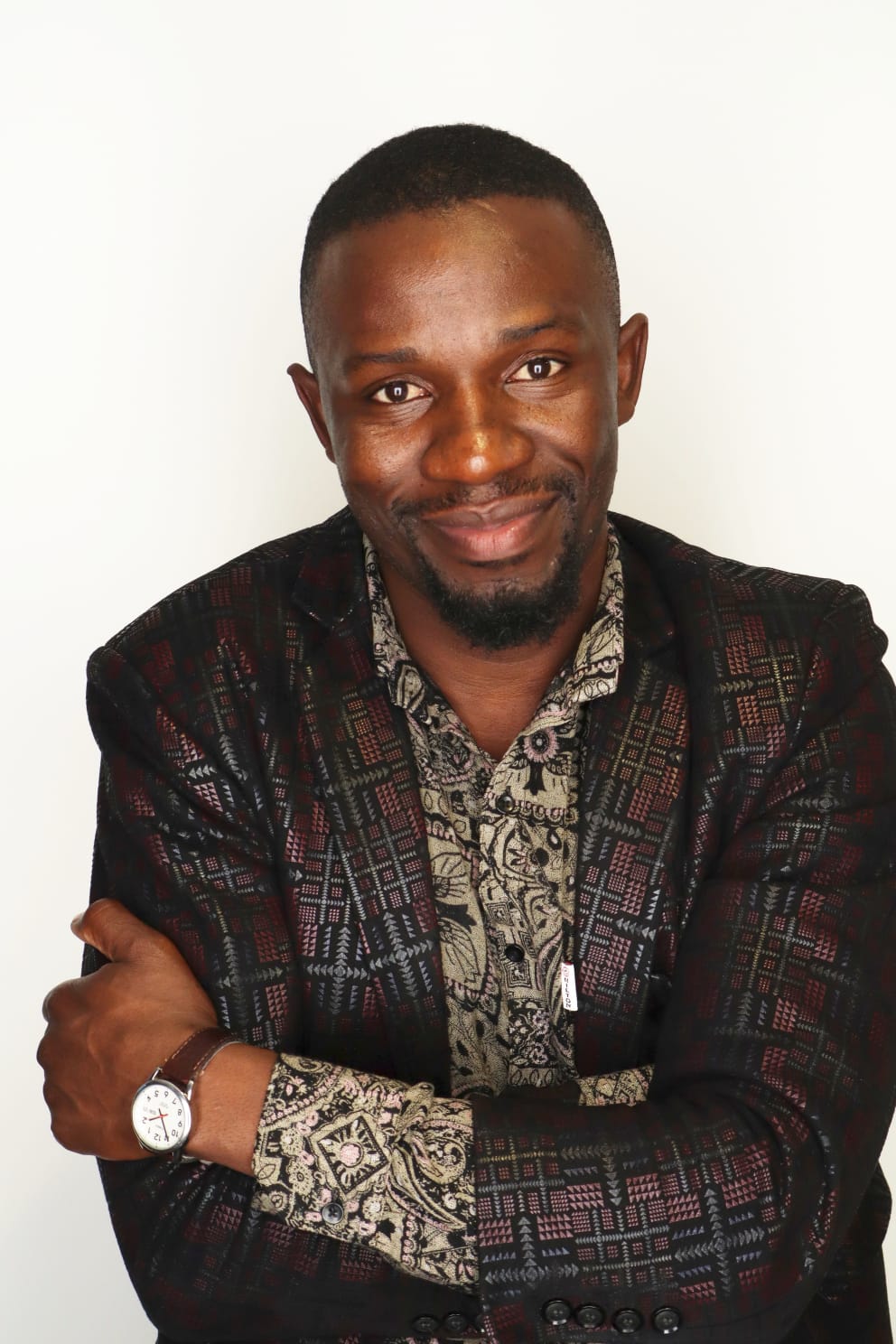
This experience led me to the Global, International, and Comparative Education concentration. I started to place my rural Kenyan story in conversation with struggles from many other contexts. Instead of seeing my world as “small,” I learned to see it as a vital lens for understanding global questions of equity and justice.
The ELOE program provided a community that mirrored the warmth of my grandmother’s home: a space grounded in care where every voice mattered. In our fall PCE course, our Transformative Leadership Teams were built on intentional diversity. We quickly learned that silence wasn’t a form of protection; it was a missed opportunity for the collective. By staying quiet, you were withholding a perspective that no one else could provide. I came to realize that my journey in Kenya wasn’t just a personal narrative; it was a vital asset and an essential data point for our shared work. When I spoke up, I wasn’t just sharing a story; I was contributing a unique lens that helped my peers see a world they might never visit, just as their diverse backgrounds expanded my own. In this space, our differences were never viewed as deficits to be managed, but as our greatest collective strength.
I was especially moved by the confidence of my female classmates. In policy debates and everyday conversations, I saw bold, thoughtful women openly name their values and choices. This stood in sharp contrast to the community where I grew up, where men often dominated most decisions and women could be labeled for speaking too strongly. At HGSE, I often felt as if I was looking at a living picture of the future I want for my girls back home and for my own two young daughters. I want them to grow up in a world where their voices are not only heard but are anticipated and expected. I want them to lead with the same clarity I see in my peers here, knowing that their contributions are the foundation of a better society.
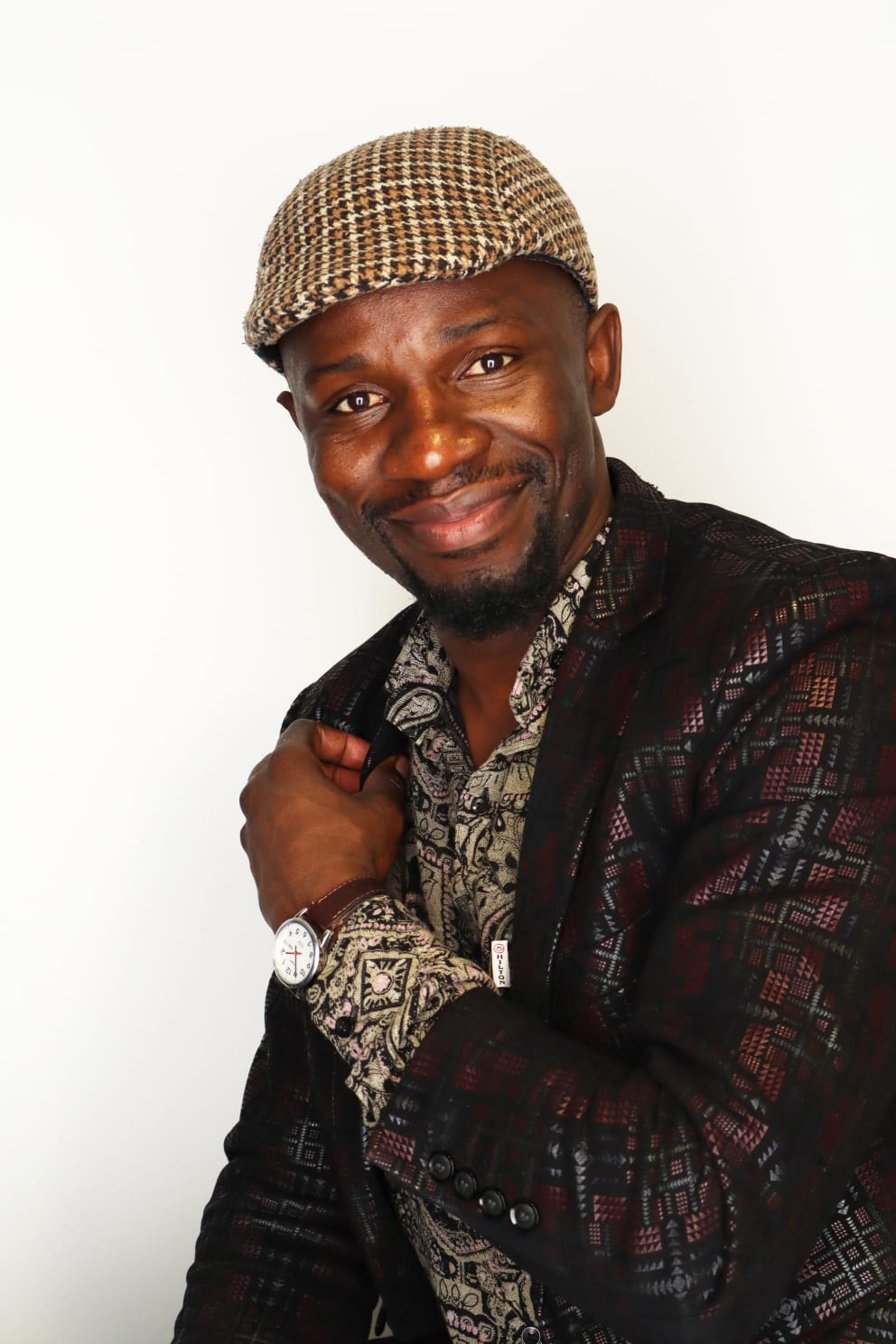
Navigating this journey while far from my wife and three children was not easy. Every video call home was a reminder of the community I represent. In the middle of the fall semester, I lost my sole sponsor. That loss brought immense fear, but the Office of Student Support and the ELOE community stepped in with compassion that went far beyond formal roles. Their support helped me reimagine what “peace” in education means. It does not mean the absence of struggle; it means the presence of people and structures that help you keep going.
Beyond the classroom, serving as the HGSE representative to the Harvard Graduate Council and co-president of the HGSE African Student Organization expanded my leadership skills. I have learned that good leadership often means asking more questions than giving directions. It means creating spaces where marginalized stories are valued.
My life at HGSE has been demanding, but it has also been profoundly healing. It has given me the tools to return to Kenya with greater clarity. I am no longer just a teacher working around the system; I am a leader prepared to stand alongside my community to reimagine it.
 HGSE Admissions Blog