In this piece, Huang Zhongyang reflects on his transition from international education entrepreneur to graduate student in the Education Leadership, Organizations, and Entrepreneurship (ELOE) program at the Harvard Graduate School of Education. Drawing on over a decade of experience guiding students through global higher education pathways, he examines how his work prompted deeper questions about the purpose and impact of education beyond admissions outcomes. Huang highlights how his experience has reshaped his understanding of education as a tool for cultivating resilience, ethical reasoning, and cross-cultural competence, and how he hopes to integrate these insights into future education programs that bridge humanistic learning with emerging technologies.
Huang Zhongyang (he/him)
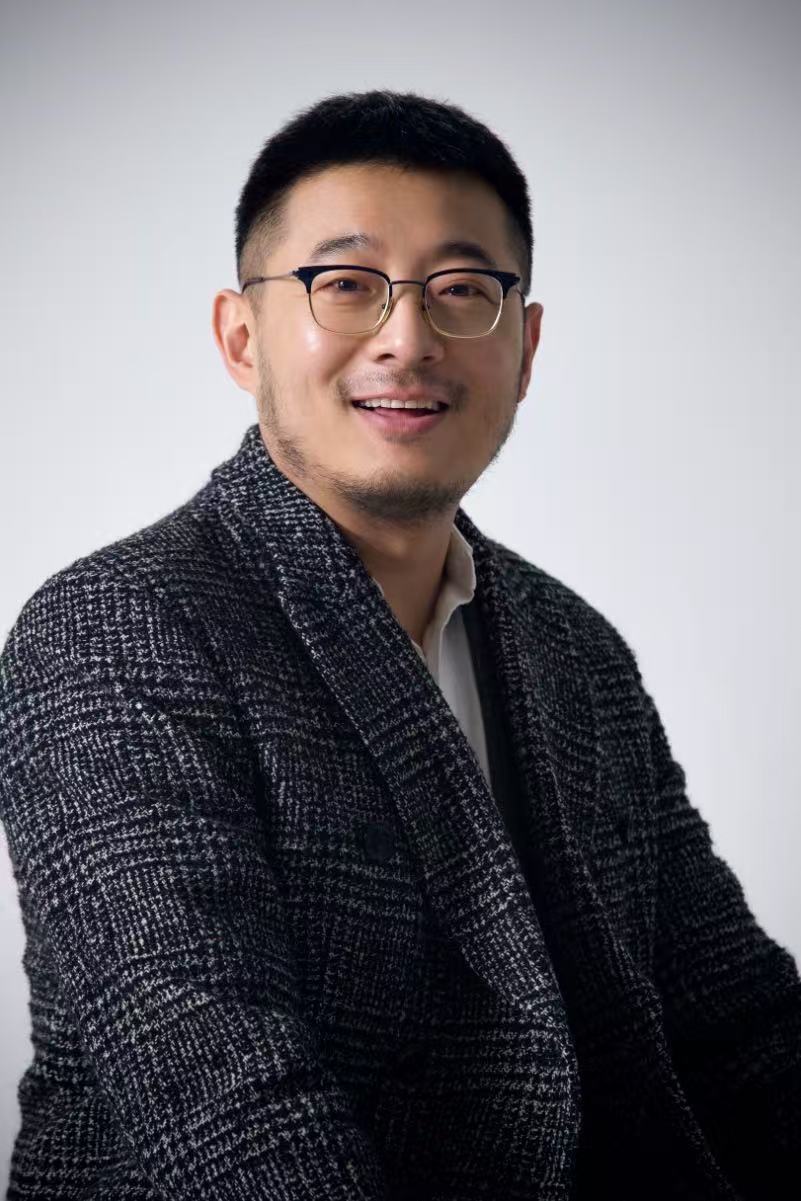
In my first week in Cambridge, I left the library just before midnight. The air was sharp, and the lights of Harvard Yard glowed against the autumn sky. I remember thinking: for the first time in fourteen years, I am not the advisor sending students to universities. I am the student again.
My name is Huang Zhongyang, and I am a candidate in the Master’s in Education program in Education Leadership, Organizations, and Entrepreneurship (ELOE) at the Harvard Graduate School of Education. I earned my Bachelor of Social Science in Asia Pacific Studies from Ritsumeikan Asia Pacific University. For over a decade, I have worked in international education as an entrepreneur, helping students navigate pathways to global institutions.
But after years of guiding others toward places like Harvard and MIT, I began to ask myself a more personal question: What kind of education was I truly preparing them for? And what kind of person did the world now require me to become?
That question brought me here.
The first month was disorienting. Each class demanded more than 100 pages of dense academic reading. Seminars lasted three hours, and discussions moved quickly across disciplines: policy, sociology, economics, and technology. I remember sitting in one session, trying to follow the conversation while quietly wondering if I truly belonged in the room. For a brief moment, I even considered dropping a course.
What challenged me most was not the workload itself, but the intellectual expectation. Professors rarely provided direct answers. Instead, they responded with deeper questions: How do you know? What assumptions are you making? What structural forces are invisible here? The classroom was not about absorbing knowledge; it was about interrogating it.
Gradually, something shifted. In one course, we examined historical narratives using analytical frameworks that mapped relationships between individuals, institutions, and power structures. What initially seemed like fragmented stories transformed into systems, patterns shaped by culture, incentives, and invisible constraints. I experienced what I can only describe as a cognitive expansion.
Education, I realized, was not about mastering content; it was about training the mind to see complexity clearly.
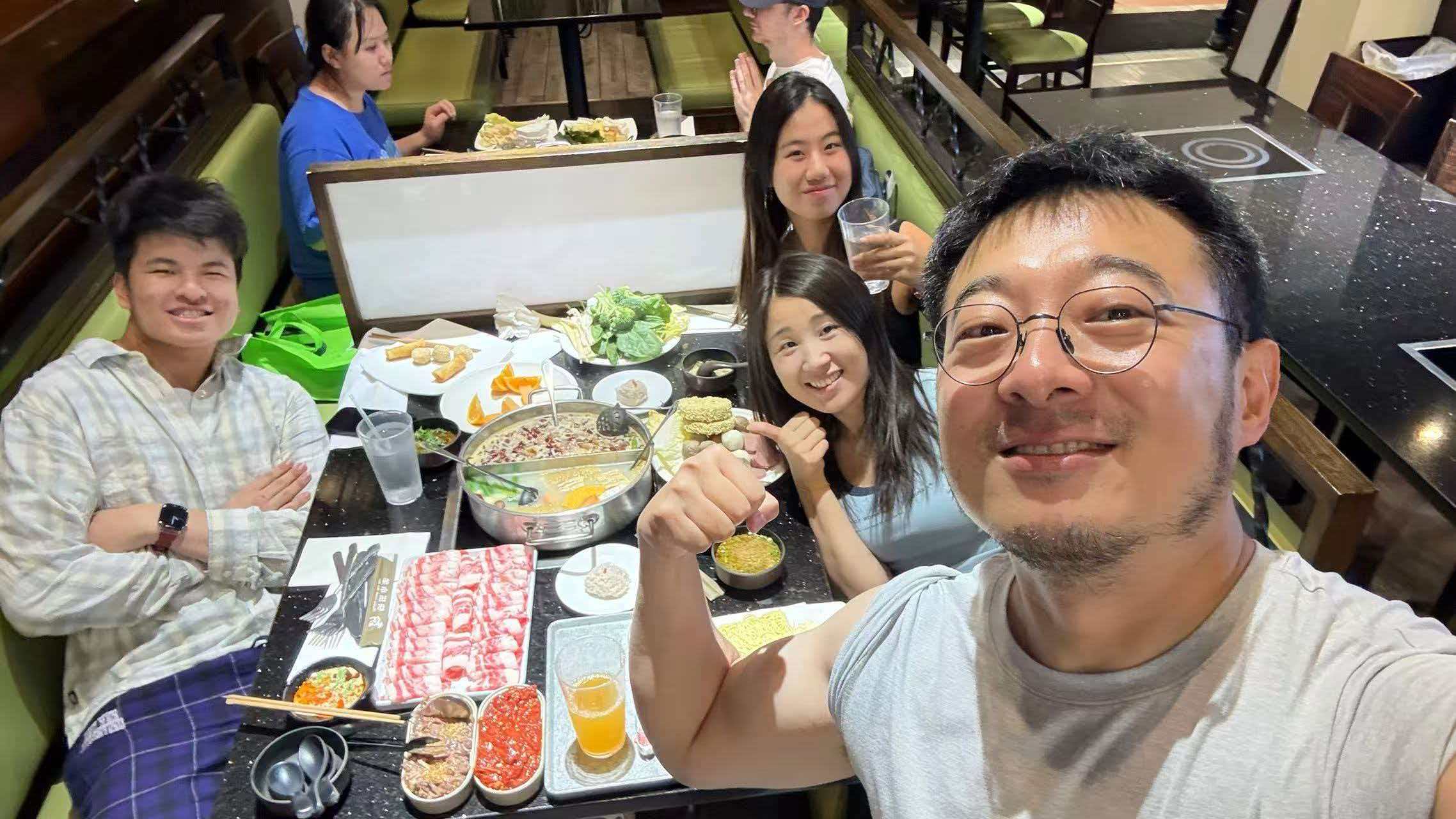
Beyond academics, balancing life in Cambridge has required deliberate structure. My days are carefully divided: mornings and afternoons for classes and study; evenings for maintaining the educational organization I built over the past decade; and regular visits to the Malkin Athletic Center to reset mentally. Exercise became essential, not for performance, but for clarity. In moments of exhaustion, running on a treadmill or lifting weights helped restore equilibrium.
Creativity, for me, lives in the intersections. Cambridge offers constant reminders of that possibility.
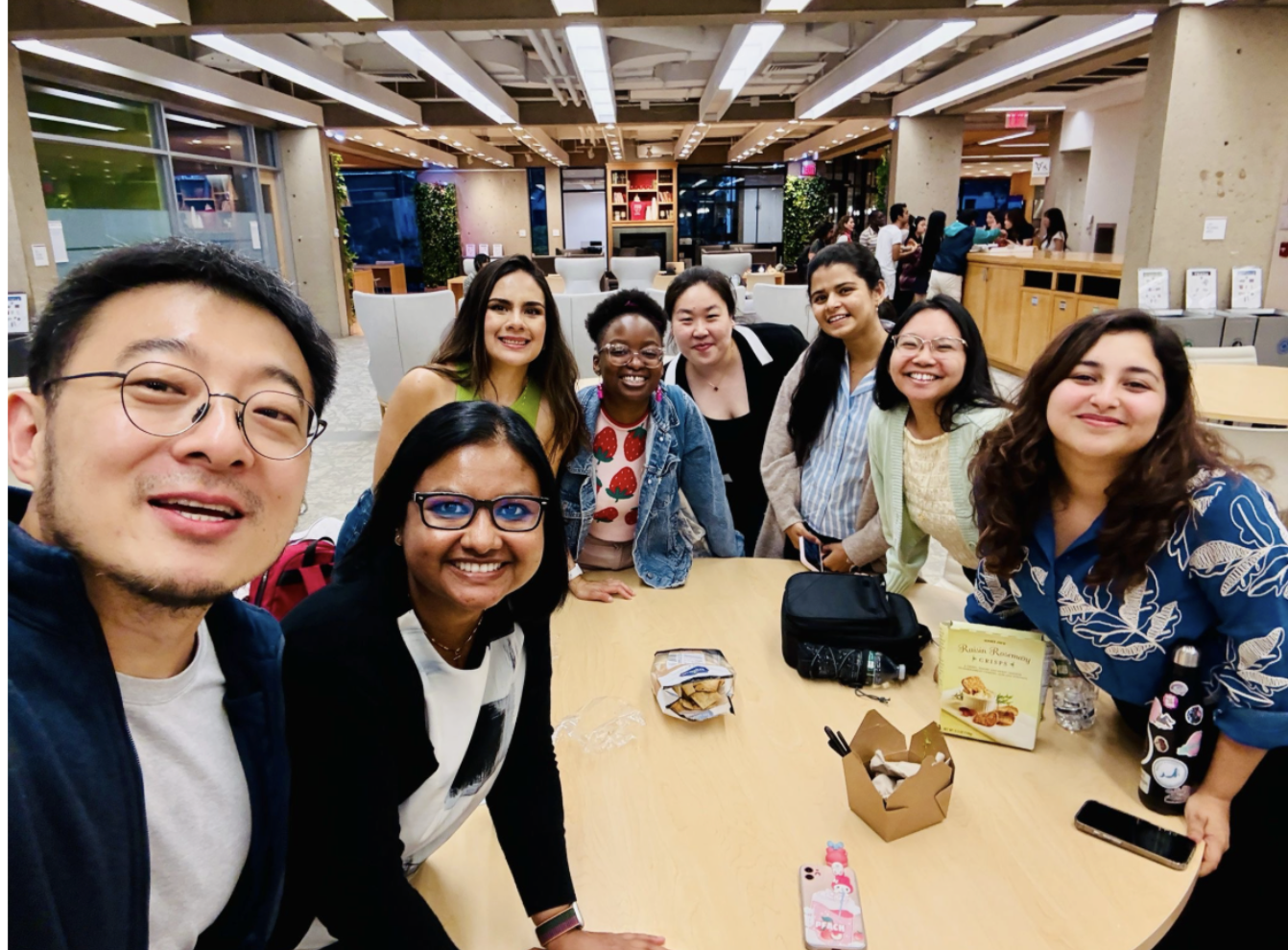
Informal gatherings, student pitch nights, and spontaneous conversations in Harvard Square often spark ideas that connect education, entrepreneurship, and technology. Some of the most meaningful learning has happened outside formal classrooms, in discussions with peers from across the world who challenge my assumptions and expand my thinking.
My professional journey shaped my interest in education long before I enrolled in HGSE. As an entrepreneur working with families navigating global mobility, I saw how education was often reduced to admissions outcomes. But I also witnessed the deeper struggles students faced abroad: identity confusion, cultural adjustment, and mental health challenges. These experiences convinced me that education must go beyond access. It must cultivate resilience, ethical reasoning, and the ability to operate across cultures.
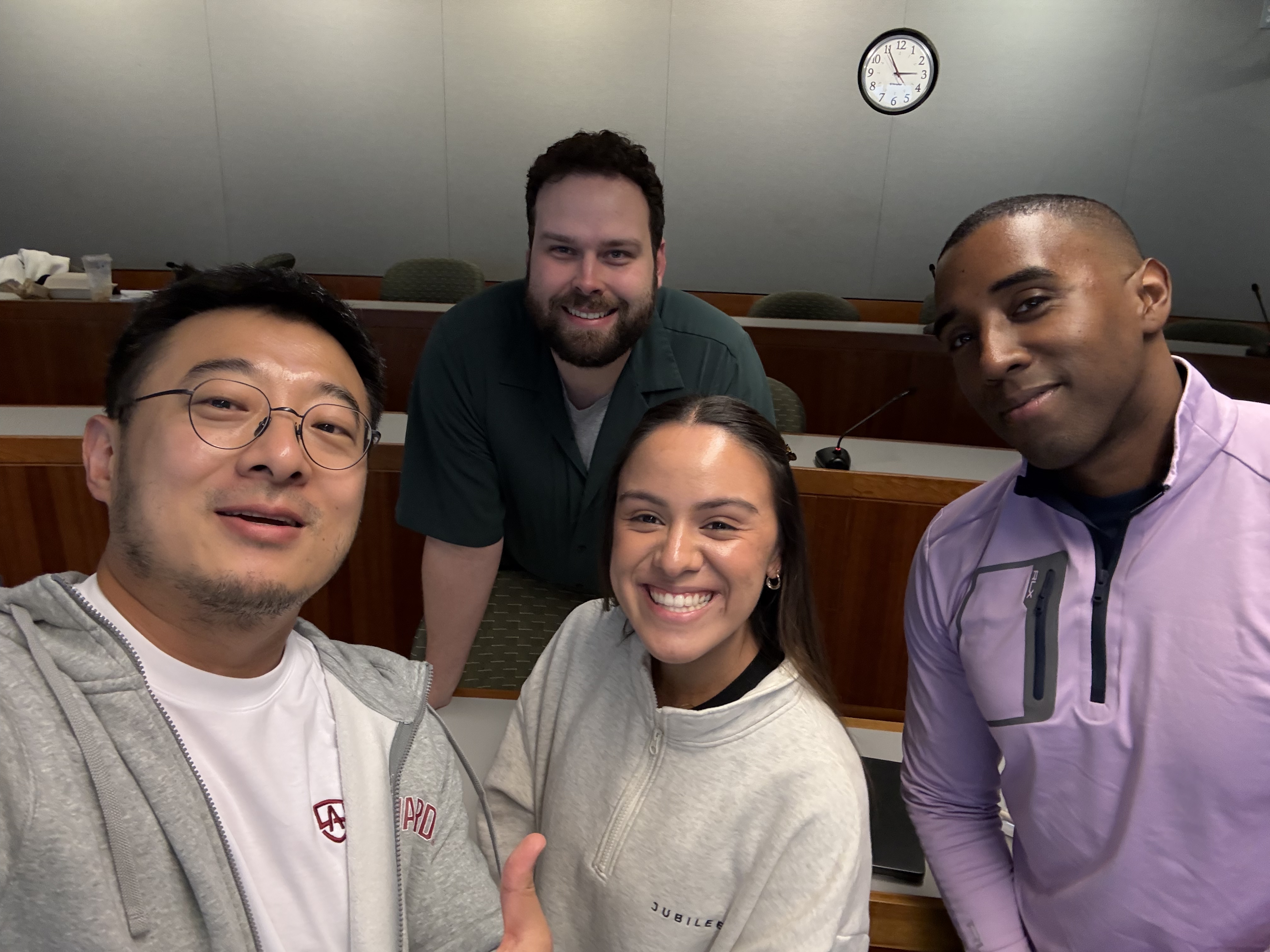
At HGSE, I brought a practitioner’s lens. Years of building programs taught me to think in systems and design with implementation in mind. I am comfortable with uncertainty; entrepreneurship is constant ambiguity. That resilience helped me adapt when academic pressure felt overwhelming.
If I could offer advice to prospective HGSE applicants, it would be this: come with a question that unsettles you. Graduate study here will not hand you clarity; it will stretch your thinking until clarity emerges through struggle. Embrace ambiguity. Invest in your classmates; they are as transformative as any syllabus. And protect your well-being. Sustainable growth requires balance.
Looking ahead, I intend to redesign the programs I have built over the past decade, integrating liberal arts foundations with emerging technological competencies, particularly in AI literacy. I believe the future of education lies not in choosing between humanistic depth and technological advancement, but in integrating them thoughtfully. Students must learn not only how to use tools, but how to ask ethical, cross-cultural, and systemic questions about the world they shape.
Studying at HGSE has not simply expanded my knowledge; it has reshaped my identity. From guiding students toward global institutions to becoming one of them, I have rediscovered what it means to struggle, adapt, and grow.
In Cambridge, I learned that balance is not about doing less. It is about integrating who you were, who you are, and who you are becoming. Beyond the classroom, that integration is the real education.
 HGSE Admissions Blog