In this piece, Naznin Musa reflects on how her lived experience as a first-generation student and informal caregiver in the Netherlands became the foundation for systemic change in higher education. Confronted with the reality that roughly one in six students balances academic life with unpaid caregiving responsibilities, Naznin refused to accept a system where support existed only in fragments. Naznin translated student advocacy into institutional and national reform, bringing the issue onto the agenda of the Dutch Ministry of Education and contributing to policy discussions under the Higher Education and Research Act. At HGSE, through the Human Development and Education program and her concentration in Identity, Power, and Justice in Education, she has deepened her understanding of how systems, power, and policy shape opportunity.
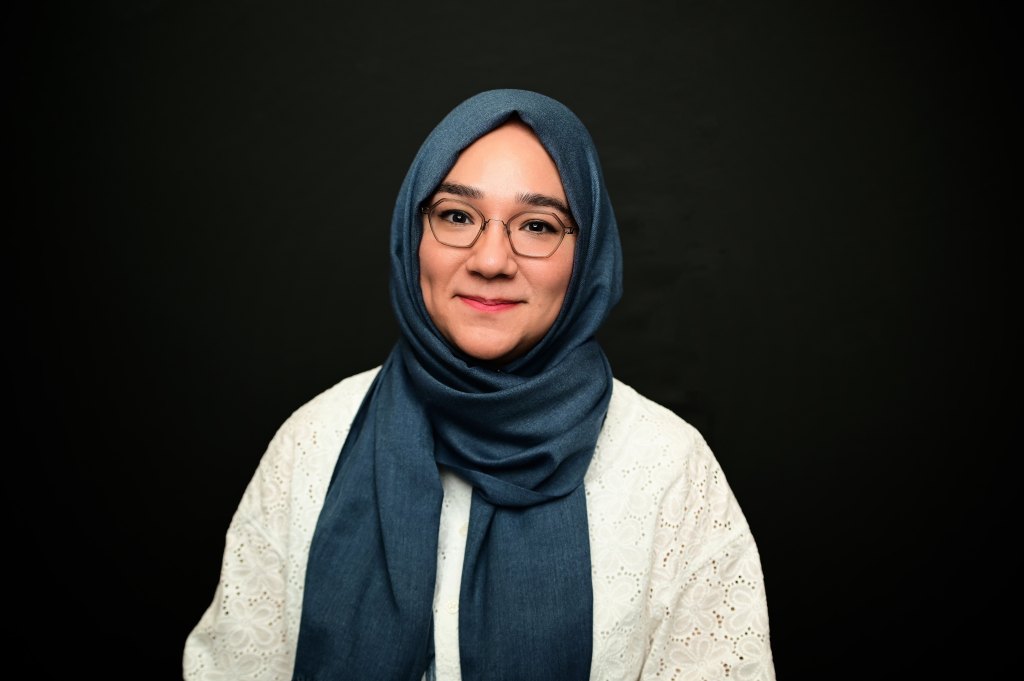
Naznin Musa (she/her)
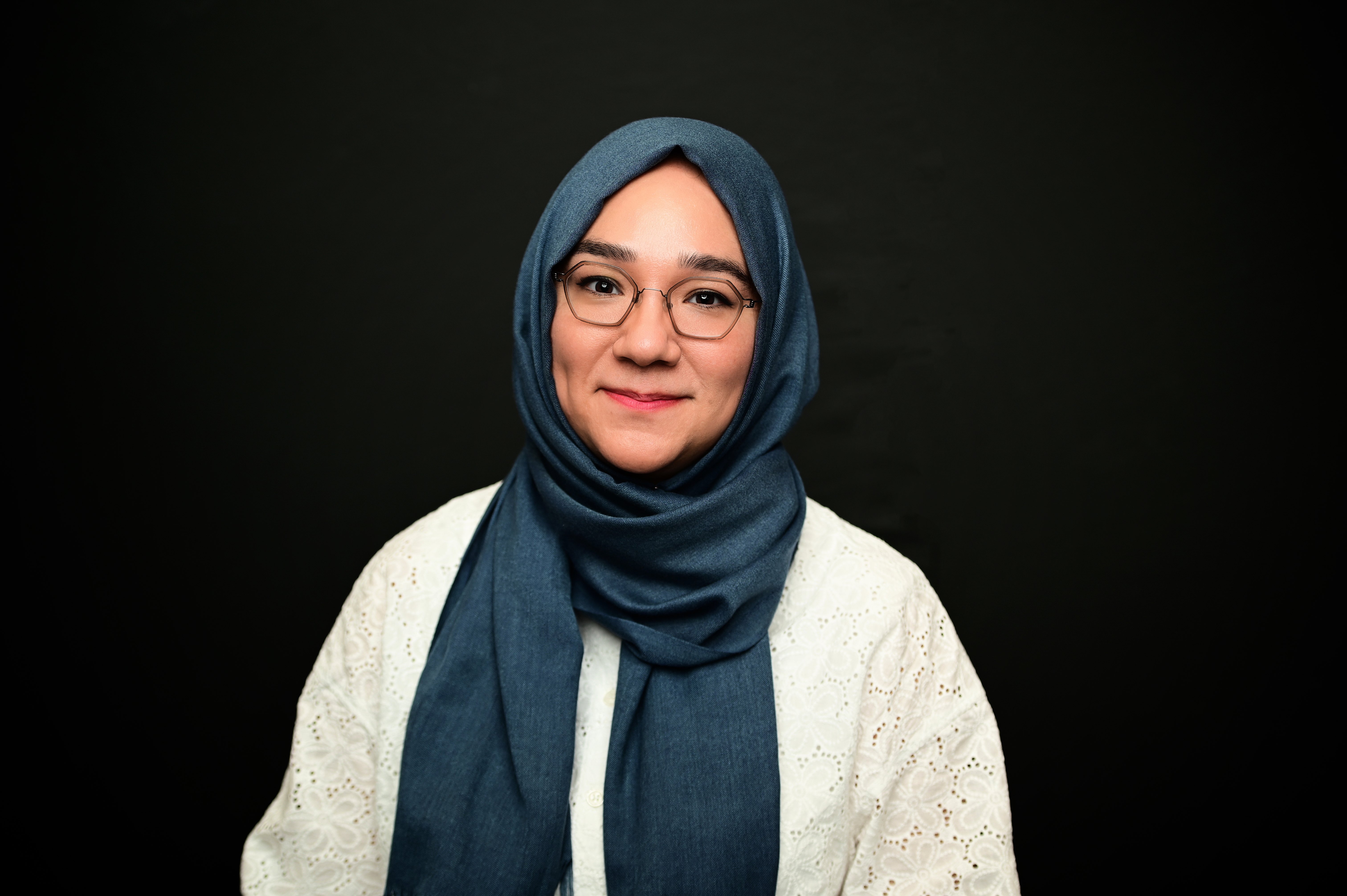
Naznin Musa is an Ed.M. candidate in the Human Development and Education Program at the HarvardGraduate School of Education (HGSE), where she concentrates in Identity, Power, and Justice in Education. As a first-generation, non-traditional student, Naznin is deeply committed to advancing student well-being, access, and equity. Her work focuses on institutional policy reform and the intersectional barriers faced by first-generation students and student informal caregivers. She founded a Platform for Student Informal Caregivers and has contributed to local and national policy initiatives, including DIHOO, an advisory committee of the Dutch Ministry of Education. Her contributions have been recognized with the National ECHO Award (2022), and she received a €10,000 Innovation Fund grant to lead a virtual reality project aimed at reducing academic stress and strengthening student focus. She has also served in governance roles, including supervisory and board positions and on dispute resolution and appeals committees. An entrepreneur from a young age, Naznin has founded and scaled multiple businesses, most recently specializing in B2B human and synthetic hair and Afro beauty products. Originally from the Netherlands, she holds a BSc in Marketing & Commerce and a minor in Online Marketing Communication Strategy from the Amsterdam University of Applied Sciences.
Building Equity for the Invisible and Often Overlooked Student
I didn’t begin my work in education with the intention of launching a “D&I initiative.” I began with a question I couldn’t ignore: What happens to students who are visible in the classroom, but invisible in policy?
They’re enrolled. They attend lectures. They submit assignments. On paper, they’re doing everything they’re supposed to do. Yet they can be one unexpected phone call away from falling behind, because the system wasn’t built for the realities they carry beyond campus.
In the Netherlands, we refer to student informal caregivers as mantelzorgers: students who provide ongoing, unpaid care to an ill family member, distinct from parenting, often while continuing their studies and, in many cases, working as well. They may care for a parent, sibling, grandparent, or even a neighbor. These students are often deeply committed and ambitious, yet among the most vulnerable when there is little recognition, inconsistent support, and no clear pathways to assistance.
During my undergraduate studies, I was navigating higher education as an informal caregiver myself. As a first-generation student, I quickly learned how much of higher education operates on “unwritten rules” and how easily students are misunderstood when the real issue is that the system is unclear, inflexible, or built around a default student experience. The scale of the issue soon became impossible to ignore: in many institutions, roughly one in six students has caregiving responsibilities. That statistic reframed everything. This wasn’t an exception; it was a population hiding in plain sight.
I couldn’t accept that students should have to navigate higher education in private when the barriers were structural. So, I began building a structure where none existed.
From a Student Idea to System Change
When I looked for support for student informal caregivers, I found a familiar pattern: help existed in fragments rather than as a system. Information was scattered, policies inconsistent, and departments handled cases differently. Students often didn’t know what to ask or how until they were already at a breaking point.
I refused to let this remain a problem solved individually. I proposed reframing it as an issue of access, equity, and retention, and Student Affairs invited me to further develop the idea.
While completing my degree, I spoke with students, gathered insights, and identified recurring barriers. I wrote a report with concrete recommendations and worked with advisors and departments to support implementation.
The platform I created, which continues to thrive, focused on three areas: centralized and accessible information; community to reduce isolation and increase visibility; and policy that embeds recognition and flexibility rather than granting it as exceptions.
What mattered most was moving from “we should support these students” to understanding how support actually works, who owns it, where it lives, and how students can access it.
This work contributed to flexible study arrangements and formal recognition for student-caregivers. I also organized workshops, events, and a symposium connecting students, faculty, and staff. These efforts were not symbolic; they helped shift individual experiences into institutional responsibility and created conditions for lasting change.
Making the Issue Visible and Why Intersectionality Matters
It quickly became clear that this wasn’t unique to one institution: student informal caregivers exist everywhere, yet few institutions have clear frameworks to recognize or support them. I began sharing our approach more broadly through workshops and conversations with other universities, because access to support shouldn’t depend on luck or on meeting the “right” person.
This experience also reshaped how I think about equity work. Progress is real and important, but efforts can fragment when we focus on one identity at a time or emphasize belonging without addressing power, policy, and outcomes.
Student informal caregiving shows why intersectionality matters. Caregiving often intersects with first-generation status, disability, financial pressures, bicultural identity, and mental health. When institutions design support as if students face only one barrier at a time, those carrying multiple responsibilities are the easiest to misrepresent in class, but invisible in the system.
Exclusion doesn’t always look like exclusion. Sometimes it appears as low expectations that quietly reshape students’ ambitions instead of redesigning support so they can persist.
National Policy
I joined the National Advisory Committee on Higher Education convened by the Dutch Ministry of Education, Culture and Science to better understand how structural change happens and why some issues remain invisible despite their impact. In this role, I helped bring student informal caregiving to the national agenda and contributed to proposals to reduce structural barriers under the Higher Education and Research Act.
What stayed with me most was seeing the work continue beyond my term. It signaled that the issue was becoming embedded nationally, no longer dependent on individual advocacy, but on shared responsibility.
Across these experiences, I’ve come to understand that my work is ultimately about how systems shape people’s opportunities and how they can better support those who are too often overlooked.
Why HGSE, and What I’m Learning Here
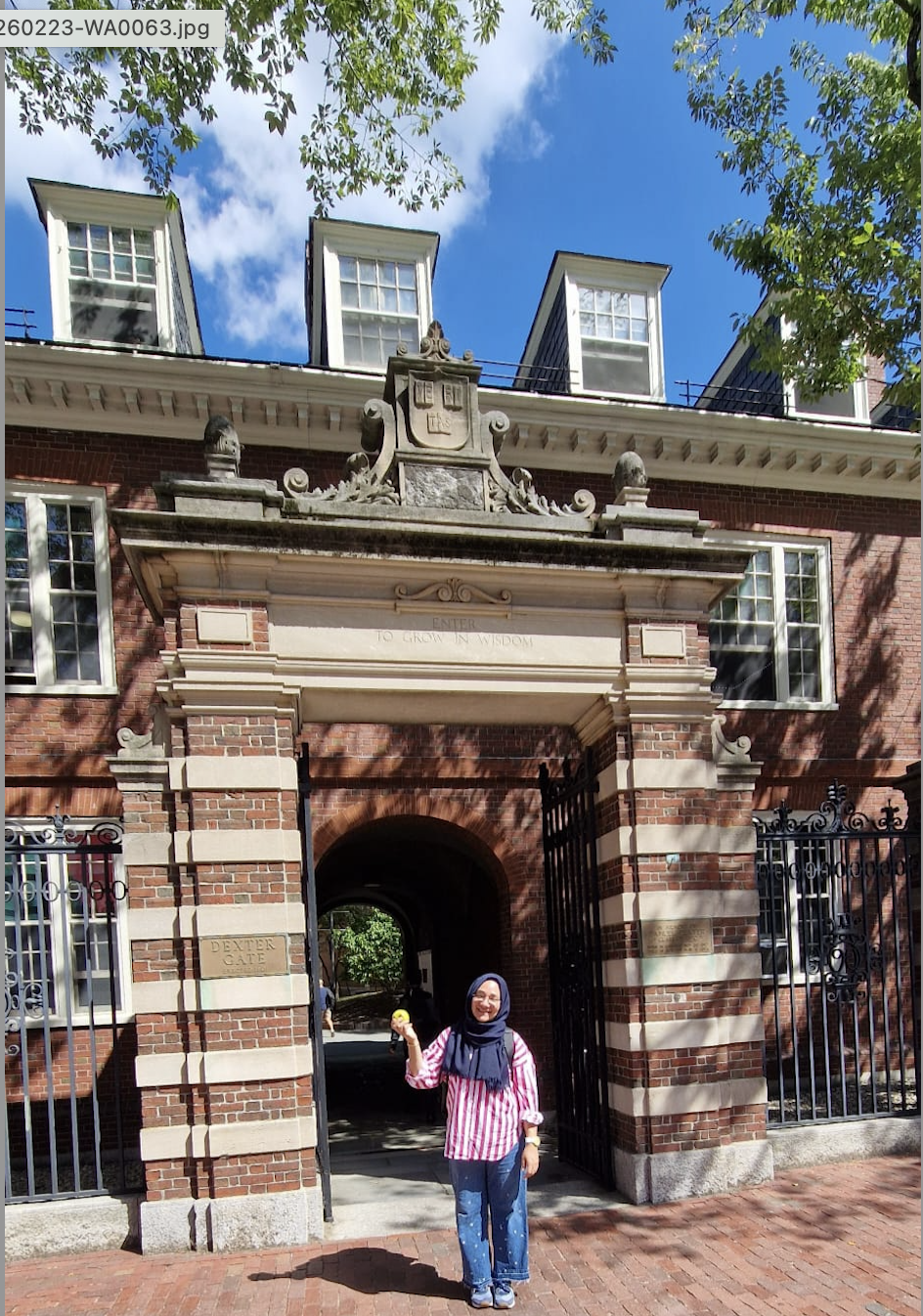
As I enter my final semester at HGSE, what I’ve valued most is the freedom to shape my learning around the questions that first brought me here. I arrived not with a fixed pathway, but with lived experience building change within institutions and a desire to connect that work to theory, evidence, and impact.
Through Human Development and the IPJE concentration, I’ve learned to move across lenses, identity and power, human development, and institutional design, and to translate values into decisions that can be implemented and evaluated.
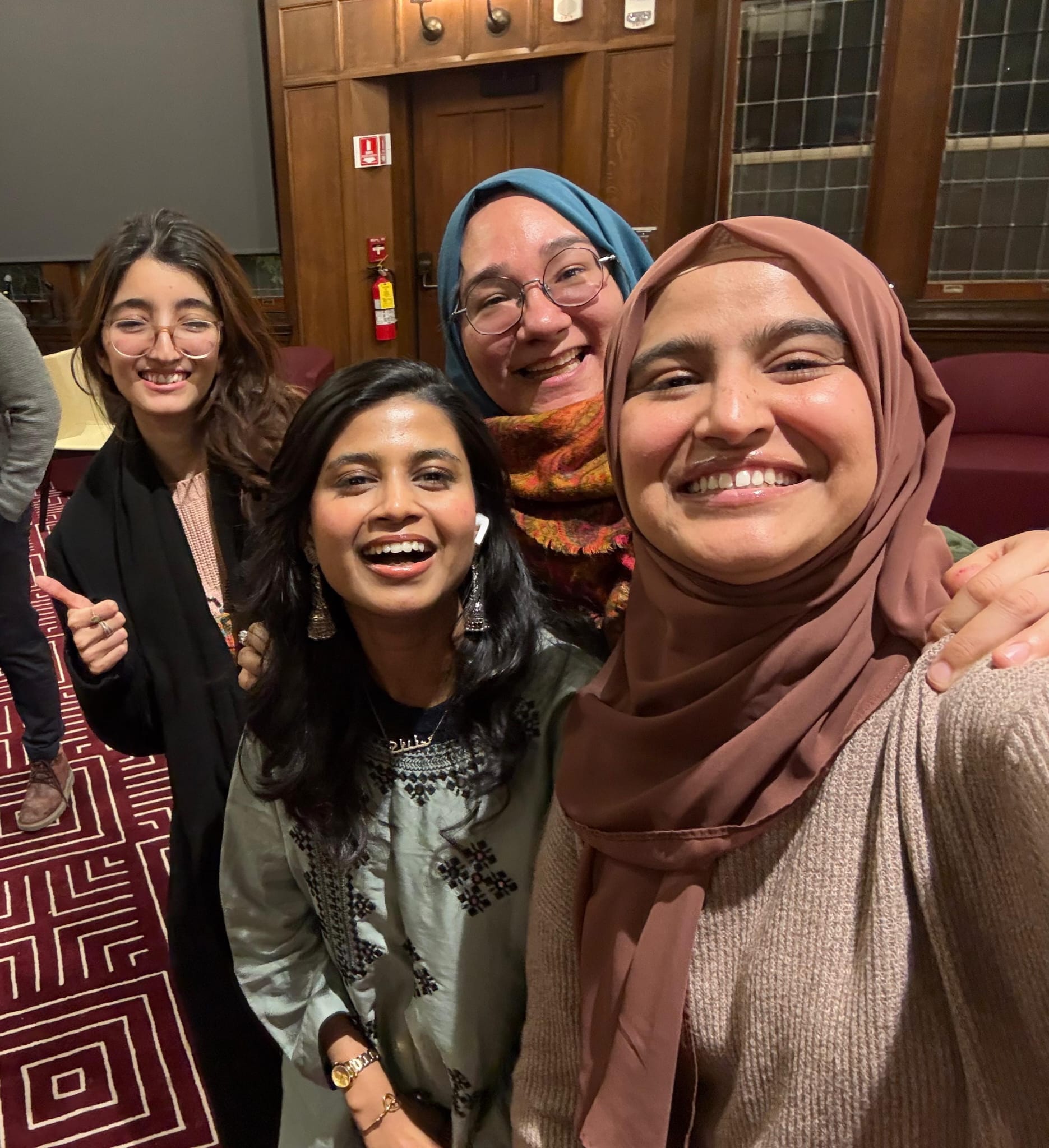
What has made the experience especially meaningful, though, are the people and conversations. Faculty generosity and the IPJE community have created spaces where curiosity is encouraged, and belonging can grow.
What’s Next After HGSE
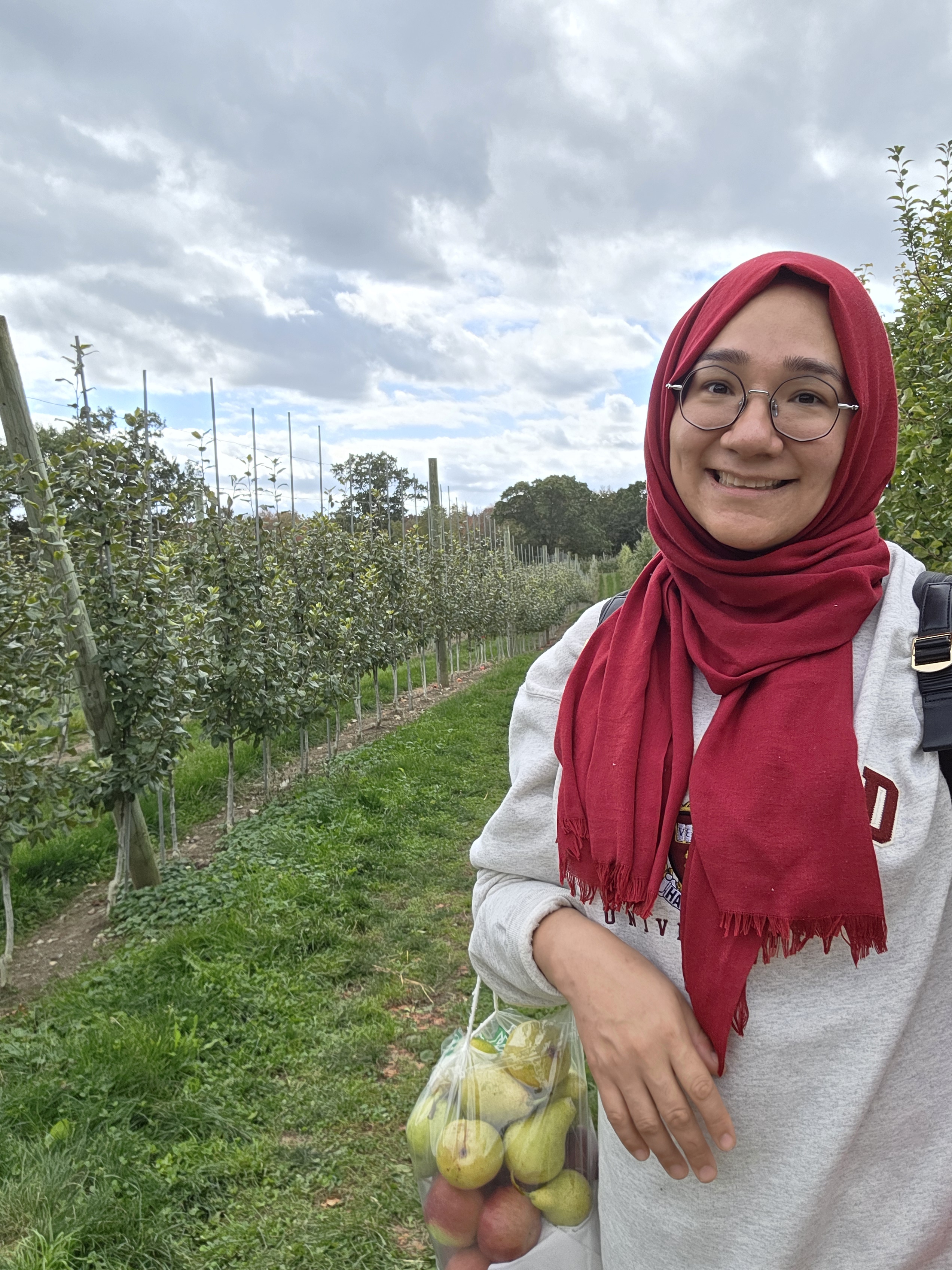
After HGSE, I plan to return to the Netherlands. Alongside caring for my parents, I hope to work in education, ideally as a student counselor who brings empathy and cultural sensitivity to their work, drawing on my own experience of not always feeling heard, seen, or taken seriously, while helping students navigate systems and stay connected to opportunity, even when life is complicated.
At the same time, I’m dedicated to continuing this work at a broader level. I hope to help build a national advocacy organization for student informal caregivers and contribute to advancing their formal recognition within Dutch higher education policy.
For now, my focus is on finishing my degree and continuing to grow into this work with care and intention.
When we design for the invisible student, we don’t lower standards; we remove barriers that never should have been the standard in the first place.
 HGSE Admissions Blog