In this piece, Amy Gonzalez traces her journey from preschool read-alouds to becoming an Ed.M. candidate in the Teaching and Teacher Leadership (TTL) Program at the Harvard Graduate School of Education, showing how nearly two decades in Boston and Cambridge public schools shaped her commitment to literacy as liberation. At HGSE, coursework in literacy development, bilingual education, and design for learning reframed long-standing debates like the “reading wars” and affirmed her belief that no single approach fits all learners. Amy reflects on how TTL has strengthened her ability to bridge research, relationships, and storytelling to influence classrooms and systems alike.
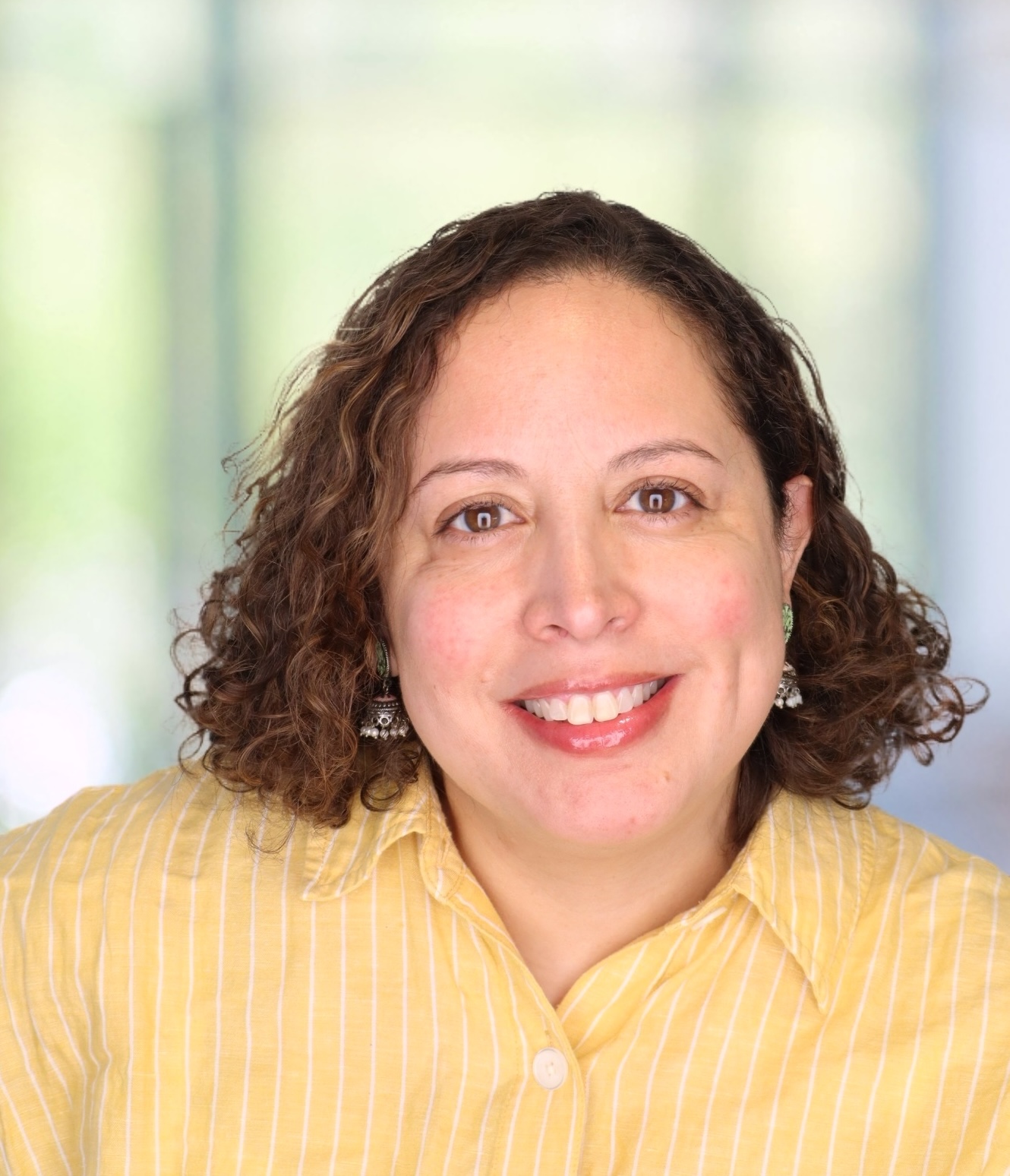
Amy Gonzalez (she/her)
What are some skills or perspectives you brought with you to HGSE?
- 3 years in Boston Public Schools and 14 years in Cambridge Public Schools, teaching 7th-grade English Language Arts
- Board member in the Boston Writing Project
- Long-time member of the National Council for Teachers of English
What were professional, academic, or lived experiences that shaped your interest in education?
My mother showed me that literacy as liberation begins with dismantling the dominant, oppressive narratives one may have about oneself. My mother modeled this in her love for writing in Spanish and English.
Were there any key moments that clarified your desire to work with learners, schools, or systems?
The first time I read aloud to preschool-age children hooked me on teaching. They were so curious and creative. I wanted to give them the best possible experience and was energized by planning creative extensions of our work through crafts and movement. I knew I loved creating learning experiences for young learners from our time together.
Later, I was a chaperone for my friend, who taught a photography class in a public high school in New York City and took her class to a museum. I loved the energy that her high school students brought and their perspectives on the photography exhibits. I decided to study secondary education so that I can work with older learners and engage in critical discussions.
What drew you specifically to HGSE’s Teaching & Teacher Leadership (TTL) Program?
To best meet my students’ needs in an intentional, evidence-based way, I enrolled in the Teaching and Teacher Leadership (non-licensure) program to access current and influential research on literacy development and on how to create a school community built on care.
How is TTL aligned with your values, goals, or vision of teaching/leadership?
As a teacher leader, I want to stay close to the work I do with students and other teachers. This program helps me see how to incorporate innovative, research-based practices in the classroom and across the school so I can see the impact firsthand. The Literacy and Languages Concentration was exactly what I was looking for in terms of being able to think deeply about current literacy issues
What are some questions you hoped the TTL Program would help you answer?
- What are the best literacy practices for teaching multilingual learners?
- What does the research say about the cyclical “reading wars”?
- How can we create loving spaces in our classrooms, especially in a time of so much stress?
What are the courses, experiences, people, or moments that have stood out for you in the TTL Program?
So many! Dr. Pamela Mason’s Literacy Practicum and Literacy Coaching classes have provided me with opportunities to observe and gain experience in different schools in Cambridge, which has been great. Dr. Paolo Uccelli’s Bilingual Learners class is the only class at HGSE focused on bilingual education, and I see it as foundational to anyone interested in teaching multilingual learners. I also loved T550, “Design for Learning,” with Dr. Karen Brennan, who made every class truly a gift. I never knew exactly what to expect each week, but I knew it was going to be hands-on, collaborative, and fun
Shout-out to Dr. Jimmy Kim, who taught Evidence 101 and really set the tone for how transformative being at HGSE can be. He taught with a clear passion for evidence and for our growth as students. My advisor, Dr. Pamela Mason, has been a great source of support, helping me “spread my wings” and experience all that HGSE has to offer. Dr. Gretchen Brion-Miesel gave me advice in the fall about paying attention to what excites me and drains me, which helped guide my reflection throughout my time here. Finally, Dr. Paolo Uccelli provided exactly the research I was looking for around literacy development for all learners, and I will continue to think about her classes long after I graduate.
What are some ways that the TTL Program has challenged or affirmed your thinking?
I am affirmed that there is no “one size fits all” approach to literacy instruction. There is a body of research supporting both phonics and language comprehension, and it does not favor one over the other.
What are some distinctive features of the TTL Program compared to other teacher-prep or education programs?
Since Harvard is a research university, you have access not only to current research but also to professionals who are currently doing the research. The culture at HGSE emphasizes showing up for students and their communities and respecting teaching as a profession. For the non-licensure strand, there are courses where you can still get hands-on experience in a school, and plenty of opportunities to bring in projects you are already working on and to adapt them.
What advice do you have for prospective or incoming TTL students?
Drop in to as many book talks, one-day workshops, or seminars as you can. There are only so many manageable credits you can register for, so this is another way to continue learning. Part of what you are learning here at HGSE is networking, so be willing to say hello to people you are interested in getting to know better. The teaching profession needs creative, thoughtful, kind, passionate, and justice-minded people who love youth. If that’s you, don’t hesitate to apply!
What’s next after for your after graduating from the TTL Program?
I plan to eventually step outside of the classroom and become a literacy coach to influence change more at a systems level. That still means building relationships with both scholars and teachers to understand important things, like what they care about and what their hopes are, and work together to develop and use our literacy skills to advocate for what we value.
How has the TTL Program shaped your understanding of teaching, leadership, or purpose?
The potential for impactful teacher leadership lies not only in seeing stories in data but also in the stories we tell between other teachers, admin, students, and the greater community.
 HGSE Admissions Blog