In this piece, Avida Martinez traces her journey from community college to the Harvard Graduate School of Education, showing how early experiences at a highly supportive community college shaped a lifelong commitment to higher education. Through transferring to UC Santa Barbara, working in transfer support roles, and later serving in higher education positions at UC Berkeley, Avida saw firsthand how institutional structures often marginalize community college and transfer students. At HGSE, coursework and mentorship centered on community colleges as sites of expertise rather than exceptions, reframing her pathway as a source of leadership and insight.
Avida Martinez (she/her)

Enrolling in HGSE’s Ed.M. in Education Leadership, Organization, and Entrepreneurship, with a concentration in Higher Education, has been one of the greatest educational experiences of my life.
My love for higher education started long before HGSE. I was lucky enough to attend a highly resourced community college, Orange Coast College, where I joined the transfer opportunity program and had access to one-on-one counseling and additional drop-in hours. I fell in love with my on-campus work environment, the transfer community, and the faculty who were solely focused on students’ academic experiences. I earned my associate’s degree in economics, but I used to say that if my community college awarded bachelor’s degrees, I would’ve stayed.
After transferring to the University of California, Santa Barbara, I majored in economics. I didn’t see students like me or the thousands of other transfers centered in higher-ed conversations, so, while working part-time at the transfer center during my bachelor’s, I wanted to merge my love for higher education and economics. My work bridged my academic interests and lived experience. I wasn’t just another transfer student trying to survive a competitive major, but someone other transfers trusted with their questions, anxieties, and hopes.
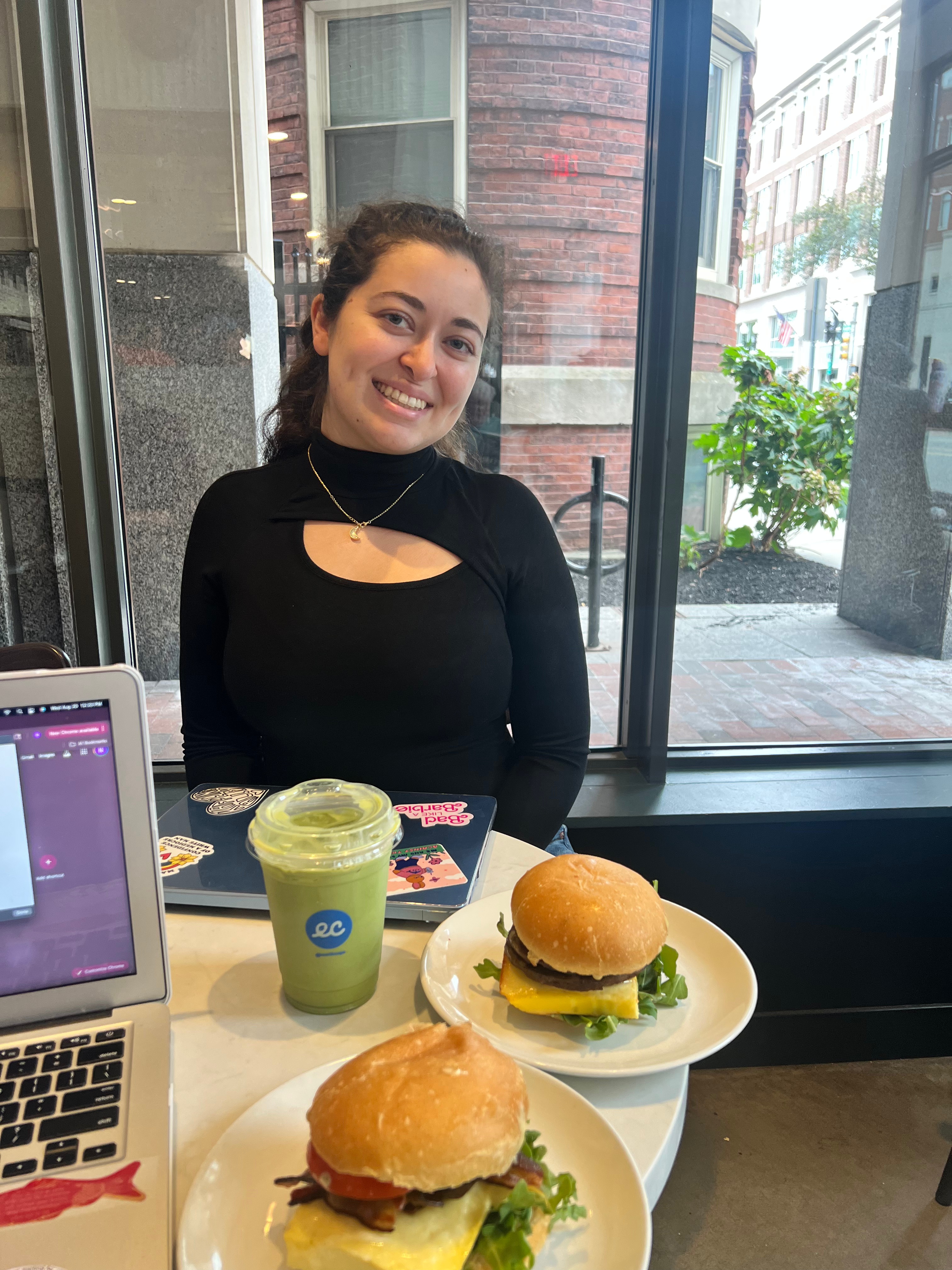
I met with the Economics faculty to discuss how incoming transfer students who wanted to earn a spot in the department could be better supported. These experiences showed me how often pathways are shaped by institutional structures students rarely see, rather than talent and ambition. I left UC Santa Barbara feeling that I could have done more for my transfer community and wanting the tools to do so.
After graduation, I worked for two years at UC Berkeley in various higher education roles, where I saw similar patterns: students navigating complex systems not designed with their realities in mind. As I started seriously considering graduate school, I knew I wanted to be somewhere that would help me connect my personal experience with institutional design and policy. ELOE at HGSE, and specifically the Higher Education concentration, perfectly matched how I wanted the tools to rethink how we organize institutions, lead teams, and build programs centered around students historically treated as an afterthought, rather than studying education in the abstract.
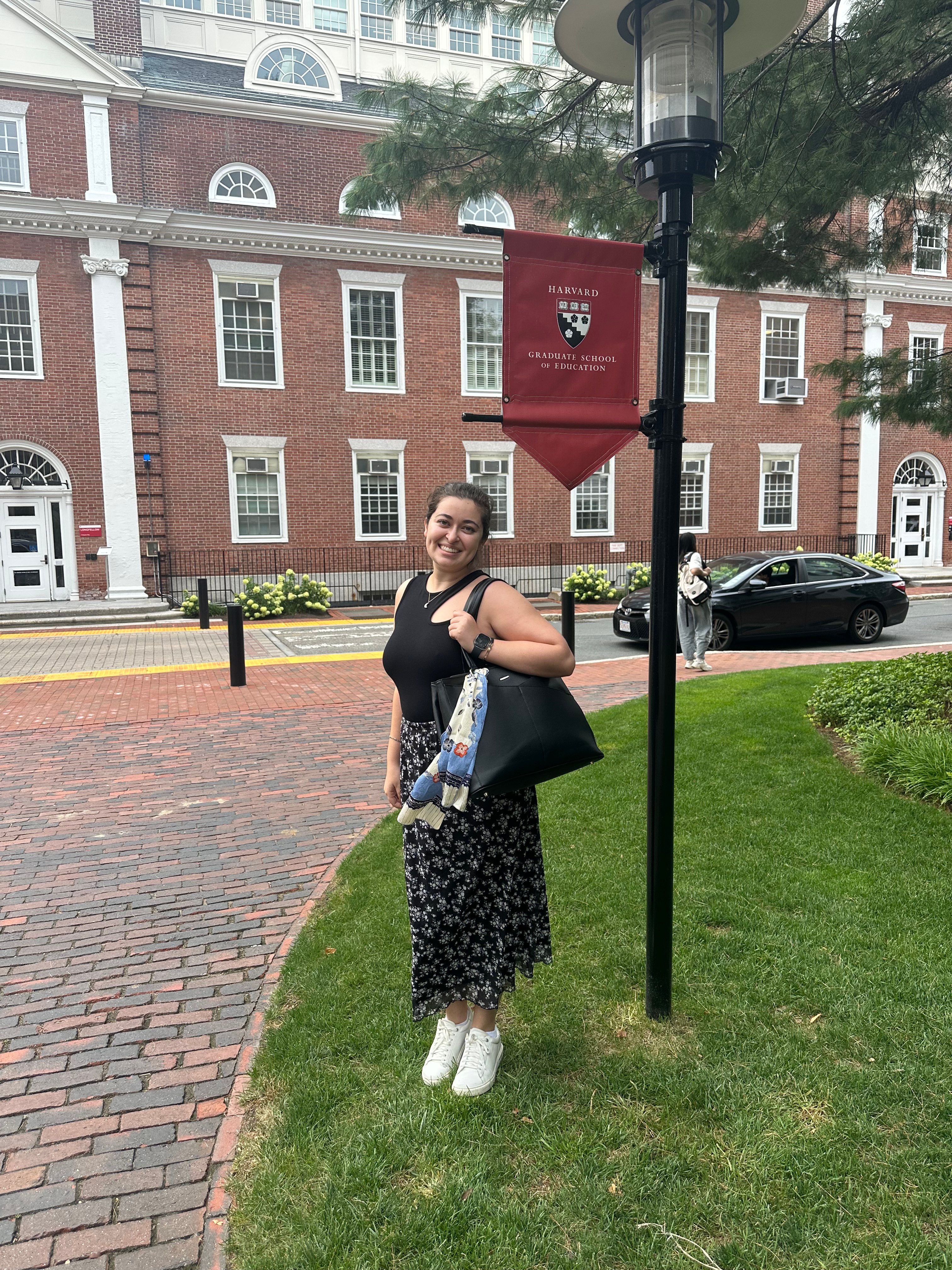
Community college and transfer students, especially those from immigrant, low-income, and racially marginalized backgrounds, are usually discussed as “non-traditional,” if mentioned at all. I came to HGSE to flip that narrative, treating our experiences as a starting point, not an exception.
I came in with a clear sense of what my community college had given me, but I didn’t fully understand how rare that level of support was until I began my coursework at HGSE. My coursework demonstrated how grim transfer outcomes are nationally, and how uneven policy efforts have been in addressing the needs of community college and transfer students. My own positive experience suddenly looked less like the norm and more like a fortunate exception.
When my faculty advisor, Liya Escalera, told me she had created the first HGSE course focused specifically on community colleges, it felt like a turning point. For the first time, I could sit in a classroom where community colleges were not just a footnote in a broader higher education syllabus, but the central focus of our readings, discussions, and projects. We examined questions I had carried with me for years, which, in many ways, gave me the formal academic framework I had been searching for at UCSB.
That course also affirmed that my pathway, from community college to UCSB to HGSE, was not a detour but a source of expertise. When discussing advising models, financial aid, or institutional culture, I can draw directly on my experience as both a student and a staff member in transfer spaces. My background as a half-Mexican, half-Persian daughter of an immigrant from Southern California further shapes how I understand who higher education is built for, and who is still asked to adapt to it. That lens influences how I participate in class, the projects I choose, and the kind of leader I am becoming.
For prospective HGSE applicants, especially those coming from community colleges or navigating transfer pathways, my biggest piece of advice is to treat your story as an asset. You don’t need to smooth out the complexities of your journey to fit some imagined “traditional” narrative. The fact that you have navigated articulation agreements, financial aid forms, work schedules, family responsibilities, and institutional cultures across multiple campuses is evidence of resilience, problem-solving, and leadership.
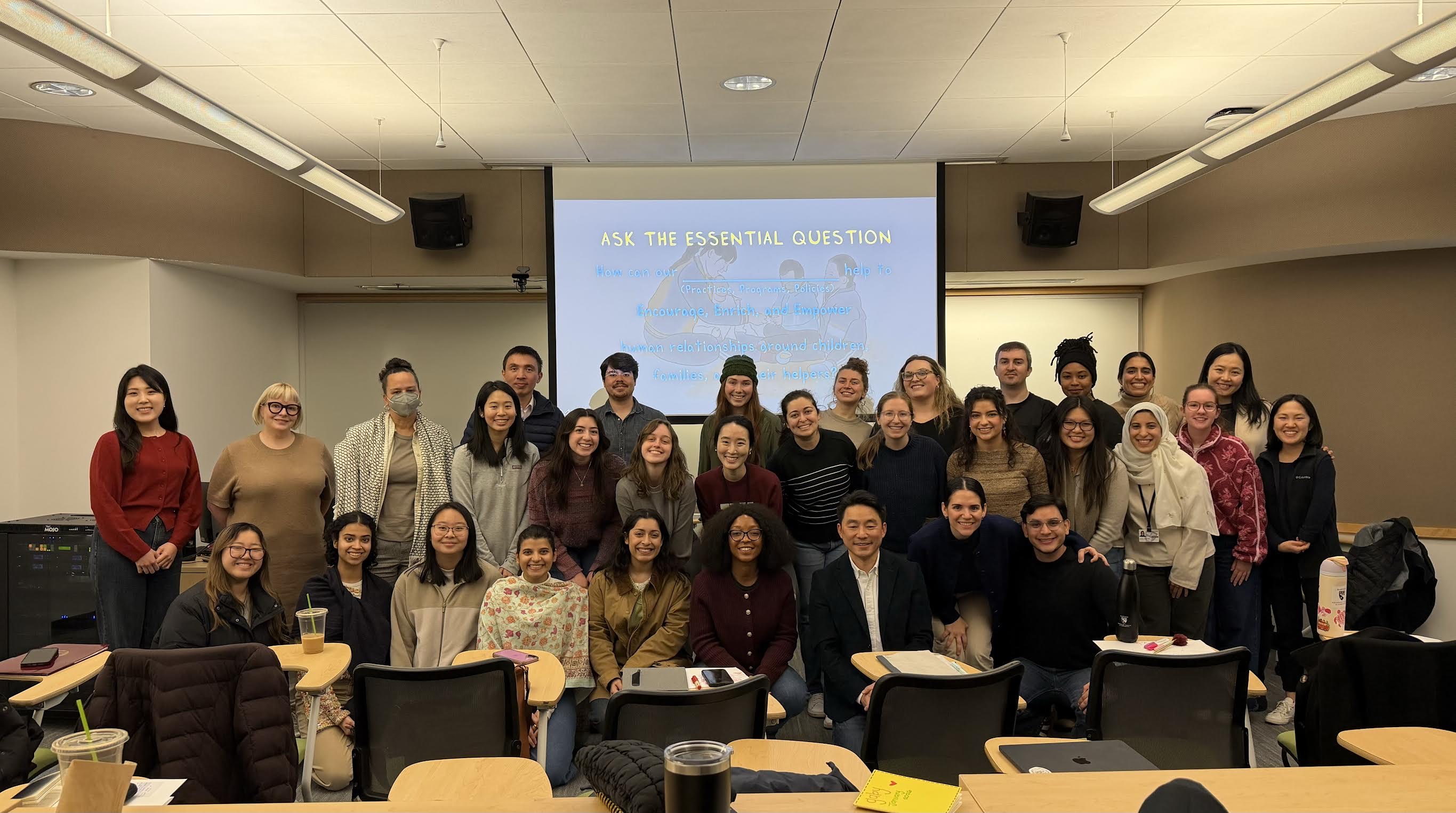
Looking ahead, I hope to work in roles that allow me to shape the systems that define community college and transfer students’ experiences. Whether that’s within a community college or university, in a policy or research space, or through organizations partnering with institutions, I want to focus on expanding access to the kinds of support that changed my own trajectory. HGSE has given me language, frameworks, and a network of like-minded educators to pursue. What began as a personal love for my own community college has grown into a long-term commitment to ensuring that students like me are not only present in higher education but centered in how we imagine its future.

 HGSE Admissions Blog