From São Paulo to San Diego to Boston, members of the Online Education Leadership (OEL) program bring decades of experience across K–12, higher education, global college counseling, equity and belonging work, and the arts. In this post, Anelisa Boer Macedo, Judith Blanco, Dawn Joves, and Ramone Owens share their professional journeys, what led them to OEL, what they value most about the program, and the advice they offer to future students navigating leadership, learning, and impact in education.
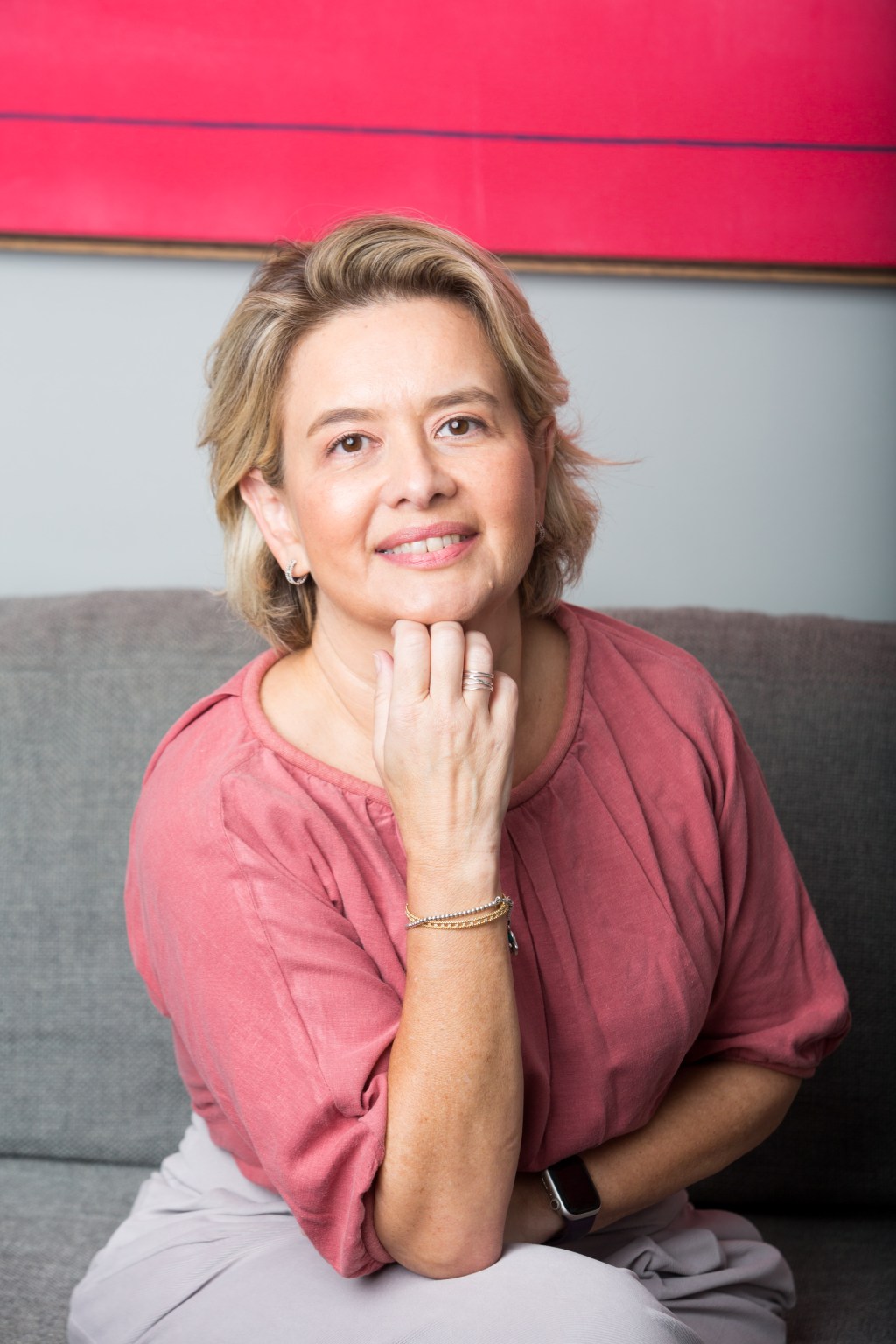
Anelisa Boer Macedo (she/her)
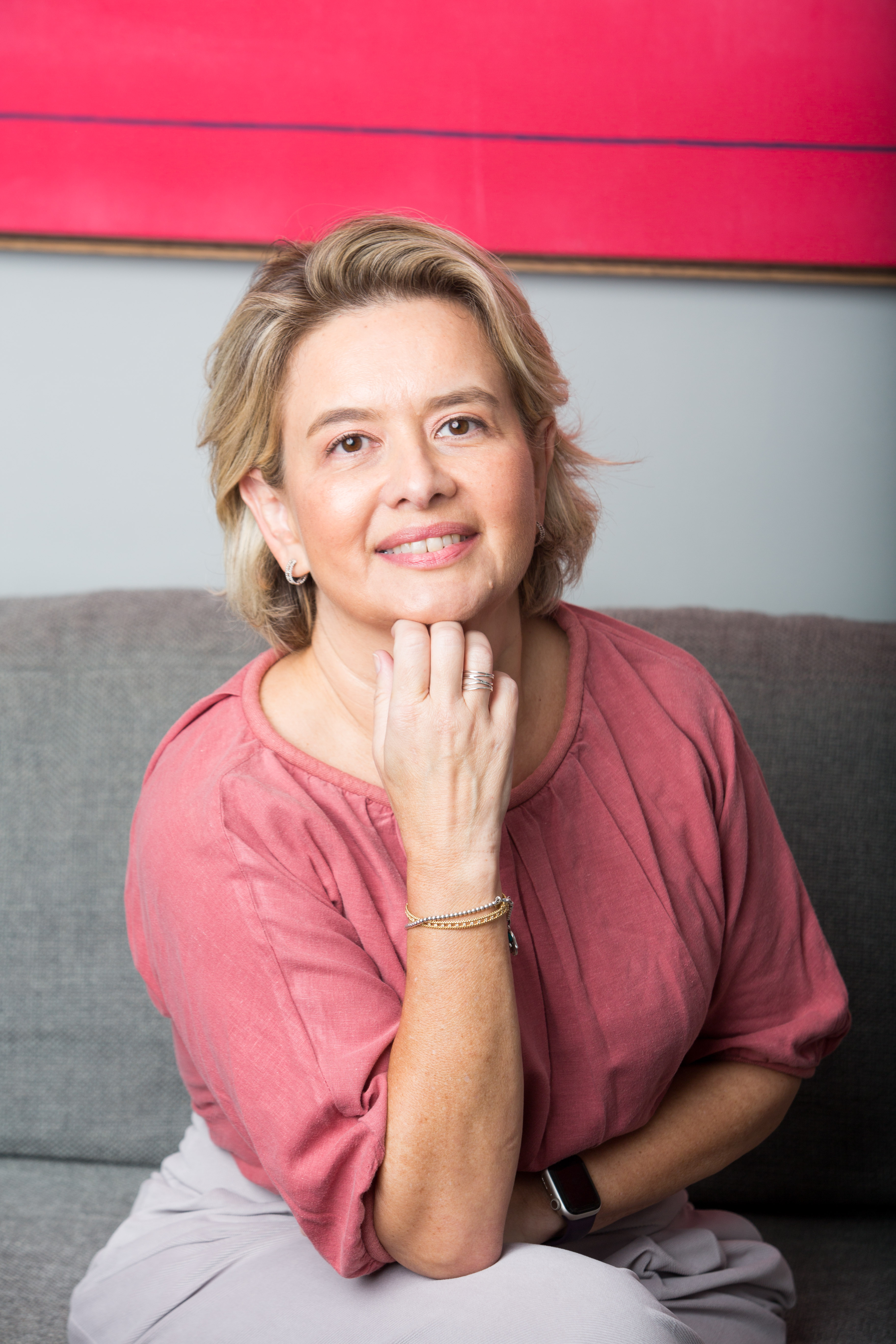
Tell us about yourself!
With more than 30 years of experience in education as an independent tutor, counselor, and advisor, I began my career as an ESL teacher in São Paulo, Brazil. Working with students from international schools or from low-income backgrounds, I have supported youngsters in pursuing excellence in education abroad.
As a mentor for students and educators, one of my concerns is to work in terms of formation and information; students learn not only the language, but also how to introduce themselves and talk about their own backgrounds, highlighting each one’s unique path, stories of autonomy, motivation, commitment, and persistence.
Over these years, under my counseling, students have been admitted – some with scholarships and grants – to Babson, Barnard, Boston University, Dartmouth, Harvard, Johns Hopkins, Northwestern, Notre Dame, Princeton, Stanford, UChicago, USC, Wharton, among others.
As a highly experienced educator, always involved holistically in students’ lives, I am often asked to consult with schools, colleges, and other organizations. Ongoing work includes developing a curriculum that fosters student engagement. “The idea is to challenge traditional approaches to education.” I co-founded Hop On Academy and Institute to provide a hub of solutions for students who want to study outside Brazil.
In recent years, I’ve been able to support students across multiple stages in their educational journeys, from shaping recruitment strategies and reviewing projects as a selector to providing direct counseling as they make critical academic and career decisions.
What led you to the OEL program?
I wanted to be part of an incredible learning community to explore new ideas, challenge assumptions, examine contexts in global and international education to see how other professionals are facing the same problems my country faces, gather solutions, and share ideas in a think tank. I was looking forward to learning from faculty and from each other.
What do you enjoy most about the OEL Program?
Applying what I am learning in real-life situations. For example, I am dealing with a client (the Secretariat of a large State) that needs advice on an important matter. If I can effectively help this client, I will be solving a problem for millions of students right at the beginning of the program. As HGSE’s motto says, “Learn to Change the World.”
What advice would you offer to prospective OEL students?
You will have multiple opportunities to reflect on whether what you are learning is meaningful for the context you belong to, and if so, why not get down to business right away? Come prepared to step out of your comfort zone and grow.
Judith Blanco (she/her)
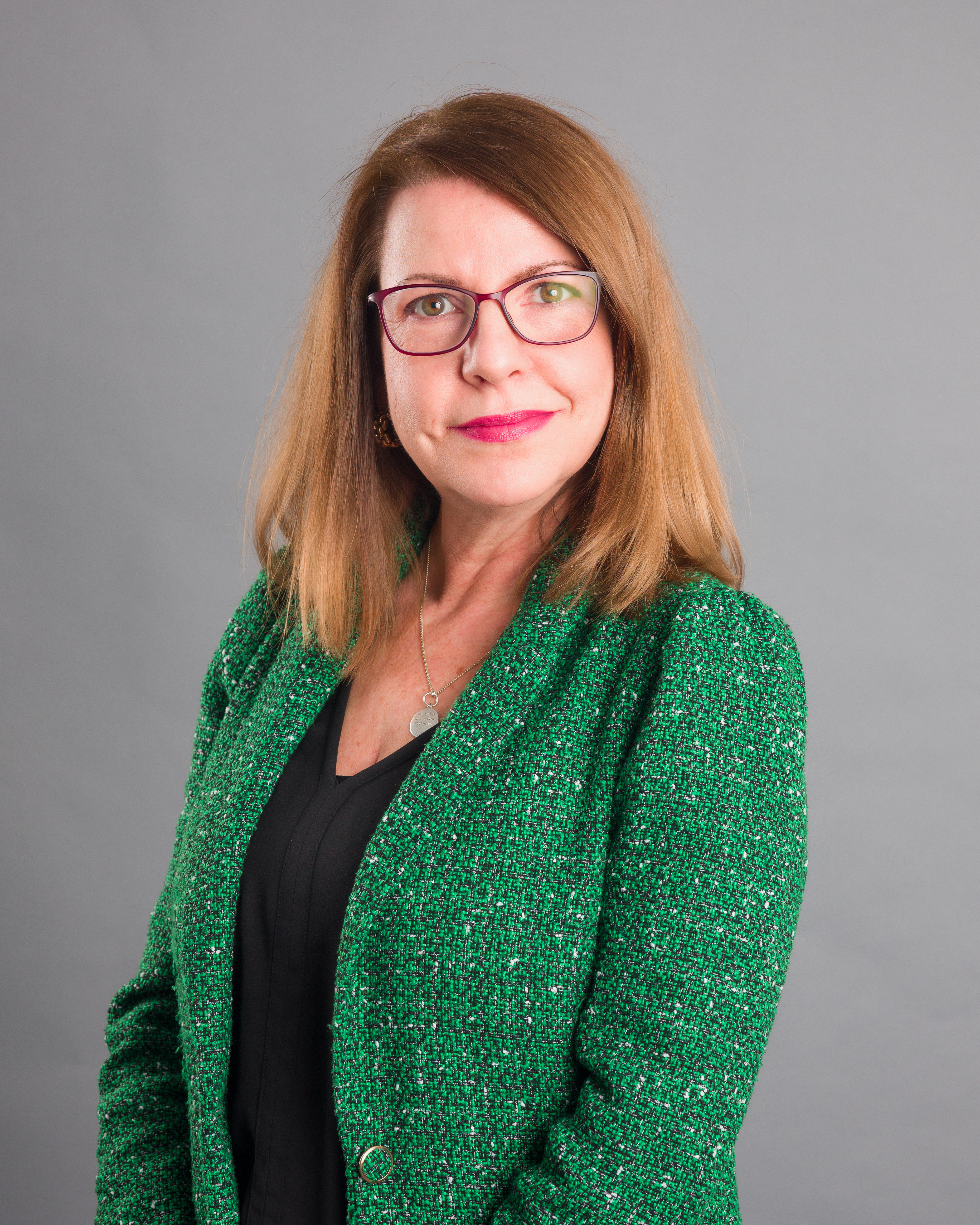
Tell us about yourself!
My name is Judith Blanco, and I am an Ed.M. candidate in the Online Education Leadership (OEL) program. I immigrated to the United States from Argentina when I was six years old, and that experience continues to shape how I lead and why I do this work. Navigating two languages and two cultures as a child taught me what it feels like to step into systems that were not designed for you, an experience many of our students and families share. Today, as Assistant Head of School at East Boston High School (EBHS), I feel at home serving a community with a rich history of immigration and the highest number of foreign-born residents of any other neighborhood in the city.
Before joining OEL, I spent over two decades in Boston Public Schools as a teacher, literacy coach, district instructional coach, and school administrator. After beginning my career at EBHS, I spent ten years in district-level roles supporting instruction across the city before returning in 2013 as Assistant Head of School. My work has centered on building organizational coherence through cycles of continuous improvement, distributed leadership, establishing a professional collaborative culture, curriculum development, teacher-led instructional rounds, Professional Learning Communities (PLCs), and teacher evaluation. Our collective efforts contributed to meaningful improvement, including increasing our graduation rate from 56.1% in 2013 to 86.7% in 2025.
My path to OEL began long before I enrolled. More than a decade ago, Irvin Scott introduced our district to instructional rounds, shifting my understanding of the field. I attended the Rounds Institute at HGSE, where I learned from Richard Elmore, Lee Teitel, Sarah Fiarman, Stefanie Reinhorn, and Liz City, thinkers whose work fundamentally reshaped how I understood teaching and learning. Rounds shifted my attention to the instructional core and from isolated observations to patterns across classrooms. Over four years, I facilitated more than 120 rounds visits across 33 high schools, experiences that taught me the importance of coherence, adult learning, and the deprivatization of practice.
What led you to the OEL program?
As a lifelong learner, I wanted a stronger theoretical foundation to match the skills I had developed as a practitioner. I wanted language, frameworks, and research to help me impact system challenges, see patterns more clearly, and lead with greater confidence. The OEL program finally made that possible. It allowed me to continue serving my school while learning from scholars whose work has shaped the field. I have grown in my confidence as a leader and can now bridge theory and practice to support staff and students. One of the greatest gifts of the program is how quickly you can apply what you learn, and I often find myself using ideas from class the very next day while also applying them to impact the system. OEL has strengthened my confidence as a leader and pushed me to be more reflective, more grounded in my values, and more deliberate in how I support organizational learning.
What do you enjoy most about the OEL Program?
What I enjoy most about OEL is the cohort itself. I learn alongside educators from across the country and around the world. K–12 educators, higher education professionals, and nonprofit leaders. In one Zoom screen, I might be learning alongside leaders from China, the Philippines, New York, and rural districts across the U.S. Their perspectives expand my thinking and ground me in ways I had not expected. The program has deepened my understanding of coherence, equity, and organizational learning, and it has affirmed that it is never too late to keep learning.
What advice would you offer to prospective OEL students?
As Dr. McCarthy will teach you, be brave. You can do this. Know that the professors and program directors want you to succeed. Have a curious spirit and learn from your cohort; they will become your thought partners and support system. Be ready to reflect and develop your confidence as a leader. This program gives you the tools, structures, and community to grow.
Dawn Joves (she/her)
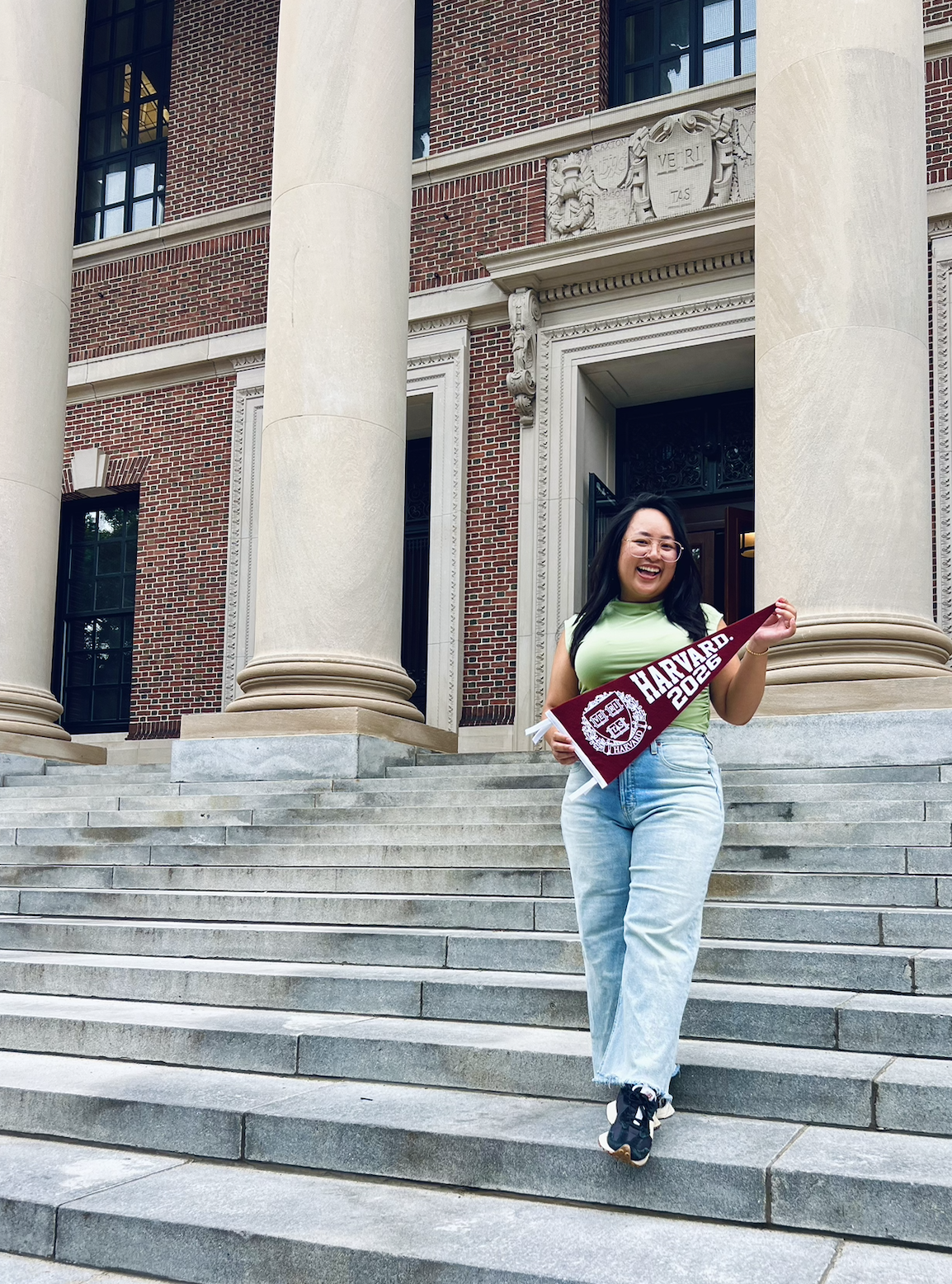
What led you to the OEL program?
I knew I wanted to pursue a Master’s in Education since I was an
undergrad, but I wasn’t sure how I would balance my career and school. I worked in higher education until I was laid off due to budget cuts, and I took that as an opportunity to pursue the next stage of my career. I was accepted to multiple programs on the West Coast, but attending Harvard is a once-in-a-lifetime opportunity. The institutions closest to me are the ones I am considering for future doctoral programs, but I love San Diego, and the ability to get an education from Harvard from home was the biggest factor in my decision, as my entire family is here.
What do you enjoy most about the OEL Program?
I LOVE the way that my cohort has built a strong community. We’re always cheering each other on in our WhatsApp group, we’re each other’s biggest fans, and I never feel alone when navigating work and professional experiences. I also love how whenever we can, we try to see each other in person! From Colombia to Singapore, California to Boston, we stay connected.
What advice would you offer to prospective OEL students?
This program can change you in really foundational ways beyond your
professional lives. So many of my classmates have impacted the way I view the world, and it’s extremely refreshing. Be ready for that.
Ramone Owens (he/him)
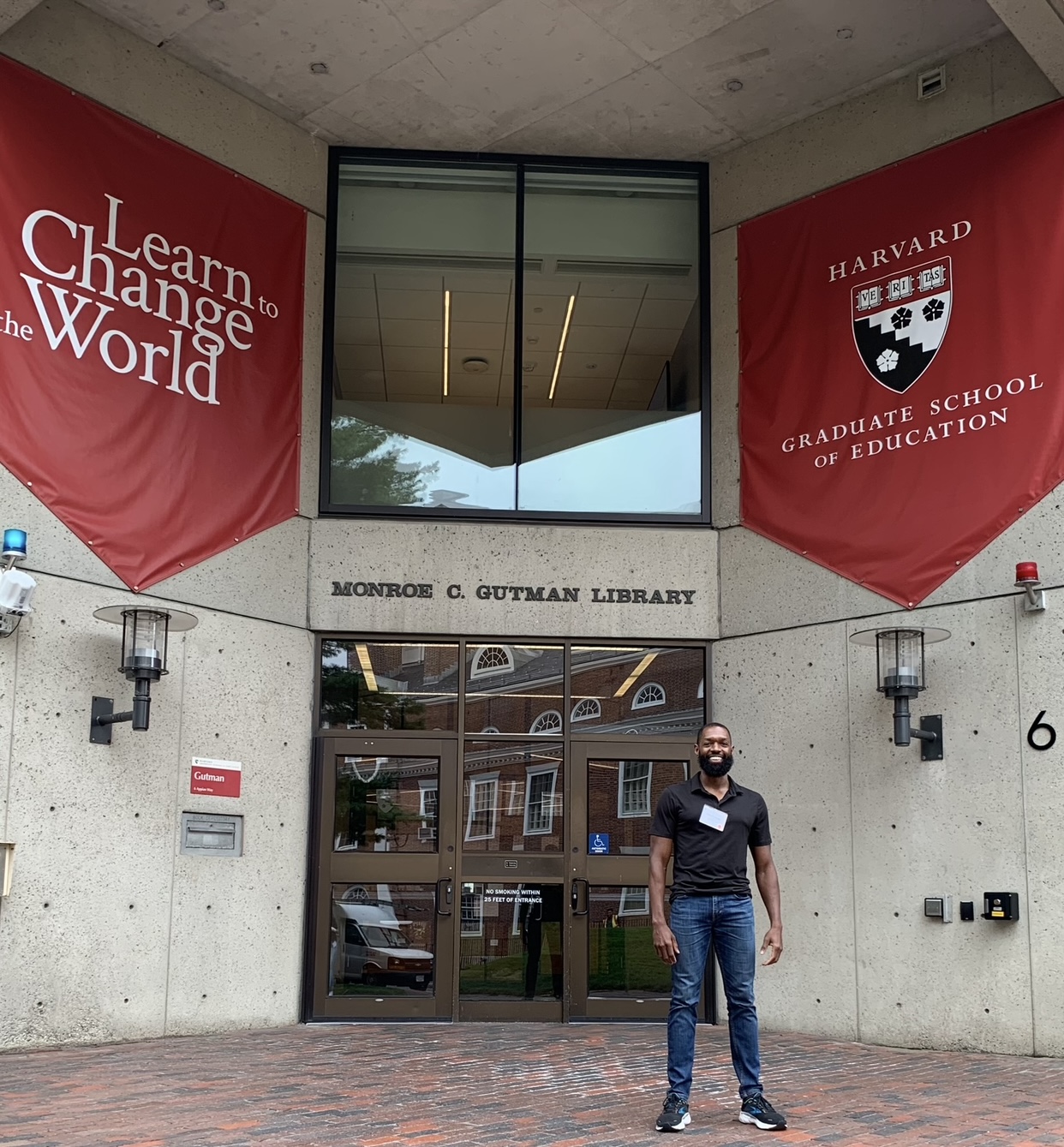
Tell us about yourself!
I am Ramone Owens, originally from Los Angeles, California. My life in the performing arts began early and eventually led me to the Boston Conservatory, where I earned my BFA in musical theater. After graduating, I spent 12 years as a professional performer—appearing in 2 Broadway shows, touring nationally, working Off-Broadway, and even performing at the Tony Awards, which remains a personal highlight. When the pandemic shut down Broadway, I took an unexpected but meaningful pivot into teaching. What started as virtual instruction quickly revealed a level of autonomy and impact I hadn’t experienced as a performer, and that shift opened the door to a full-time faculty position at the Boston Conservatory at Berklee, where I work today.
What led you to the OEL program?
Stepping into higher education, I found myself naturally drawn to leadership, taking on committee roles and contributing to curricular and institutional conversations. Returning to an academic environment with fresh industry experience gave me a strong, grounded voice—but it also made me realize that if I wanted to continue growing in this field, I needed to understand the structures that sustain, govern, and evolve higher education. I wanted to learn how institutions work, how leaders make decisions, and how to harness my own leadership with intention and clarity. That desire led me to HGSE’s OEL program.
What do you enjoy most about the OEL Program?
What I love most about OEL is the community. My cohort—and the cohorts above and below mine—are filled with some of the most inspiring, supportive, and hard-working people I’ve ever met. We come from countless professional backgrounds, yet all our experiences converge around a shared commitment to making the world better through education. The richness of our conversations, the depth of our questions, and the courage with which people show up have expanded my understanding of what leadership can look like. Being surrounded by people who care deeply about students, equity, and the future of learning has been one of the greatest gifts of this program.
What advice would you offer to prospective OEL students?
My advice to prospective students is simple: apply. There is so much waiting for you on the other side of that yes. Imposter syndrome may show up—it certainly did for me—but if you lead with curiosity, you will receive more than you can imagine. I discovered not only how much I had to learn, but also how much I had to offer. Saying yes to the quiet voice telling me to apply to Harvard has been one of the most transformative decisions of my life. I am grateful to the OEL faculty and staff, grateful for my brilliant cohort, and grateful that I listened to the nudge that said, “go for it.”
 HGSE Admissions Blog