With application season underway, we asked Rashana Weerasinghe, Shutong Liu, Abeeha Tahir, Zora Chiang, Nurilly Rania, and Lydia Yinxuan Gu from the 2025–2026 LDIT cohort to reflect on their paths to HGSE and share how their experiences, spanning from AI product development to global edtech equity, shape their visions for building transformative, inclusive, and human-centered learning in an evolving technological world.
Rashana Weerasinghe (she/her)

Rashana Weerasinghe is an Ed.M Candidate in the Learning Design, Innovation and Technology Program at Harvard Graduate School of Education. She is a Technologist, Educator, and Storyteller; fashioned from experiences spanning a number of industries, technologies, and growth stages – EdTech to E-Commerce, Autonomous Vehicles to Virtual Reality Headsets, and early to maturity growth stages. This tenure equips her with a deep-rooted focus on the human experience: be it customers, or students. Across her professional and academic domains, Rashana’s work remains rooted in applying the altruism of technology, and the spirit of entrepreneurship to empower communities.
Greetings! My name is Rashana Weerasinghe, and I am a Master’s candidate in Learning Design, Innovation, and Technology (LDIT). I am a Sri Lankan American raised on the East Coast.
Prior to pursuing graduate school, I spent over three years working in technology – holding roles across Amazon Robotics, Tesla, NBCUniversal, and Warner Bros. Discovery. Most recently, I worked as a Program Manager II at Amazon leading initiatives to reinvent our product flywheel In parallel, I served part-time as an Adjunct Faculty Instructor at my alma mater, teaching over 60 first-year college students.
Straddling roles between technology and education revealed a powerful duality: technology is fast-paced while academia moves at a more deliberate rhythm. Recognizing this contrast sparked my interest in understanding the intersection of where education and technology meet. This tension, and the possibility within it, drew me to the LDIT program.
What I enjoy the most about the LDIT pathway is the interdisciplinary nature of the program. LDIT encourages both breadth and depth – inviting us to experiment, ask better questions, and approach learning design not just as a technical or pedagogical challenge, but as a human one.
I’ll offer my advice for prospective LDIT students in the form of three reflections:
1. First, come with a question, not an answer. LDIT is built for explorers and is an established playground to test different hypotheses you may have.
2. Second, connect with your community. Your colleagues are your coconspirators and thought partners. They will challenge your assumptions, expand your thinking, and inspire you to see new possibilities. Lean into this community.
3. Finally, embrace evolution. LDIT has a way of revealing new contours, opportunities, and ambitions that may differ from your initial intentions upon starting the program. Embrace the permission and space you have to evolve and redefine your career.
Shutong Liu (she/her)
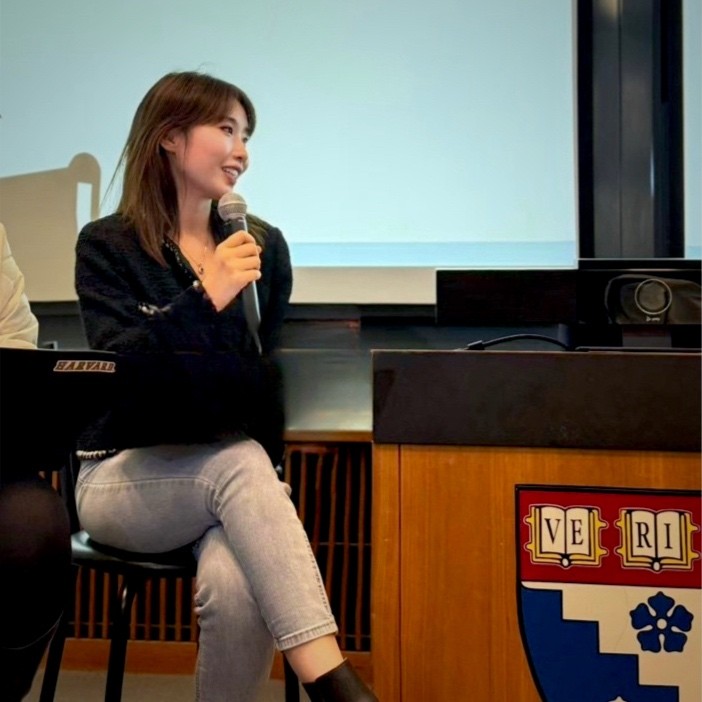
I am an AI Project Manager at a global technology company, where I lead AI product development, internal AI chatbot customization, workforce training, and data-centralization initiatives. In this role, I design systematic pathways for AI adoption and deliver AI training for more than 300 employees to enhance workforce efficiency and support meaningful, practical use of AI in daily work. A major part of my work involves turning abstract AI concepts and tools into practical, step-by-step solutions that people can use, building alignment among leadership, and guiding AI transformation throughout the organization.
My approach is deeply inspired by the AI chatbot project I first encountered in HGSE’s Foundation course, How People Learn, which sparked my interest in building AI tools that support learning, collaboration, and productivity at scale. When I stepped into this role last year, the field was still relatively unexplored within my organization, even with the background research, interviews, and outreach I conducted through Harvard and MIT. As new AI-related roles have emerged across the company, my commitment has only grown stronger, motivating me to design systematic, sustainable pathways that help large organizations adopt AI with clarity, confidence, and responsibility.
I strongly believe in the power of project-based learning and the ability to turn ambiguous challenges into actionable steps, an approach that HGSE consistently emphasizes. My HGSE experience has shaped my thinking about how people learn, how systems change, and how technology can be introduced in ways that truly empower rather than overwhelm employees and educators. HGSE courses such as How People Learn, Learning Lab, and Training & Learning taught by Professor Wisser have deepened my understanding of cognitive scaffolding, learner-centered design, and iterative prototyping. These ideas directly influence how I lead AI initiatives today: grounding innovation in human needs, making solutions accessible regardless of technical background, and creating the conditions for continuous learning, curiosity, and long-term organizational transformation.
I am passionate about sharing what I learn and driving successful AI adoption in organizations of all sizes to empower employees at every level. I am also exploring how teams should be structured in the AI era, and how organizations can commit to sustainable improvement, responsible AI use, and thoughtful change management, a topic I have been studying closely in my coursework with Professor Wilson.
Abeeha Tahir (she/her)

Stepping into the Harvard Graduate School of Education, I felt an overwhelming sense of awe and if I am being honest, I had lingering traces of imposter syndrome that I thought would fade after a few months. They haven’t entirely disappeared yet, but my belief in the power of taking that first step in the face of uncertainty has become stronger. This is one of the many lessons I have learnt from my journey to Harvard.
My journey to LDIT wasn’t straightforward. Originally from Lahore, Pakistan, I grew up surrounded by the cultures of Pakistan. I began my academic journey in pre-engineering, which nurtured my problem-solving skills and analytical thinking. Soon after, I pivoted to visual communication design that taught me the art of observation and the impact of storytelling. I than transitioned into human resource management through my MBA which immersed me in the complexities of leadership and organizational dynamics. It transformed my understanding of how purposeful learning can empower individuals and ignite meaningful change within communities.
Before coming to HGSE, I worked at the Lahore University of Management Sciences (LUMS), where I managed executive programs and later focused on branding, content design, and digital storytelling. These experiences allowed me to witness the power of learning not just as a formal process but as a journey of growth, reflection, and community-building. After working for the past few years, returning to the classroom after six years has been a humbling experience. The pace, the volume of readings, the diversity in thought and background it is exhilarating and challenging at the same time. What has anchored me most in the LDIT program is its commitment to making learning transformative, inclusive, and actionable. Courses like “Impact by Design” have challenged me to ground my creativity in evidence and taught me how to measure and communicate the real effects of my learning designs. Additionally, the course “Learning Design for All” has equipped me to create inclusive and accessible experiences for diverse learners. My group project focuses on leveraging Universal Design Learning (UDL) principles and building an AI assessment tool to empower teachers. Through the course on “Vibe Coding,” I am bringing these ideas to life, translating vision into tangible and practical solutions.
Beyond the classroom, Harvard’s cross-registration opportunities have enabled me to explore leadership and storytelling in new ways. This semester, I enrolled in the Kennedy School’s “Public Narrative” course, which has helped me understand how to enable agency in others by sharing authentic stories and mobilizing communities toward action. It has been a powerful reminder that leadership is not just about having a vision, but about empowering others to act on their own dreams and aspirations.
Recently, I also had the chance to participate in the AI-Powered Women Conference at MIT. It was a learning experience filled with inspiring interactions with AI industry leaders and illuminating conversations about the future of technology and education. These moments of exposure and exploration are what make this journey truly transformative.
The best part of LDIT without a doubt, it’s the community. This year’s cohort is 68% international body. Every conversation has offered a glimpse into another world, with each student bringing their own story and expertise. These conversations remind me of how privileged to be here and how that privilege gives us a responsibility to empower others just as someone once empowered us.
If you are thinking about applying, let this be your reminder that there is a place for you here. I was encouraged to take the first step because someone believed in me and I am deeply grateful to the people who supported my journey. Now, it is my turn to be that source of encouragement for you. If I can do it, you can too. All it takes is one step and willingness to embrace your curiosity and nurture your growth mindset. Don’t be afraid of uncertainty, lean on those who believe in your potential to be your source of courage. Believe me, this journey is worth it.
Zora Chiang (she/her)
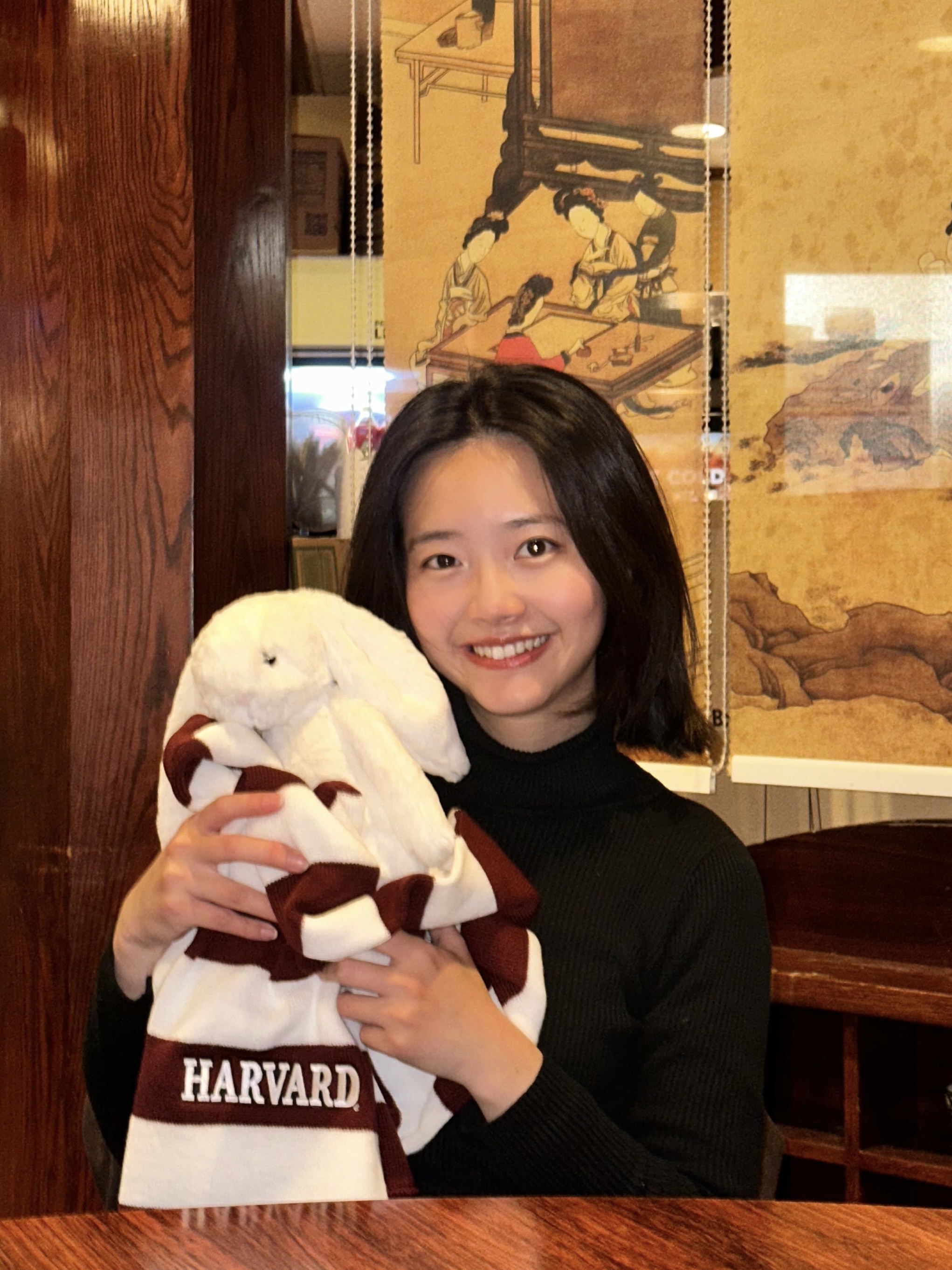
On the first day of Curiosity in Learning and Development, a class I was auditing at HGSE, I noticed a small Play-Doh sitting on every desk. While some of my classmates immediately started playing with it, my initial reaction was hesitation. My question wasn’t “What can I build?” but rather “Am I supposed to touch this?”
When the instructors revealed that each Play-Doh contained a small piece of paper and invited us to reflect on whether we had discovered it, I realized how deeply my cultural and educational background had inadvertently minimized my agency to explore and challenge boundaries. That moment reshaped how I think about learning—it reminded me that culture, interactions, and implicit expectations profoundly shape how children engage with the world.
My passion for learning experience design and the parent-child relationship is rooted in meaningful discussion. My student once told me that he thinks poor people are incapable and do not work hard, so their children do not deserve the same educational opportunities. His words weren’t malicious, but reflected the deep societal neglect of structural barriers that perpetuate educational inequity in Taiwan. That moment reinforced a truth that drives my work: while talent is universal, access to opportunity is not. This commitment ultimately shaped my professional focus on empowering marginalized learners, and coming to HGSE through the LDIT program has expanded my perspective even further.
What I love most about LDIT is the people; every interaction with faculty, staff, and especially my peers, is incredibly inspiring. My classmates bring expertise from computer science, design, psychology, and teaching, and every conversation opens a new window into the intersection of learning and technology. The program encourages experimentation—building messy first drafts, questioning assumptions, and learning through iteration. LDIT provides the ideal environment to rigorously integrate my commitment to equity with advanced technological innovation. It is the ideal environment to integrate commitment with cutting-edge technological innovation.
My piece of advice for prospective students is to be brave, dream big, and apply even if you doubt yourself. As the first person in my family to study abroad, none of us ever imagined I would receive an admission letter from Harvard. I even joked that applying felt like entering the lottery. However, the true value of the application process is not just the outcome; it is the act of professionally asserting your worth and the potential of your vision. Whether you come from a traditional background or a less conventional path, HGSE is a place that invites you to explore, imagine, and design for impact. Take the initiative, and remember: Don’t let self-doubt hold you back!
Nurilly Rania (she/her)
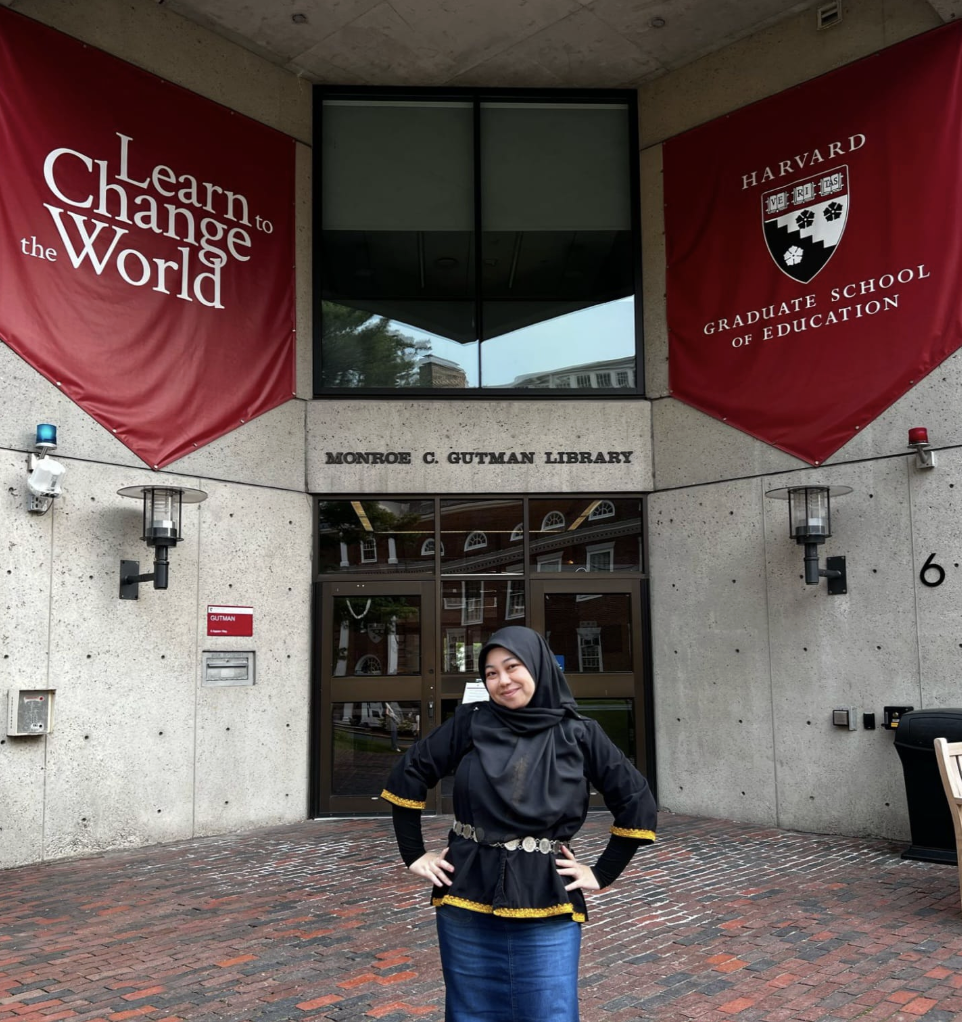
Coming from the poorest state in Malaysia, I am passionate about designing offline-accessible and low-tech learning tools for underserved and low-connectivity communities. I experienced firsthand how unreliable networks, frequent power cuts, geographical isolation and political discrimination can cut students off from educational opportunities. These realities shaped my early interest in educational technology, and I began participating in multiple hackathons, case studies and innovation competitions, even winning some!
Over time, I realised that technology alone cannot solve deeper structural barriers. Working with marginalized students taught me that equitable education also requires advocacy and participation in decision-making. This brought me into regional diplomacy, where I represented ASEAN youth at the 2nd Consultative Meeting of the Young Parliamentarians of AIPA and later presented for South East and East Asia region at the #ReshapeEurope conference in Germany.
I knew I wanted to pursue an Ed.M program so that I could contribute more effectively to the Malaysian education sector. My primary interest remains EdTech, but I am also drawn to education policy and to the role of intercultural dialogue in migration contexts, something I learned through my work with stateless students. For me, HGSE is truly the right environment to deepen this work. I enjoy the flexibility of the curriculum and the opportunity to cross-register between schools, allowing me to build an interdisciplinary set of knowledge and skills.
LDIT provides a meaningful balance between technical learning and the learning sciences. I enjoy how interconnected the readings are and how each assignment encourages me to design prototypes with careful attention to equity. The networking prospects are incredible, with renowned faculty members around you (literally, walking textbooks like Howard Gardner, the founder of Multiple Intelligences, to name a few) as well as international peers who bring perspectives from all over the world.
Since I am interested in policy too, I appreciate HGSE’s concentration system. I am active in the GICE community and serve on the Student Advisory Council, and it was meaningful to work with Prof. Fernando Reimers after writing about him in my personal statement. I am also learning about Intercultural Dialogue through Project Zero’s Let’s Talk with UNESCO. HGSE makes it possible for me to pursue my interests in edtech, policy, and intercultural dialogue, all at the same time.
My advice to prospective HGSE applicants is to begin early, ask questions and reach out to current students or alumni. You can reach out to me as well. I would be happy to help. I had never studied abroad before, and I understand how overwhelming applications can feel, especially for first-generation students or those coming from low to middle income backgrounds.
HGSE-LDIT is just an abundance of opportunities. In only four months, I represented HGSE at the GAC Breakfast with Students, received acceptance to the 2025 MIT Policy Hackathon and the CIES 2026 conference, and working on assistive technology for students in Merida, Mexico, through a collaboration with Perkins School for the Blind and MIT D-Lab.
If you are passionate to “Learn to Change the World”, HGSE is the place to be – where your ideas are supported, refined and expanded.
Lydia Yinxuan Gu (she/her)
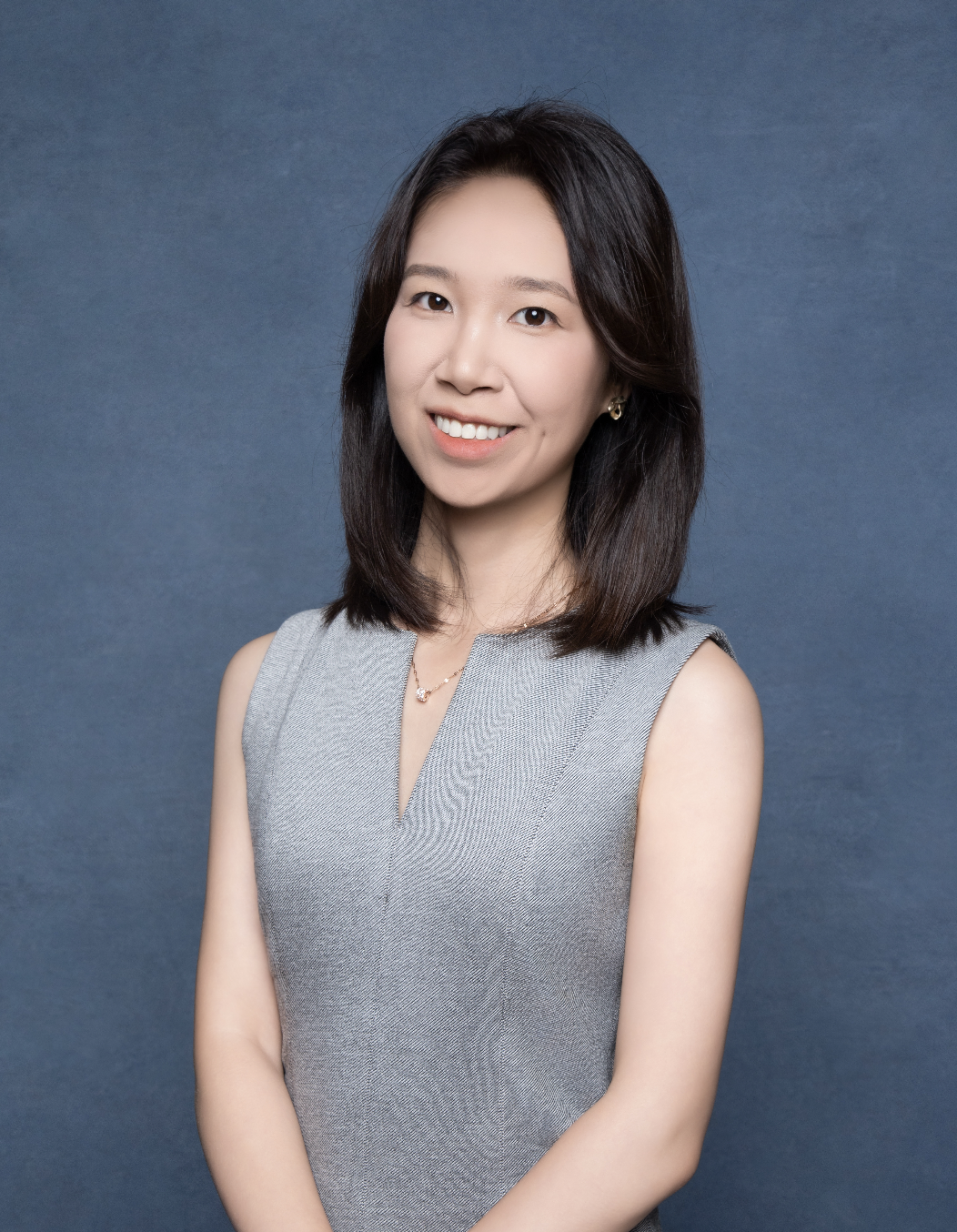
My name is Lydia Yinxuan Gu, and my journey to the Harvard Graduate School of Education has been shaped by a decade of experience across student services, academic advising, educational technology, and teaching. I have always been drawn to the spaces where students’ aspirations meet institutional structures, and my career has centered on helping learners navigate those pathways with clarity, confidence, and a sense of belonging.
I began my academic path at the University of California, Santa Barbara, where I studied Mathematics and minored in Educational Studies and the Secondary Teaching Track. Serving as the Commencement Speaker of my graduating class, I discovered early on how much I cared about student support. My undergraduate years were filled with hands-on engagement: tutoring students through AVID and supporting college readiness programs. I deepened my commitment to education at the University of California, Berkeley, completing my first M.A. in Math Education. There, I worked as a Graduate Assistant in the Disabled Students’ Program, advising neurodiverse students and designing early-intervention strategies. This was a pivotal experience: I learned how deeply student success is tied not only to academic preparation, but also to well-supported systems, inclusive pedagogy, and proactive advising.
After graduation, I joined NYU Shanghai as an Academic Advisor and Pre-law Advisor. Advising more than 160 students each semester from over 70 countries, I supported learners navigating degree pathways, policies, cross-border study away plans, and an unprecedented global pandemic. I initiated the campus’s Peer Advising Program, expanding mentorship resources and creating leadership opportunities for students. I also built and grew the Pre-law Program, collaborating with law schools and tripling student participation within a year. These roles cemented my passion for student affairs, intercultural education, and institutional design.
Most recently, I served at Stanford University as the Student Services Manager. In these positions, I oversaw undergraduate, master’s, and Ph.D. advising, managed admissions processes, coordinated 70+ courses annually, and represented the department during high-visibility events such as Admit Weekend. I also partnered with faculty, registrars, and university leadership to streamline operations, improve student experience, and ensure that administrative procedures supported learning and research.
Alongside my student services work, I have continued to teach, consult for education technology initiatives, build digital assessment systems, and support K–12 and international students’ learning needs. Across every role, one theme has remained constant: I am committed to designing educational environments that are equitable, transparent, student-centered, and empowering.
At LDIT, I truly enjoyed the diverse student population. I enjoy having productive conversations with my peers from various backgrounds, such as business owners, engineers, and school teachers. When I brought up an education design idea, my classmates and I could brainstorm together and refine from different angles; everyone would give advice based on their previous educational or work experience.
For prospective LDIT students, I encourage them to take time to reflect deeply on their past experiences and identify the moments that have truly shaped who they are—moments that felt meaningful, challenging, transformative, or clarifying. These critical experiences often reveal underlying values, motivations, and questions that can serve as a compass for their learning journey.
Understanding why these moments matter can help students articulate their goals with greater purpose and connect their lived experiences to the work they hope to pursue in learning design, innovation, or technology. I also remind incoming students that HGSE—and LDIT in particular—offer an extraordinary range of opportunities: courses, workshops, design studios, research groups, faculty office hours, cross-Harvard collaborations, and peer networks that are rich with expertise and diverse perspectives. To make the most of this environment, students should arrive ready to explore widely, ask questions, seek guidance, and intentionally curate their own pathway. In short, know who you are, trust the experiences that have shaped you, and be prepared to engage boldly with all that HGSE has to offer.

 HGSE Admissions Blog