Students in our Online Master’s In Education program share about their journey to finding a program that best fit their needs as professionals. From balancing school, careers, and family responsibilities, our OEL students show a commitment to the field of education, and to themselves.
James Austin III (he/him)
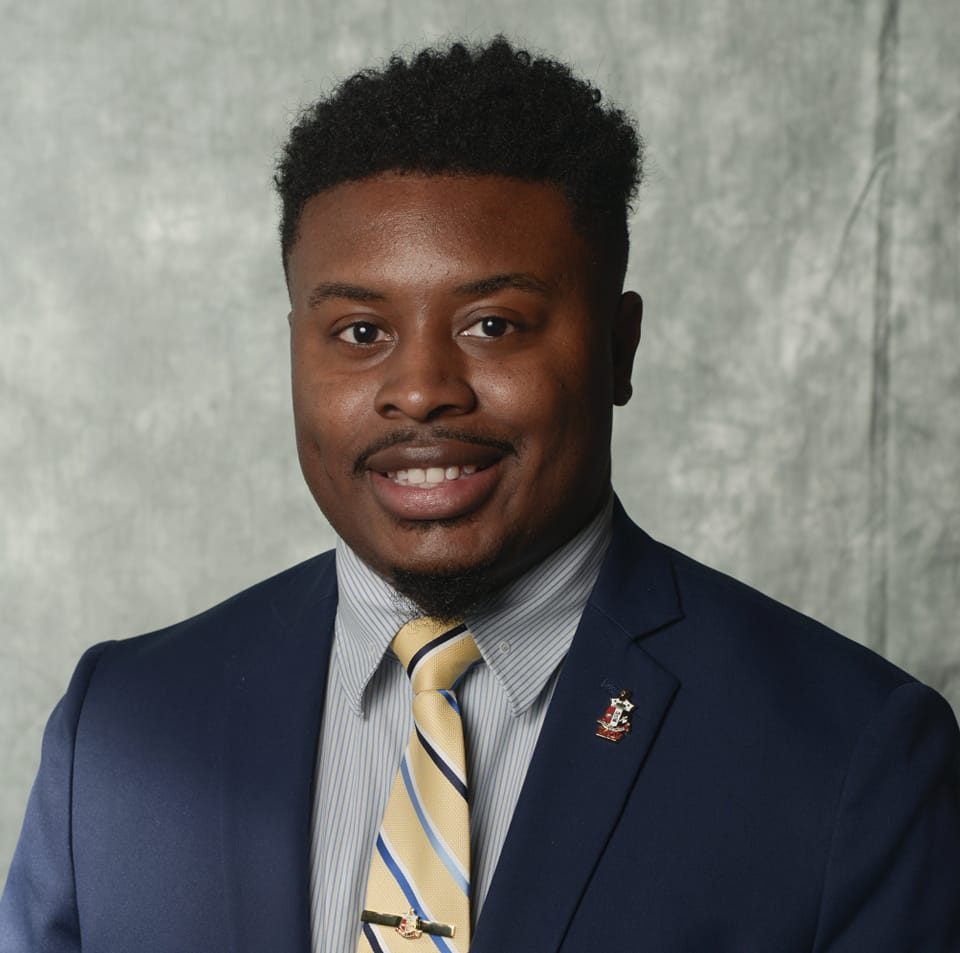
James is an Assistant Superintendent from rural Georgia, where his upbringing in underserved communities shaped his passion for educational equity. As a first-generation college graduate and a grandson of a sharecropper, James has dedicated his career to transforming public education through innovative leadership. Currently enrolled in Harvard’s OEL PreK-12 program, he is leveraging his experiences to create systemic change and improve outcomes for thousands of students. Balancing his career and fatherhood, James remains committed to modeling resilience and ambition for his children and community.
How a Rural Georgia Boy Went from Backroads to Harvard—and Is Now Transforming Education for Thousands
Growing up in the quiet, rural stretches of Sumter County, Georgia, I never imagined walking the halls of Harvard one day. Life was shaped by dirt roads, tight-knit communities, and a front-row view of education inequities plaguing underserved areas. As the grandson of a sharecropper and a first-generation college graduate, my story is one of grit, resilience, and the transformative power of education.
Reflecting on my path to Harvard’s OEL PreK-12 program, I realize it was fueled by a deep personal connection to the struggles I witnessed growing up. I saw talented kids with endless potential held back by limited resources, systemic barriers, and a lack of opportunities. Those experiences ignited my passion for education leadership and the desire to create systems that ensure no student is left behind, regardless of their zip code.
One of the most impactful moments in the OEL program came during a case study on organizational change. It wasn’t just about solving hypothetical problems—it was about unpacking the nuances of human behavior, navigating resistance, and building systems for lasting impact. My peers from various industries shared their unique perspectives, reinforcing that solutions often lie in diverse viewpoints. These exchanges reminded me why I chose Harvard: the learning is dynamic, collaborative, and unapologetically focused on real-world application.
As an Assistant Superintendent and a father, juggling work, parenting, community obligations, and coursework has been intense but incredibly rewarding. The flexibility of the OEL program has allowed me to excel professionally while staying present for my children. By prioritizing my time and modeling perseverance for my kids, I’ve advanced my career and taught my family that ambition and balance can coexist.
The most transformative aspect of the OEL program is its immediate applicability. From leveraging data to inform decisions to designing better communication strategies, I’ve used these lessons to drive measurable outcomes in my district. One principle, in particular, stands out: storytelling through data. I’ve strengthened stakeholder engagement by embedding this approach into my leadership and inspired actionable change. I have become bold, agile, and strategic by using leadership frameworks that produce tangible solutions.
If you’re considering the OEL PreK-12 program, my advice is simple: lean into transformation. This program will challenge you to think differently, lead boldly, and evolve unexpectedly. It was more than a degree—it was the bridge between my rural roots and my aspirations to transform education for thousands domestically and globally.
The journey from a small town in Americus, Georgia, to Harvard has taught me that where you start doesn’t define where you can go. With the right mindset, support, and opportunities, we all have the power to create meaningful change. And for me, that journey has only just begun.
Dawn Joves (she/her)
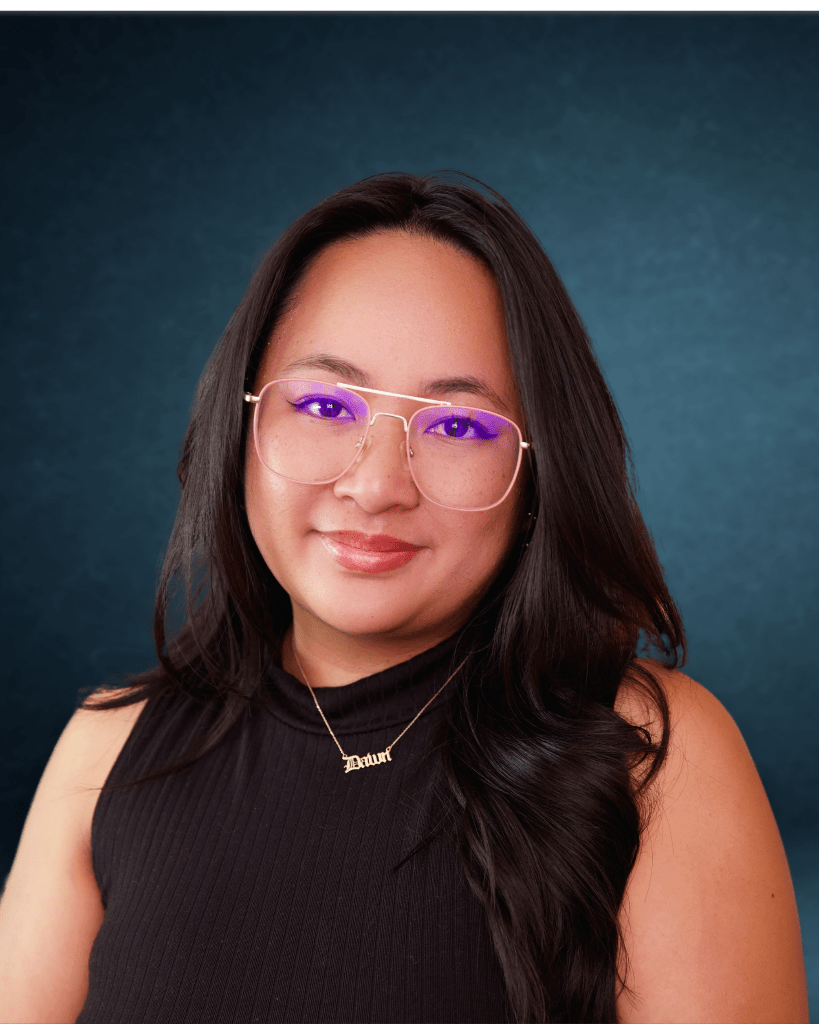
Dawn currently serves as the Student Equity and Belonging Coordinator at UCSD School of Medicine and holds a project assistant role in the Leading Equity, Anti-Racism, and Diversity office at San Diego Miramar College. She is enrolled in the Higher Education pathway for OEL, and in her downtime, she enjoys rewatching episodes of Star Trek: The Next Generation, grabbing sushi and boba with her family, and being a community organizer.
As a first-generation student who came from the Philippines as a child, my ability to navigate the education system was incredibly difficult. However, I was in a position where the support and resources I was able to attain were stronger than the barriers that may have delayed me. That isn’t true for so many students – too many students. So, I shaped my educational experiences around educational justice. Early in my career, I worked in college admissions then transitioned into a job that gave me the opportunity to work in education in a way that I had yet to do. I had the privilege of working for TRIO, and in this space, I became even more motivated to change how students access and experience higher educational institutions, so I began applying to graduate school. Since I graduated from university at CSU Northridge in 2019, I knew grad school was in my future, but I didn’t know yet where or when. Then… we had budget constraints and I was laid off from TRIO, so what better time to pour everything into my grad school apps?
I almost didn’t apply to HGSE because I thought it would be too long of a shot and the disappointment would be too great if I didn’t get in. I applied to a total of 4 schools, and I got into every single one. All programs were a variation of Higher Education Leadership, but the moment I opened my email to see the confetti fall and the “Congratulations” written at the beginning, my decision was made. I am going to Harvard.
I firmly believe that knowledge is a communal asset, and continuous improvement is non-negotiable. It is this unyielding motivation to be a pillar of support rather than a barrier that propels me towards graduate studies. HGSE is where I believe I will be most prepared to empower marginalized communities and fundamentally transform the higher education landscape.
This is a snippet of my statement of purpose, which is my “why” of applying and being in this program. My time at HGSE since accepting my offer of admission has been nothing short of inspiring, agitating (in the best way ❤️🔥), and supportive. My classmates, teaching fellows, professors, and various advisors embody the drive and compassion needed to create an educational system that is for all learners, and I am in awe at what my peers accomplish around the world on a daily basis. OEL is a community that is a privilege to be part of, so we hope that if you’re reading this and deliberating whether or not it’s the right space for you, just try. With everything you’ve accomplished this far, give yourself, your students, and your community the opportunity to learn to change the world.
William Yip (he/him)

William Yip is a drama educator and teacher trainer with 27 years of experience, specializing in using theatre and drama to promote social-emotional learning and inclusive education. He is the Director of Ximalaya Drama/Theatre & Education Innovation Institute. For the past seven years, he has worked in rural village schools across China, empowering both teachers and students through drama-based pedagogy. His work focuses on addressing the challenges faced by “left-behind children” by creating engaging, inclusive, and emotionally supportive learning environments.
From Passion to Practice: My Journey in the HGSE Online Education Leadership PreK-12 Program
Education has always been at the heart of my career and passion. As a drama educator and instructional leader, I’ve dedicated years to empowering students and teachers through creativity, collaboration, and social-emotional learning (SEL). However, systemic challenges often hinder meaningful change. When I discovered the Harvard Graduate School of Education’s Online Education Leadership (OEL) PreK-12 Program, I saw an opportunity to deepen my impact by strengthening my leadership skills and thinking more broadly about systemic change.
Through this program, I’ve gained transformative insights, practical tools, and a supportive network of peers and faculty that have elevated my practice. Here, I reflect on what led me to apply, the impact of two memorable courses, and how I balance and apply what I learn in both my professional and personal life.
I applied to the OEL PreK-12 Program to enhance my ability to lead systemic change. In my work, especially in rural communities, I’ve focused on integrating drama-based pedagogy and SEL into classrooms. While the results have been promising, I’ve often encountered challenges such as fragmented systems, resistance to change, and gaps in collaboration. The OEL program stood out because of its balance of theory and practice, its focus on leadership as a lever for systemic change, and its flexible structure that allowed me to continue my work while studying. Most importantly, it promised not just knowledge but actionable tools and strategies that I could apply immediately in addressing these real-world challenges.
Two courses in the program, How People Learn and Strategic Leadership in the PreK-12 Education Ecosystem, have profoundly shaped my perspective and affirmed my decision to pursue the OEL PreK-12 Program.
In How People Learn, we explored how cognitive, emotional, and social factors influence how individuals acquire knowledge and skills. A memorable moment for me was when we discussed how emotions and context shape memory and learning. As a drama educator, this insight reaffirmed the power of arts-based education. Drama engages emotion, context, and collaboration, creating experiences that are both memorable and meaningful. This encouraged me to revisit how I design workshops for teachers, ensuring they incorporate emotional engagement and practical application to deepen their learning.
In Strategic Leadership, we focused on strategies for fostering leadership within educational systems. A pivotal moment came during a session on adaptive leadership, which emphasized the importance of distinguishing between technical problems (those with clear solutions) and adaptive challenges (those that require new ways of thinking and collaboration). This framework resonated deeply with my work in rural schools, where addressing teacher mindsets and systemic barriers requires ongoing dialogue and shared ownership of change. These courses not only enriched my understanding of how people learn but also provided actionable tools that I’ve incorporated into my professional practice.
Balancing the OEL program with my work and personal life has been both challenging and rewarding. The program’s structure, which combines asynchronous modules with live discussions, offers flexibility, but staying on top of everything requires careful planning. I’ve found success by scheduling dedicated blocks of time for coursework and treating them as non-negotiable commitments. Additionally, integrating lessons from the program into my professional work has reinforced my learning. For example, when designing teacher development workshops, I now incorporate frameworks from How People Learn, such as emotional engagement and reflective practice, alongside strategies from Collaborative Inquiry – Sustaining Meaningful Professional Learning for Our Colleagues and Ourselves to foster collaboration and innovation.
The OEL program has had a profound impact on my professional practices. One key example is how I’ve applied the OODA Loop framework (Observe, Orient, Decide, Act) I learned from Leading Learning – Cultivating Skills for Education Leadership and Management to address student disengagement in schools. By collaborating with teachers and counselors to gather and analyze data, we identified root causes, which led to interventions such as SEL workshops and peer mentorship initiatives. Similarly, the learning science principles from How People Learn have reshaped how I design teacher training programs, emphasizing emotional engagement and practical application to enhance retention and skill transfer.
For those considering the OEL program, my advice is simple: dive in with curiosity and an openness to apply what you learn in real-time. This program is about transforming your leadership practice, not just gaining knowledge. Take full advantage of the diverse perspectives of your peers and faculty to broaden your understanding of what’s possible in education. And don’t underestimate the importance of time management. Balancing coursework with professional and personal responsibilities can be demanding, but with intention and organization, it’s absolutely achievable—and rewarding.
The OEL PreK-12 Program has been a transformative experience. It has provided me with the tools, insights, and confidence to tackle complex challenges in education and lead with purpose. Most importantly, it has reinforced my belief in the power of leadership to drive meaningful change. If you’re passionate about shaping the future of education and creating systemic impact, the OEL program offers the platform and mentorship to turn your vision into reality!
Dalia Jarara (she/her)
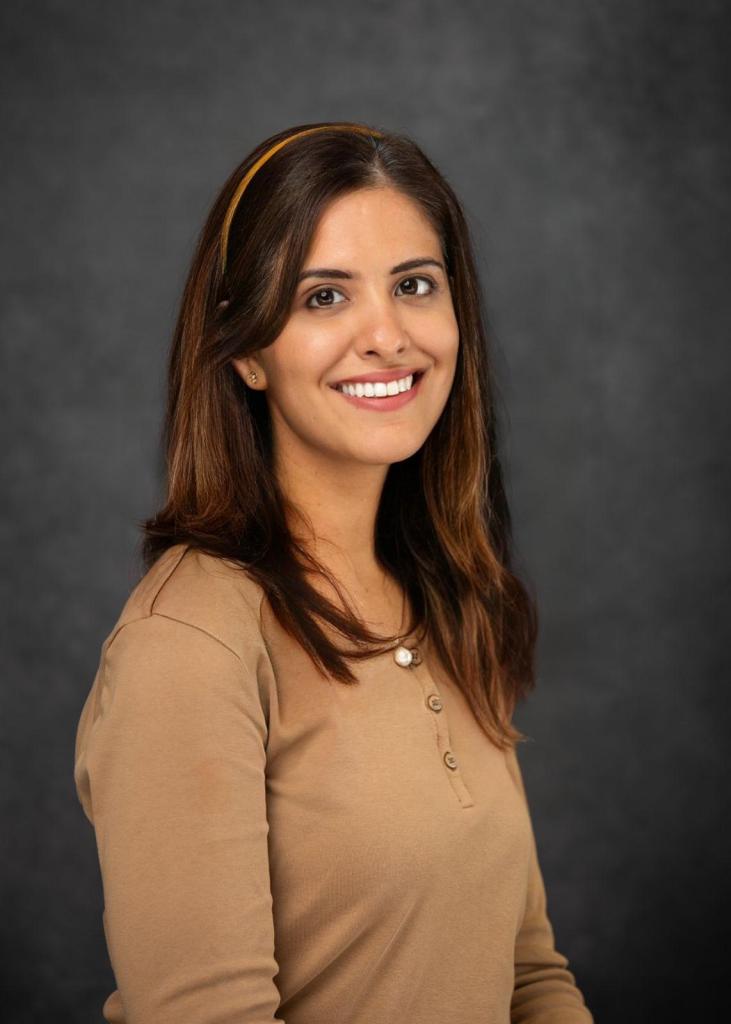
Dalia Jarara is a dedicated mom and student counselor. Dalia works to promote student achievement and success through advocacy and leadership.
I had just completed my Master’s of Science in School Counseling at the Graduate School of Education at Touro University and found myself asking, “Now what?” With nearly nine years of experience as a student counselor at both secondary and post-secondary institutions, I had discovered the benefits of combining work with further education.
Inspired by a friend’s LinkedIn post about completing a professional certificate at Harvard Graduate School of Education (HGSE), I explored HGSE’s website. The OEL program caught my attention, as its description resonated with my career goals. Dr. Irvin Scott’s video about the program further intrigued me. Believing I met the necessary qualifications, I decided to apply.
There have been many moments that affirmed my choice to study OEL Higher Ed program; particularly moments spent with my peers, who have similar perspectives on equity and inclusion. Guided by our professors, we engaged in critical dialogue, recognizing the urgent need for educational reform. These experiences reinforced my belief in the program’s commitment to fostering critical thinking, empathy, and social justice. These moments reinforced my decision to enroll in the OEL Higher Ed program, as it demonstrated the program’s commitment to fostering critical thinking, empathy, and social justice.
Balancing the demands of a part-time student, a full-time job, and family responsibilities has been challenging, to say the least. As a parent of two children, I’ve learned to prioritize time and tasks. My rule of thumb is to always prioritize my children. This approach encourages me to study during specific hours of the day and efficiently complete my work tasks. A busy schedule has proven to be the most effective way to manage time.
The Higher Education courses have been instrumental in my professional practices. I’ve gained valuable insights into navigating challenges within the higher education landscape. I find myself actively engaging with colleagues, discussing important aspects of access, completion, and post-completion success in higher education.
My advice for applicants is to take this opportunity to be in tune with yourself. The program offers a unique platform to connect with like-minded individuals, challenge your assumptions, and develop a deeper understanding of higher education. By being open to new ideas and perspectives, you can maximize your learning experience and make a lasting impact on the field.
 HGSE Admissions Blog