It’s in the name: the Human Development and Education program prepares students to understand and support all types of learning through different developmental domains. Read more about the experiences of students in the HDE program, and what role they hope to play in supporting learners.
Alister D’Monte (he/him)
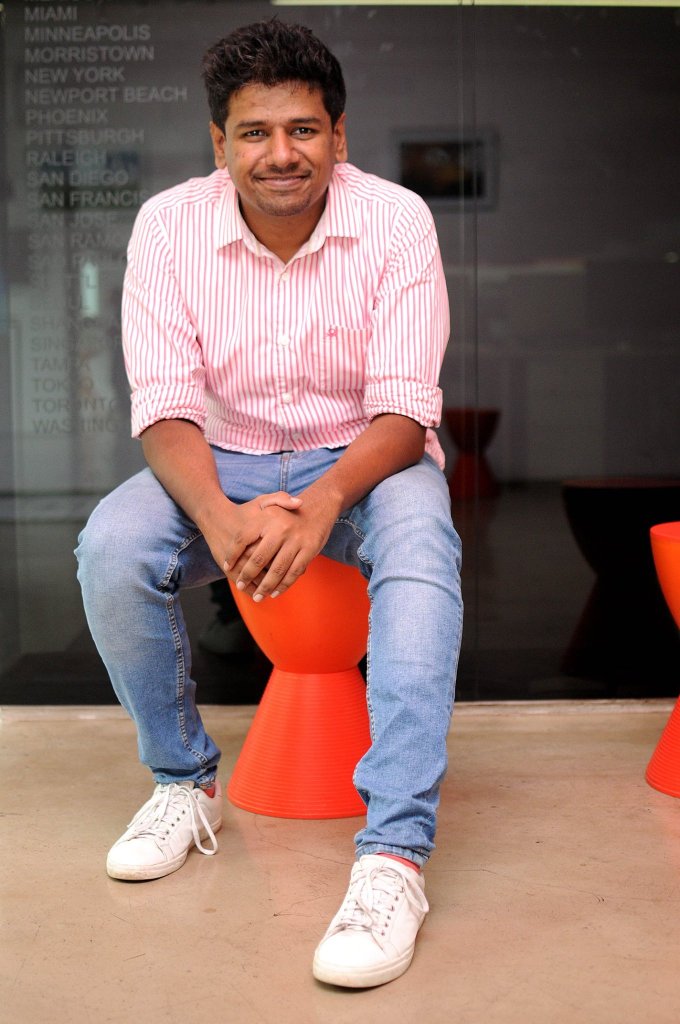
Alister D’Monte was born and raised in Pune, India (a city near Mumbai) and later moved to Bangalore, where he worked with a crowdfunding platform to raise funds for various social causes. About seven years ago, he founded a social enterprise dedicated to helping teenagers discover their purpose and career paths through industry mentorships. His primary interest lies in Adolescent Development, and he realized that the Human Development and Education (HDE) Program at Harvard would allow him to deepen his understanding of this evolving field.
“Boys don’t pursue Arts!”
Growing up in India, I heard this phrase often. It reflected the rigid gender norms that shaped the lives of so many teenagers around me. Boys are often expected to follow traditional career paths like engineering, medicine, or law, while girls are encouraged to stay closer to home, sometimes even discouraged from pursuing STEM fields. Witnessing these gender biases firsthand as a teenager myself, I felt a deep need to challenge them.
So, in 2018, we started Unherd.in – a social enterprise in India that helps teenagers explore their career interests through industry mentorships and get them to step away from the herd mentality! To our surprise, we noticed teenagers breaking stereotypes: senior school boys were drawn to fields like psychology and design while teenage girls showed interest in computer science, biotechnology and law. This was encouraging to see, but showed me that we still have a long way to go before teenagers can pursue their careers of interest without being judged. Moreover, as the organization grew, so did the complexity of the challenges we were trying to address. It soon became clear that achieving real systemic change would require more than just short-term opportunities for my students — it would demand a deeper understanding of the various forces shaping teenagers’ choices, from family dynamics to cultural norms and psychological development.
In 2020, I discovered the Human Development and Education (HDE) Program at the Harvard Graduate School of Education (HGSE), and it instantly felt like the missing piece in my work. The program’s emphasis on understanding learner development aligned perfectly with my goals, and I was thrilled at the prospect of taking courses that ranged from Adolescent Development at HGSE to business and policy classes at Harvard Business School (HBS) and Harvard Kennedy School (HKS). Yet, despite all this excitement, the idea of applying to Harvard felt overwhelming. Articles titled “How to Get into Harvard” or “What It Takes to Get into Harvard” only heightened my doubt. Each year, I would start my application but then hesitate, convinced it would lead to rejection (I even joked about framing the rejection letter on my wall). This cycle continued for three years. Imposter syndrome is real.
But in 2023, I finally decided to apply after attending an alumni event where I met students from the HDE program. Talking with the alumni gave me the confidence to move forward and, for the first time, a real sense that HGSE could be a place where I could belong. Their experiences showed me that this was a program where I could grow both professionally and personally. Also, hearing about the kindness and genuine support that HDE Co-Chair Professor Junlei Li extends to his students further affirmed that this was the right community for me. And so I (finally) applied.
Decision Day: I opened my acceptance letter, and the first word I saw was “Congratulations!” I was stunned, and tears immediately started streaming down my face. That night, I couldn’t sleep at all. After three years of self-doubt, it was finally happening — my life had changed in a single word.

It’s surreal to think that just a few years ago, I questioned whether I should even apply. And yet, here I am today—not only as a student in the HDE program, but also serving on the Student Advisory Board for the department and as a Student Ambassador at HGSE.
So, if you’re considering applying to HGSE, I’d say, “DO IT!” Don’t let doubt or fear hold you back. Go meet current students, connect with alumni, attend HGSE events—and you’ll soon realize that you truly belong here. This community is ready to support you, challenge you, and help you grow in ways you never imagined. Take the first step and trust that this journey at HGSE will lead you to places you can’t even yet see.
Saher Sania (she/her)
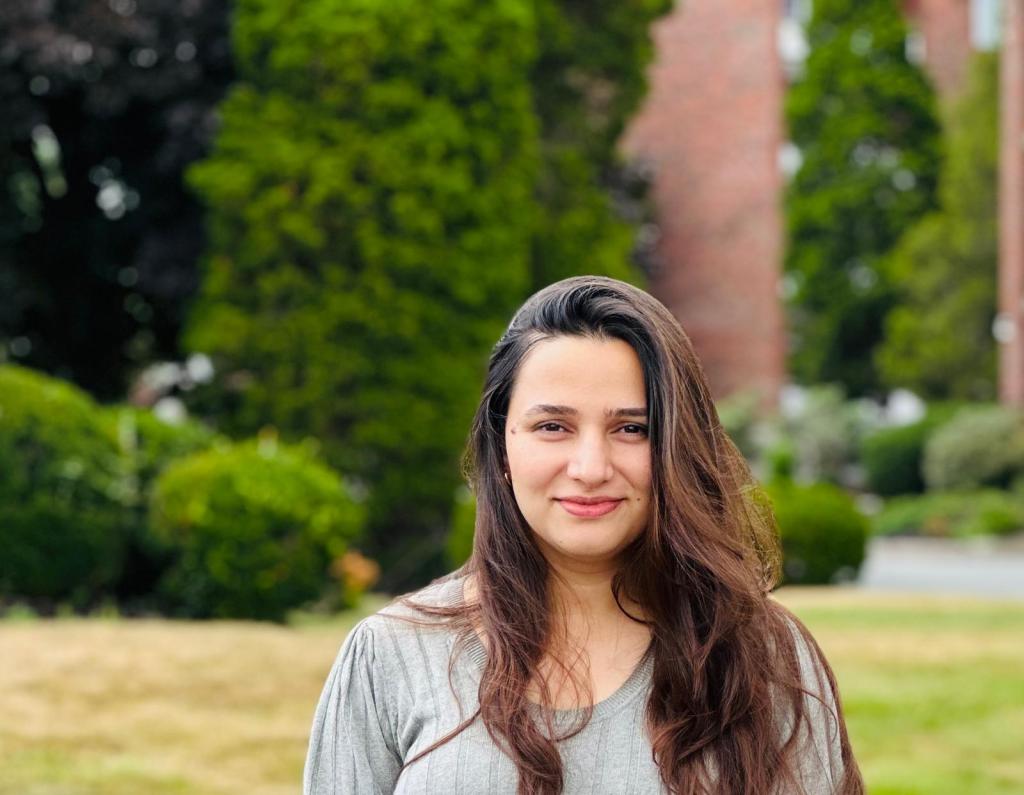
Saher is a master’s student at the Harvard Graduate School of Education, concentrating in Global, International, and Comparative Education (GICE). Originally from Pakistan, her work focuses on fostering strong relationships between parents, teachers, and social workers to support the holistic growth of students. At HGSE, she is passionate about creating collaborative solutions that promote inclusive and equitable education systems globally
When I applied to the HDE program, I wasn’t sure I’d belong. I’m a mother of two—one still an infant—adjusting to life in Boston, far from the warm familiarity of my family in Pakistan. Yet, deep inside, I knew I had to try. I had spent years dreaming of a way to help parents like myself—parents in communities where opportunities are scarce but the potential is immense. My goal was clear: to design early learning tools that could empower families in Pakistan and similar settings. HGSE felt like the place that could help me bring this vision to life.
Arriving at HGSE and joining the Human Development and Education program has been transformative, particularly through my concentration in Global, International, and Comparative Education (GICE). Every day brings stimulating discussions that challenge my perspective and expand my understanding of education as a tool for change. The diversity of thought in these classes mirrors the diversity of the world itself—offering insights into how policies and practices can be reimagined to address systemic challenges. These conversations, along with the practical skills I am gaining, have been instrumental in shaping my current work on an e-platform for parents in Pakistan. It’s a project born from a mix of my experiences as a teacher, a mother, and a witness to inequities in education systems across the countries I’ve called home. The platform is designed to empower families who cannot afford early years programs, equipping them with the tools and resources to prepare their children for kindergarten at home. When we say “all means all,” it means early years education for everyone.
Beyond the intellectual growth, there is a profound sense of community and the abundance of resources to facilitate us here. From the warm smiles of my professors to the encouragement of my peers, HGSE has become a home I didn’t expect to find so far from where I began. For anyone considering HGSE, my advice is simple: don’t let the fear of not fitting in hold you back. Your story matters. Every struggle, every triumph—it all brings something valuable to this community. When I first arrived, I wondered if my voice would resonate here. Now I see that it’s the very differences we bring that make this place extraordinary. You don’t have to have all the answers; you just have to be willing to ask the right questions and open yourself to new possibilities.
For me, HGSE isn’t just about earning a degree—it’s about bridging gaps. It’s about taking what I’ve learned in classrooms here and transforming it into action in places that need it most. Every day, I think of the parents around the world who want the best for their children but lack the tools to make it happen. They are why I’m here. They are why I wake up every morning excited to learn and create. And they are the reason I know that this journey is only the beginning of something much greater.
Cherlin Anne Ongkeko (she/her)
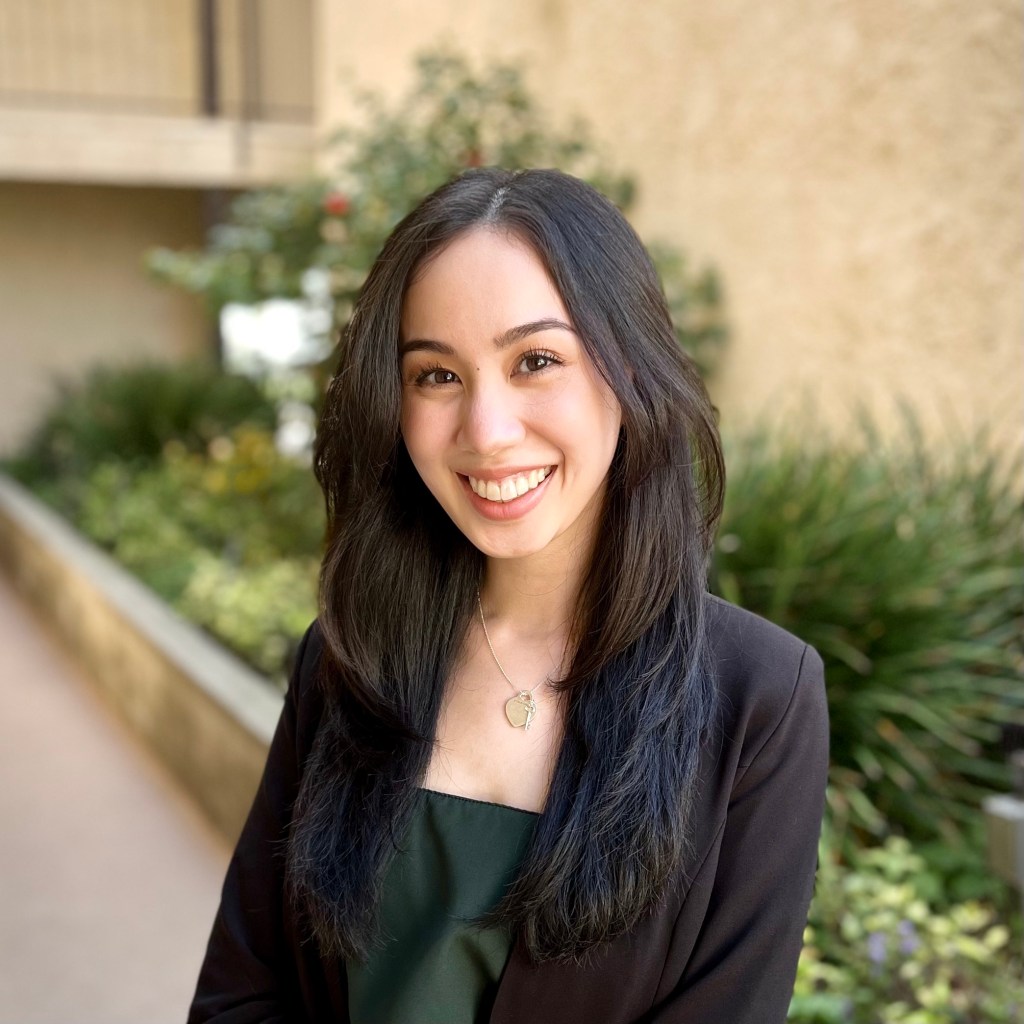
Cherlin identifies as Filipina-American and a first-generation U.S. college student. She has worked in
K-16 education sectors ranging from after-school programs, college access nonprofits, and higher education. She is a proud alumna of Pasadena City College and California State University, Long Beach (Go Beach!), where she double majored in human development and psychology. Cherlin recently earned a Certificate of Achievement in Philippine Studies at City College of San Francisco, which has amplified her focus on culturally sustaining education and mental health resources.
From my time as a community college student to my current studies at HGSE, I’ve been excited to nurture the well-being of learners at every stage of their development. My undergraduate majors naturally led me to the Human Development and Education (HDE) Program as an ideal fit for deepening my knowledge and desired impact in the field. Here at HGSE, we’re collectively generating new perspectives to better meet the needs of individuals across the lifespan.
Back home, I have been heavily involved in advocating for the Filipino student demographic, especially in the California community college system. My background has fueled a commitment to designing culturally sustaining programs that are equitable and developmentally appropriate for diverse learners. HDE offers an optimal setting to pursue these endeavors with its blend of theory and practice.
What surprised me most, however, was how quickly my interests evolved after arriving in Cambridge. During August’s Foundations courses, Equity and Opportunity provided an unforgettable experience. I chose to take Dis/ability in Context, led by two HGSE alumni, Todd and Monica. They truly illustrated inclusion and accessibility in the classroom with their seamless integration of Universal Design for Learning (UDL) principles, such as varied assignment formats and participation modes.
The class was profoundly inspiring, particularly as I recognized my diagnosis of inattentive ADHD just this year. Together, these experiences expanded my understanding of neurodivergence and sparked a new pursuit: addressing how the inattentive subtype of ADHD is often overlooked and misunderstood in AAPI and Filipino populations. This realization motivates me to confront the systemic gaps and stigma surrounding ADHD in culturally nuanced ways.
HDE’s flexible curriculum encourages me to explore this focus throughout various developmental contexts. In one course, I am designing an accessible student services program at the community college level to effectively enhance executive functioning. In another, I am crafting a culturally responsive training for K-8 educators to promote early intervention for inattentive ADHD. These opportunities have illuminated the practical applications of theoretical frameworks, reshaping my vision for meaningful change in education.
Beyond the classroom, HGSE is genuinely invested in its students. The HDE Program fosters an environment where collaboration and growth thrive even within a large cohort. The faculty are extraordinary—not only passionate and knowledgeable but also wholeheartedly dedicated to our success. This supportive culture has transformed my trajectory as an educator and person.
Connecting with the broader HGSE and Harvard community has been one of the most rewarding aspects of this journey. Recently, Dawn Joves (OEL ’26) and I co-founded the HGSE Filipinx Educator Network, an officially recognized student organization. Our mission is to uplift generations of Filipino educators and students, and we are thrilled to create a space rooted in shared stories and mutual empowerment.
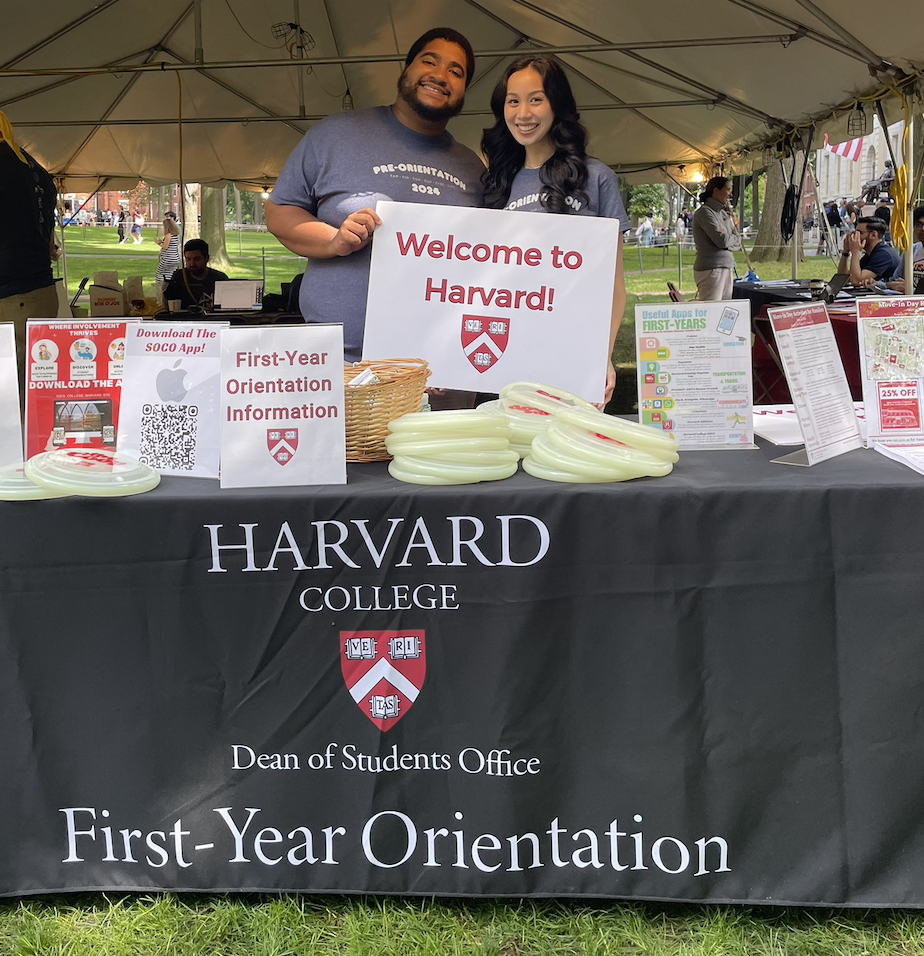
Additionally, I am grateful to serve as the Graduate Assistant for Pre-Orientation Programs in the Dean of Students Office at Harvard College. This role has given me the honor of welcoming the incoming first-year class while gaining invaluable insights into student engagement in higher education. It’s been an incredible way to cultivate enriching relationships across Harvard.
For those considering applying to HGSE and the HDE Program, my advice is to lean into your story—let your experiences guide your purpose as an educator. As a first-generation student, I empathize with how intimidating it can feel to write confidently about yourself, but your authenticity and commitment will shine through when you embrace your unique narrative!
 HGSE Admissions Blog