Two of our Ed.M. students share their experiences applying to doctoral programs and their choice to be considered for a master’s program in that process. Almost halfway through the semester, here are their reflections.
Karen Su (they/them)
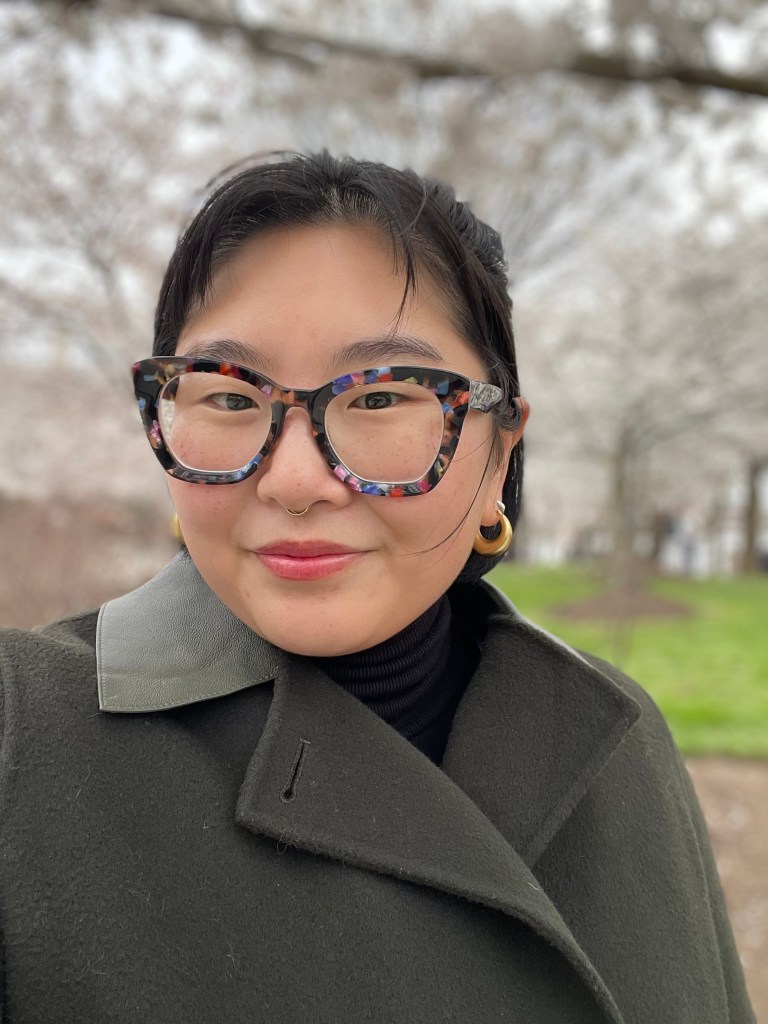
Karen Su (they/them) is in the Education Policy & Analysis Ed.M. program with a concentration in Higher Education. As a college and career-readiness counselor, Karen is committed to contributing more evidence and equity-based approaches to college access initiatives.
A year ago, after wrestling between applying to a Ph.D. or Ed.M program in education, I chose to submit my Ph.D. applications. My mentors and even members of the Harvard Graduate School of Education (HGSE) encouraged me with, “What do you have to lose? You have a research question that you are passionate about. The worst that can happen is you end up in a Master’s program somewhere!” They were right; I was confident in my relevant work experience, applied research background, and research questions. Why not aim for the stars?
A year later, I am not in a Ph.D. program, but I am certainly not in my “worst-case scenario” either. I have the honor and privilege to attend HGSE as an Ed.M. candidate in Education Policy and Analysis with a concentration in Higher Education. I am incredibly grateful to my younger self for opting to be considered for the HGSE Ed.M. program. This option offered me the salve of not never, just not now.
I firmly believe in maxims like “rejection is redirection.” Although the Ed.M. program is not what I initially envisioned for myself, I am so glad that life worked out this way. These past six months have been revelatory – pushing me out of my comfort zone to explore new research methods and investigate my research interests from different theoretical lenses. I have learned to reimagine a better world where limits are not obstacles but opportunities for growth and creativity.
I dove headfirst into a new research method through Dr. Gretchen Brion-Meisels’ course on Intergenerational Participatory Action Research, working with middle school students at Next Wave Full Circle in Somerville, MA. I never imagined working with this age group or being in the classroom. However, I am pleasantly surprised by how much I enjoy it and how much I have been learning from my students. My redirection to the Ed.M. program has led to unexpected eye-opening opportunities like this, and I am hungry for more.
In the classroom, I am learning vocabulary and theories to understand what I see in the field. Dr. Alexis Redding’s course on College Student Development has given me many theories to contextualize my research questions and opportunities to see them in action. Dr. Francesca Purcell’s course on Postsecondary Education has given me insights into the policy implementation process for improving college access. These courses have been critical in developing the skills I need to succeed as a scholar and practitioner.
Outside the classroom, I am a research assistant in the School Counseling Lab under Dr. Mandy Savitz-Romer and Boston College’s Dr. Heather Rowan-Kenyon. I am gaining valuable research experience, focusing on improving college access through improving school counseling. This opportunity is shaping my decision to pursue a Ph.D. in the future. In hindsight, this is a significant experience I wish I had when initially applying to doctoral programs.
The Ed.M. program has given me more than I could have imagined — experiences and perspectives shaping my career in ways I did not anticipate. I have the flexibility to rediscover myself as an individual, scholar, and practitioner. I have found intellectual thought partners, sources of inspiration in my peers, and a vibrant community where I have built friendships that nourish my soul. These rich experiences are shaping me into the scholar I aspire to be, especially as I consider applying to doctoral programs in the future. This path has been more rewarding and fulfilling than I had intended a year ago. To my younger self who checked the “opt-in” box, thank you.
Malumbo Bofomo-Nyirenda (she/her)
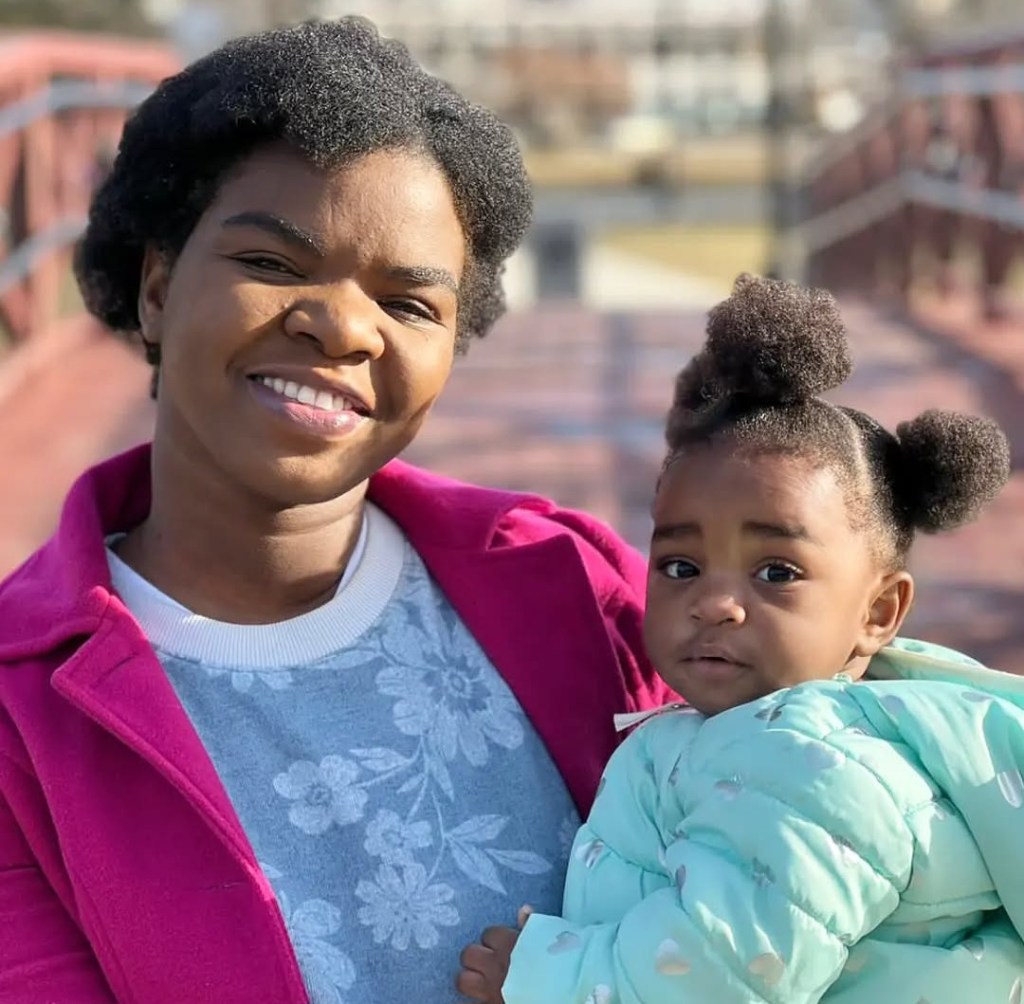
Malumbo is a graduate student in the Education Policy and Analysis (EPA) program at the Harvard Graduate School of Education. Originally from Malawi, she is passionate about education equity, particularly improving access to learning opportunities for underserved populations such as refugee youth. As a wife and mother, Malumbo is inspired by the power of education to create opportunities and transform lives, and she brings a deeply personal perspective to her work in advancing equitable education policies.
My initial motivation for applying to a doctoral program stemmed from my passion for education equity, specifically my desire to investigate how systemic barriers, such as encampment policies, affect access to education for refugee youth. As a Malawian woman, and as someone who has personally witnessed the transformative power of education, I felt compelled to dive deeper into these issues through doctoral research. So, when I received the news that I had been accepted into the master’s program, I was initially uncertain. I had set my sights on a doctorate as the path that would allow me to most directly tackle the inequities I care deeply about. However, after reflecting on the opportunity, I began to see the master’s program as a stepping stone that could provide me with the essential skills and expertise to pursue my long-term academic and professional goals.
One moment from the application process that stands out for me was during the HGSE Admitted Students Open Day, and the various admission webinars with fellow admitted students. Hearing from current students—especially those who were parents balancing family life with their studies—was incredibly inspiring. Their stories of overcoming the challenges of parenthood while pursuing graduate school deeply resonated with me as a mother. In addition to this, the supportive services they shared, such as childcare resources and flexible schedules, reassured me that HGSE understood and valued the complexity of being a parent while striving to achieve academic goals. This sense of community and the willingness of staff and students to share their experiences made me feel supported even before officially starting the program.
Applying to doctoral programs helped me crystallize my focus on refugee education, particularly how policies influence refugee youth’s access to post-secondary education. This process made me realize that while a doctoral program would eventually be a key part of my journey, there were critical foundational skills I needed to build first. The master’s program at HGSE, with its emphasis on policy analysis and practical applications, emerged as the ideal next step. I saw it as an opportunity to refine my academic and professional goals, and develop the expertise I would need to make a tangible impact in the field of education equity.
Since joining the master’s program, my academic and professional aspirations have expanded beyond research and policy into areas such as community engagement and applied learning. While I initially came into the program with a clear focus on theory and research, I’ve discovered the importance of translating these ideas into real-world action. The emphasis on collaboration and practical problem-solving at HGSE has enriched my understanding of how to make a difference in education policy. Personally, the experience has also deepened my resilience, adaptability, and time management skills—lessons that have helped me balance the responsibilities of being a graduate student, a wife, and a mother.
The master’s program at HGSE is perfectly aligned with my long-term goals of creating equitable educational opportunities for underserved populations, particularly refugees. I chose HGSE because of its commitment to both theoretical knowledge and real-world impact, and I’ve found that the program offers the right balance of rigorous academics and hands-on learning to help me develop the skills and networks I need to make a tangible difference in education policy.
Initially, I expected that the doctoral path would provide me with the research and policy expertise I needed, but the master’s program has proven to be just as impactful. The focus on collaboration, applied learning, and community engagement has been especially enlightening for me. While doctoral work is still in my future, I have realized the importance of gaining practical experience and applying research in the real world before embarking on more advanced academic work. This new direction has expanded my perspective on how to affect change in education and has shown me that each step, no matter how unexpected, brings me closer to my goals.
Alysha Johnson Williams (she/her)
Alysha Johnson WIlliams (she/hers) is an alumna of Harvard College and the Harvard Graduate School of Education. She earned her Ed.M in Higher Education from HGSE in 2020. Currently, Alysha serves as a Resident Dean of First-Year Students and Assistant Dean of Harvard College. Alysha is passionate about supporting undergraduates, especially during times of transition, and feels honored to work with first-year students.
I applied to the Ph.D program (twice!) and was rejected both times. However, what could have been a huge ego hit turned out to be the best thing for me! The first time, I only applied to the Ph.D program and I was crushed, but not deterred. I spent the next year trying to refine my interests and after attending some recruitment events led by HGSE’s Admissions team, I decided to apply for both the Ph.D program and the master’s program. When I got accepted into the master’s program I was thrilled and excited to begin my studies at HGSE.
Appian Way has always held a special place in my heart. As an undergrad at Harvard College, I had the opportunity to take two HGSE courses during my senior year. Those courses, taught by Professor Ebony Bridwell-Mitchell and Professor Andres Alonso, not only inspired me and informed my career path in education, but also showed me how seriously HGSE takes education. I was blown away by the deep experience and care of the faculty and I knew I wanted to join the HGSE community as a student. During my master’s program, I learned so much from the faculty and my peers and each class shaped how I approached my work and allowed me to build a network of professionals that I still count on and collaborate with today, nearly five years later after graduating.
During my time at HGSE, I focused on higher education. The things I learned in my program directly influenced my professional work and I often use concepts I learned in class. In particular, Professor Alexis Redding’s course on College Student Development Theory has proven to be extremely useful. I often integrate student development theory into my work and I am proud to be a theory-informed practitioner. My work and my experience at HGSE complement each other so well, and I don’t think I would have gotten as far in my career without my master’s degree. Since graduating in 2020, I’ve been promoted twice, and my degree was instrumental in pushing me forward and allowing me to achieve my long-term goal of moving up in university administration.
In reflecting on my experience, I realized that even though I thought I was a strong PhD candidate, there was so much more I needed to learn about education and my role in it. I originally applied to the Ph.D program because I wanted to make a positive difference in education, and I thought a Ph.D would be the best way to do that. However, after completing my master’s degree and utilizing it in the workforce, I cannot imagine not having had that experience. I gained practical skills and forged relationships that led to multiple teaching and research opportunities. I am better able to articulate my academic and research interests and these experiences will make me a much stronger applicant when I decide to apply to Ph.D programs again. I am so grateful for my master’s degree and the doors it opened for me. When I eventually get my Ph.D, I’ll have my professors and friends from my master’s cohort to thank in my dissertation acknowledgments!
 HGSE Admissions Blog