by Katie Filiakova, Ed.M.’24

Winter is coming!! Fall and winter in New England are gorgeous, and Boston has a lot to offer even in colder times. It is crucial, however, to stay warm and take care of your physical and mental health. With the sun coming out less and less and days getting shorter, it is not uncommon to feel down and more stressed. Many students come to HGSE from warmer climates and experience winter for the first time in their lives. Figuring out how to stay warm can be overwhelming, so here is a list of tips for surviving winter I have accumulated after growing up in Russia and attending college in Maine.
Clothing is essential. Dressing up warm sounds easy enough, but there are ways to maximize your warmth without sacrificing the entire contents of your wallet.
General Wisdom
Layer up! This is the most essential tip of them all. You do not need the biggest, puffiest, most expensive winter coat. In fact, you will be a lot colder with just a huge jacket and one undershirt than with 2-3 layers of clothes under a thinner fall coat. Do not get me wrong, a good winter coat is important, but it will be a lot less useful without layers underneath. When the temperature drops well below freezing, my usual “layer-up” consists of a simple t-shirt under a long-sleeve thin sweater with a cardigan on top and a coat to finish it off.
- Beware of temperature differences between indoors and outdoors. Layers are great not only for staying warm, but also for adjusting your body warmth to the environment. For example, you may be layered-up well and warm when you leave the house but get too hot when you get on the subway or arrive to class. Sweating is not pleasant, but also dangerous, as it is significantly easier to catch a cold if you step into the cold while sweaty. Removing/unzipping layers is a great way to regulate how warm you are in any space.
- Looser layers work better. Not all layers need to be loose but having a bit of airspace between your layers and your jacket, for example, allows for better warmth retention. It also allows a bit more air flow to prevent sweating!
- Consider undershirts and thermal wear. Thermal wear is not for everyone, as it can get too warm indoors, but I like it as an extra layer when I know I will spend a while in the cold. It is also a great way to make your fall/spring clothes, like sweatshirts and jeans, work in the winter as well!
- Wool, fleecy synthetics, and cotton are the best materials that provide warmth but don’t make you sweat too much. Materials like polyester are a lot less efficient and do not provide much warmth.
- We will talk about keeping your living space warm later in the post, but you can layer blankets too!
Coats and Jackets
If you are looking to buy a winter coat, choose wisely! Again, you do not need a fancy or an expensive one. The bottom line is choosing a coat that covers as much as it can.
- I prefer longer coats that cover the lower back and partially thighs. A longer coat helps keep the heat in and ensure that the cold does not creep in from underneath.
- Coats that have extra layering that covers the neck and wrists are great too. When thinking about staying warm, think beyond just the legs and torso! Coats with a broad neckline or shorter sleeves will let the cold air in.
- Consider a coat with a hood as well. Hoods are not always pretty, I admit, but they provide unmatched protection from the cold for your head and neck.
- If you are shopping for coats, especially the slimmer ones with belts, keep your layers in mind. All my winter coats are one size bigger than my other clothes.
- Remember, snow is water! When choosing a coat, evaluate how it can resist the water. There is nothing more freezing and frustrating than a wet coat. For example, coats that have wool as the outer layer are fashionable but will get soaked very fast.
- Boston is not the windiest city in the world, but gushes of cold wind are not rare. Think about protecting yourself from the wind (especially the wind that throws snowflakes in your face) as much as from the cold.
Top to Bottom
There is a great Russian wisdom that teaches that in cold weather, a body’s warmth comes from the feet and the ears. No matter how warm your body is, it is crucial to keep the feet and the head warm.
- Let’s tackle footwear first. I am a strong believer that winter boots (the ones with fur or thick padding inside) are absolutely necessary. They provide complete protection from the cold even if you are wearing thin socks. Winter boots also usually have thick soles and ankle covering, which are essential.
- It is also totally valid to not want to buy separate winter boots, especially if you are only planning to stay in Boston for the duration of your study and then go back to a warmer climate. In that case, I highly recommend investing in good rain boots that you can wear in fall and spring as well and layering up with thick socks. You can also buy winter soles separately on Amazon and slip them into your fall boots for extra warmth.
- In winter, a boot with a thick bottom can help physically keep your foot away from the snow and prevent your boot from getting wet as well. Sometimes, especially when the sidewalks have not been cleaned yet, snow will get too high and might get into your footwear if you step in too deep. So, make sure your boots cover the ankles as well!
- Again, snow is water. Boots that are water-resistant are crucial!
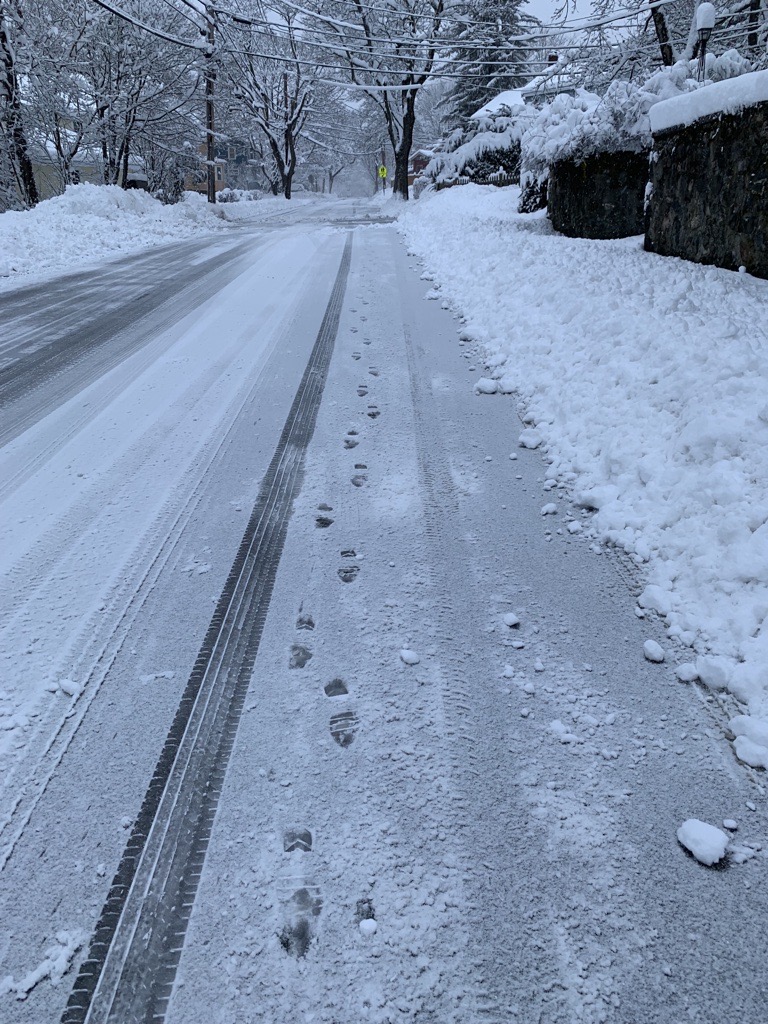
- Beware of the ground salts. When the roads and sidewalks get icy, the city will put salt on the ground to melt the ice. As much as it helps prevent awkward falls and injuries, the salt will also penetrate and damage your footwear if it’s not washed off. The salt also causes corrosion on cars, so keep that in mind too!
Protect It All
Make sure you protect your entire body. Gloves, hats and beanies, high socks and scarves are your best friends.
- I usually keep my hands in my pockets when walking outside in winter. Gloves are a great way to protect your hands, but they can also be frustrating to wear when you need to remove them to use your phone. However, they are essential when you’re planning to spend a while outside! I keep gloves in my car most of the time because the steering wheel gets too cold to touch, and I take them with me if I’m going on a walk or a hike.
- Keeping your head warm is the best way to protect yourself from catching a cold in winter. Make sure you get a hat that covers your ears! Unfortunately, baseball hats will just not do the trick.
- The gap between your pants and shoes can expose your ankles to cold. If your shoes are not tall enough to cover your ankles, a pair of high socks will help!
- Scarves are also a great way to add some protection, especially if your coat has a loose neckline. They’re also an amazing fashion statement piece! I usually wear wide scarves that I can convert into a shawl if I need to.
- (Editor’s note: Hand and foot warmers are a great way to also keep your extremities warm and comfortable, especially if you have a less insulated pair of boots, or less warm pockets. They are disposable packets that produce heat to your hands and feet, and you activate them by exposing them to air. For someone who may struggle with poor circulation to your hands and feet, or who may be spending a prolonged amount of time outside, these are an easy and affordable way to add more warmth to your commute!)
Living Comfortably
Now let’s get into discussing how to keep a living space warm. When your living space gets cold, it is important to layer up indoors too. But what are other things to keep in mind?
- Heating can get expensive. Gas and electricity prices often rise in colder months, and it may get too expensive to maintain a comfortable temperature by heating alone.
- If you’re trying to cut down on heating costs and feel tempted to turn the heating off when you leave your space for the day, consider turning it down a bit instead. It will be more expensive to re-heat your apartment completely when you come back than to slightly raise the temperature back.
- Open your windows briefly and sparingly. It is important to air out your space, but opening a window will also remove all the warm air from a space. There is no worse feeling than coming back from school to a freezing room with an open window.
- Figure out a good set of pajamas! Thermal wear, sweatshirts, and t-shirts are a great way to stay warm under the blankets.
- Warm air rises and cold air goes down. This means that lower floors in a building will have the coldest floors. Consider investing in rugs and slippers to protect your feet!
- The magic and danger of space heaters. Personally, I love space heaters because they allow me to quickly warm up a room. However, they can raise the electricity bill, and they are dangerous to leave running unattended, especially in older houses with weak electricity wiring. Space heaters are a great way to reduce heating costs and provide a quick warm-up for a space, but they cannot be the sole heating unit for a place.
- (Editor’s Note: electric blanket technology has come a long way. Getting into a toasty bed at the end of a long, cold day is something I always look forward to! If you don’t want a blanket, you can also use rice bags or hot water bottles to warm your bed for you.)
Lifestyle Adjustments
There are ways to stay warm and cozy by making a couple lifestyle adjustments.
- Sleep well. Lack of sleep disrupts the body’s ability to regulate temperature, so staying on top of rest is crucial.
- Eat well. Our bodies produce heat by burning calories. Getting enough sustenance is a great way to keep the cold away.
- Keep moving. Blood circulation is crucial for a body’s warmth. If you have to spend a while outdoors, stay active!
- Enjoy the sun whenever it comes out!
- Dry your hair promptly, especially if your hair is long. Going outside in the cold with wet hair is a recipe for hair breakage and catching a cold. Using a blow dryer also warms up your room, like a space heater.
- Warm beverages and foods. Hot soups, tea, hot chocolate, stews, and other hot foods and drinks do a great job warming up the body. Consider switching to hot coffee instead of iced coffee!
- Take hot showers before bed. Do you ever get under a blanket and struggle to fall asleep because you’re still cold? Our bodies’ functions slow down when we get sleepy and ready for bed, so it may be hard to stay warm. Manually raising your body temperature by taking a hot shower before bed ensures you fall asleep all warm and cozy! Just remember to dry your hair too.
- Beware of skin damage. Frost bites can definitely happen, but even in milder forms, cold can damage the skin on your face and hands. Keep your skin covered and moisturized!
- Have you ever woken up with neck pain in a cold room? Yes, sometimes you sleep in an awkward pose, but it is also very possible to get neck pain if your neck is cold. Make sure you cover your neck when you sleep!
Winter and Mental Health
Finally, let’s talk about winter blues. Winter blues is a mild version of seasonal depression, and it affects many people to various degrees. When the sun does not come out as often and the days get a lot shorter, our brain chemistry changes. Women are affected by this more than men, and the symptoms increase with age as well. It is not uncommon to experience increased drowsiness and social withdrawal, irritability and anxiety, lack of concentration, increased appetite, decreased sex drive, and loss of interest and pleasure in hobbies. So, what do we do?
- First of all, understand that it is okay! Winter blues are very common, and it is important to remember that it does not mean there is something wrong with you. If you realize that it suddenly became much harder to stay on top of your studies, you are not being a bad student. We just really need the sun to function.
- So, take every opportunity to enjoy the sun! See that it’s sunny outside? Go on a walk! You will be surprised how much better you will feel after being in the sun for a bit.
- Stay in community. Don’t let winter blues get in the way of your relationships with people around you.
- Keep up with hobbies. Intentionally dedicate time to do something that brings you joy.
- Regular exercise. Get that blood flowing!
- Eat good food.
- Get enough sleep during the night and resist the urge to take naps!
- Stick to a schedule. In winter, it is easy to feel like you are stuck in Groundhog Day. Keeping a calendar is a great way to structure your days in a productive way.
- Vitamin D lamp and supplements. I am by no means a medical professional, but vitamin D deficiencies are very real. We get vitamin D from the sun, so when it’s not out, we may have to rely on supplements.
- (Editor’s note: sunrise simulation lamps are great if you feel sad about it being dark so early or spend a lot of time in windowless rooms)
- Finally, be patient and speak to the Health Services at Harvard if you feel unwell!
Winter is a great and beautiful time to walk around, enjoy the fairs and festivities, decorate, play with snow, ice-skate, and drink your body weight in hot chocolate. Stay warm and healthy and enjoy it!

 HGSE Admissions Blog