A doctorate or doctoral degree is an academic degree awarded in many different fields, ranging from the humanities to scientific disciplines. We asked Ed.M. alumni that went on to pursue doctoral study what their experience in a doctoral program has been like, as well as how HGSE prepared them.
Steven Chambers
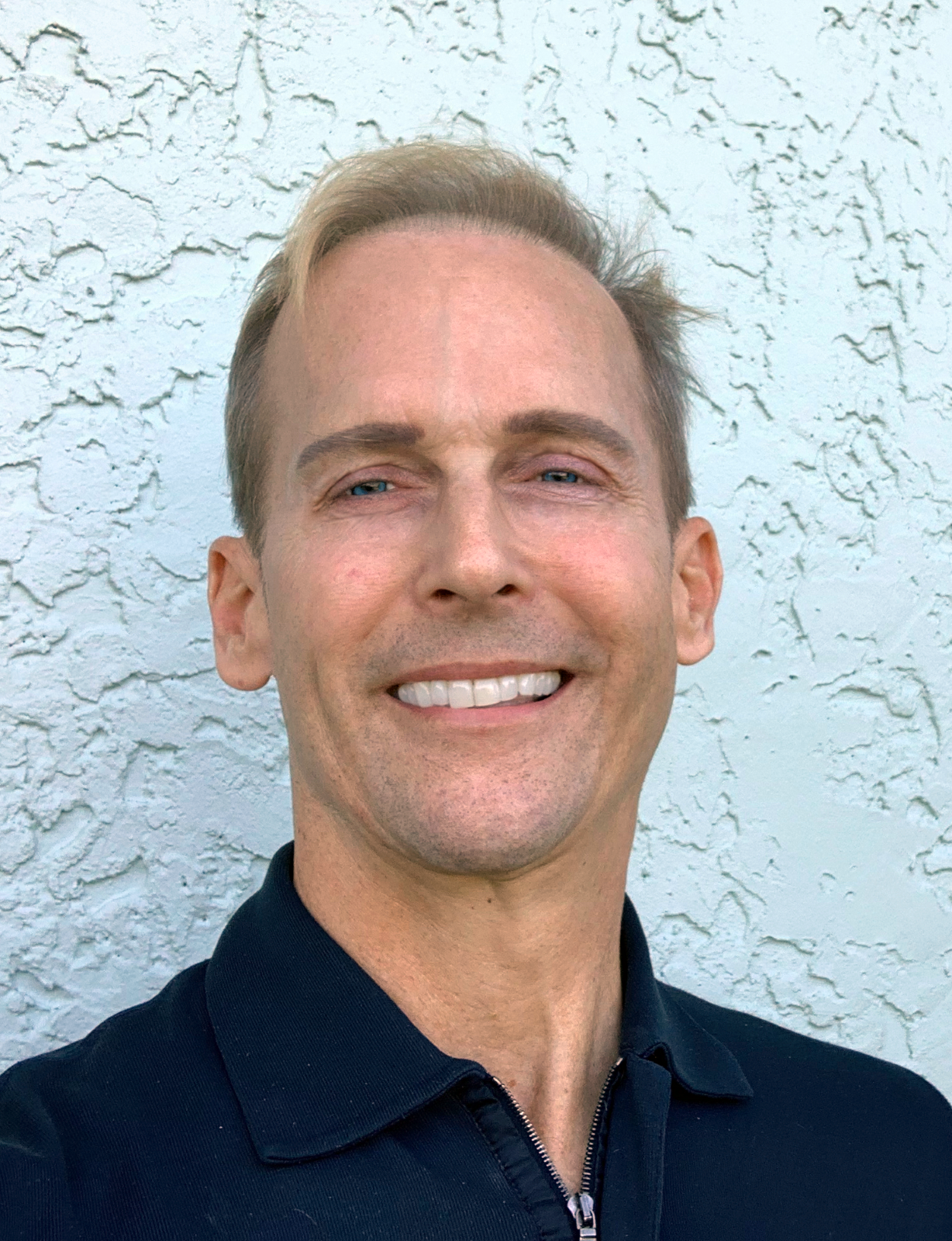
Please state the program you’re in and your doctoral research:
HGSE’s Ed.L.D. program (doctorate in Education Leadership)
Did you know you wanted to pursue doctoral study before entering the EdM program at HGSE? How did your master’s program help inform your decision to pursue a doctoral degree?
I did not! My spark for Ed.L.D. happened in a January class, Monica Higgin’s “Teaching and Learning by the Case Study Method.” In the class were Ed.L.D. folks Hassan Brown and Erica-Jordan Thomas. When either of them spoke, I always thought, “Who are these people?” They were so insightful and grounded, and generous…present and focused, and also fun. I asked them, “What’s your program focus?” and they spoke about Ed.L.D. I then met the Program Director, Drew Echelson, and he had that same focused intensity, but a welcoming intensity. I applied, interviewed, and was fortunate enough to get into the Ed.L.D. cohort of 2024.
What kind of support did HGSE provide you on your path to doctoral study?
I met with the career office, my advisor (Chris Dede), and two faculty folks whose classes I especially enjoyed (Monica Higgins and Bertrand Schneider). Those conversations, in addition to speaking with Drew and informally, to Hassan and Erica, gave me a lay-of-the-land about the Ed.L.D. program. Finally, I networked to several Ed.L.D.-ers to better understand the program including Danielle Duarte, Lizzie Melia, and Kevin Bryant. Each cast new light on the program…the cohort model, the academics, etc. Invaluable!
How did HGSE prepare you for doctoral study ?
In the Masters, I was a proud Technology & Innovation in Education (TIE) member! That course of study provided a fantastic foundation in pedagogy and as is the norm at HGSE, a foundation re: ‘equity in education.’ Academically, because I was returning to school for the Masters after a long stint working in the private sector, the Masters stimulated my writing and analytical skills, sharpening them for the doctoral program (which weighs even more on research papers).
What is your advice to students thinking about going to a doctoral program after attending HGSE’s EdM program?
It’s a lot of school to do both back-to-back. I’m an older student, so that time commitment — a cumulative four years — was a significant investment of time and money. Also, I did wrestle with the ‘leverage-out,’ or the value, post-doctoral-program, of the degree and how it could accelerate my career plans. Those assessments were personal but speaking with the folks about whom I wrote above was helpful…more than helpful, it was essential…to my gaining clarity about the relationship of the doctoral degree and my future plans. I was so motivated to continue to pursue a doctorate that I applied to 4 additional schools as I knew the Ed.L.D. program was competitive, and I wanted to maximize the options I might have to pursue doctoral study.
AnneMarie McClain
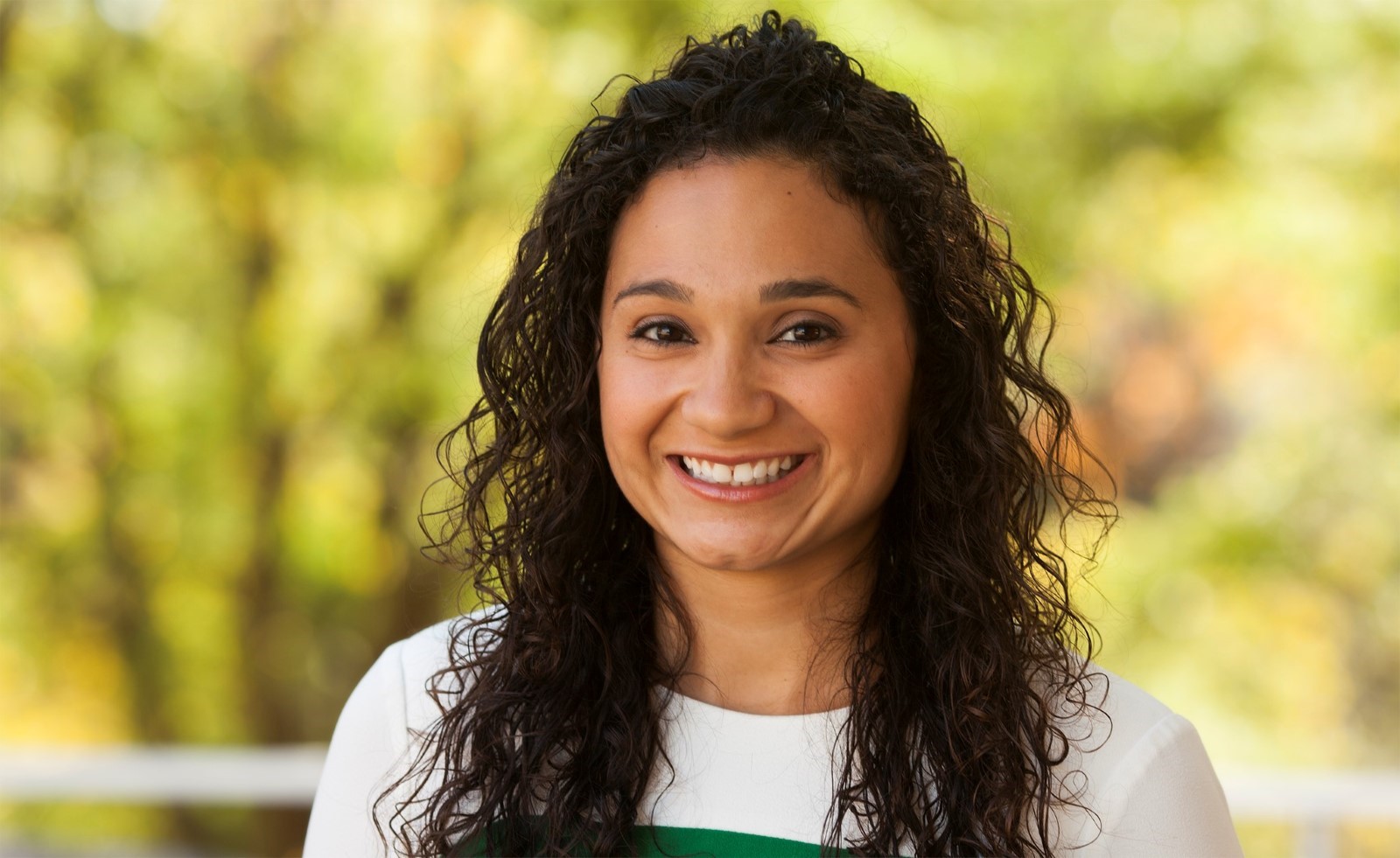
Please state the program you’re in and your doctoral research:
I’m in the Communication Science doctoral program in the Department of Communication Arts at the University of Wisconsin-Madison, and my advisor is Dr. Marie-Louise Mares. I use mixed methods to study the ways in which media can be designed and used to promote positive outcomes for marginalized children and their families.
While in training, I’ve led a study examining the ways in which U.S. Black parents of 3- to 17-year-olds use media to teach and talk to their children about race, and the predictors of various socialization strategies. I’ve also led another study investigating U.S. Black parents’ hopes and preferences for their children’s media content and passed that research along to media executives. For my dissertation, I’ll be building on this work to explore how U.S. Black parents might use media to specifically help their children cope with racism experiences.
Did you know you wanted to pursue doctoral study before entering the EdM program at HGSE? How did your master’s program help inform your decision to pursue a doctoral degree?
I did not! I knew that I was committed to the field of education and had a sense that I potentially wanted to pursue doctoral training, but I did not have a precise idea about what I would study or what options there were. I arrived at HGSE after teaching elementary school for a few years with an interest in both child development and children’s media, and with a mission to use my Ed.M. degree to help me better understand how to make the world more equitable for marginalized kids and their families.
At HGSE, I was in the Human Development and Psychology track and took courses that focused on child development, children’s media, and family, school, and community partnerships – focusing on childhood experiences with poverty and considerations for children of marginalized backgrounds. I also took a statistics class to make sure that I kept the door open for future quantitative doctoral programs.
In those classes, I knew I was in the right place for the next step in my trajectory. In particular, Joe Blatt’s children’s media classes exposed me to the kinds of documented positive effects that well-designed media could have among children, and how research could help us figure out how to strengthen those effects and discover potential new ones. (It was in one of Joe Blatt’s classes where I first read an article by my now doctoral advisor!) In Dr. Terry Tivnan’s statistics class, I learned how much I liked running quantitative analyses and more about what kinds of questions I could answer using statistics.
While at HGSE, I also had the privilege of serving as an intern for WGBH-Boston, which opened my eyes to all kinds of possibilities. Through that internship, I was introduced to a research team at the Institute for Applied Research in Youth Development (IARYD) at Tufts University under the direction of Dr. Richard Lerner. This research team was partnering with WGBH for a 3-year research project to design and evaluate a media-based socio-emotional and character development program based on the hit series Arthur. I signed on as a senior research coordinator for IARYD, and over three years, I honed the research skills and interests I had developed as an HGSE Ed.M. student and solidified my commitment to doctoral training.
What kind of support did HGSE provide you on your path to doctoral study?
HGSE faculty, staff, and my peers provided essential support along my path. First and foremost, they helped me believe in myself and in my ability to succeed in a top doctoral program. By sharing their experiences, they also helped me understand that earning a doctorate was one way to have a seat at “the table,” informing decisions that could positively affect the communities I most wanted to serve.
I am indebted to the faculty and staff who helped coach me through decision-making about opportunities that would help me understand the direction that suited me best and would help me develop key skills. They wrote me letters of recommendation and helped me think through my application materials and where to apply. I feel like they saw my potential before I could really see it myself. My peers inspired me with their own ambitious goals and with their kindness and encouraging words; being around HGSE students reminds a person that anything is possible!
How did HGSE prepare you for doctoral study?
My HGSE coursework helped me understand how to make connections between the fields of child development and communication. By having an idea of what kinds of research questions were being asked and what we already know, I had a greater sense of the possibilities for me to explore my interests. Some of the questions I began forming as an HGSE student are some of the questions that led to my doctoral work today!
I also had the opportunity to be a research assistant in the lab of Dr. Paul Harris, where I gained important research skills and learned from a community of really brilliant researchers.
HGSE also helped me understand better how it would be possible to apply a social justice lens and have an applied focus to the kind of research I was interested in doing. HGSE is a key reference point for me as I think about how to do cutting edge research that makes a difference.
What is your advice to students thinking about going to a doctoral program after attending HGSE’s EdM program?
My advice is to follow your heart and your passions! There are so many ways to use a doctoral degree to positively affect the lives of children, families, educators, and communities. (And there are so many ways to bring about positive impact without a doctoral degree, too!)
Find people whose jobs you would love to have one day and look up how they got where they did. Did they get a doctorate? If so, in what and where? If not, take note of the steps they took. Could you consider reaching out to some of these people to ask for 15-20 minutes of their time to talk about their experiences and any advice they’re willing to share?
As students are considering applying and are thinking through what their potential research areas might be, I’d ask them: What kinds of questions or findings in existing research make you really react? Or make you want to do something to build on them? What *don’t* you see out there yet in terms of findings that you want to know the answers to? If you have passionate answers to these kinds of questions and you want to use research to respond to them, I’d say a doctoral program might be right for you.
I encourage students to reach out to potential advisors early to ask them to talk. As you do this, think through which programs and advisors can help you conduct the kind of research and develop the kinds of skills that you are looking for. Find out what tools you need in your toolbox for what you hope to do after you earn a doctorate, and then do your best to select programs that feel like they’ll help you acquire or hone those tools.
Also, try not to be intimidated if you feel like you (1) do not have adequate research skills yet, (2) are unsure what research skills look like, and/or (3) are intimidated by quantitative research and analyses. You can do it! I was intimidated to take a statistics class at HGSE, but when I went up to the professor at an informational session and explained, he assured me that I could do it and that he would help me. And he did! I excelled in the class, and now I have taken so many other statistics courses, really enjoy them, and use those skills constantly. It’s never too late to try something new.
Finally, my best advice is to do your best to keep open the doors that you want to keep open and the doors that you aren’t sure you want to close. When faced with opportunities that feel like a fork in the road, try to make the choice that will allow you to still have the option later to pursue what you think you could maybe want. Try to think long-term, and visualize which opportunities are your stepping stones. At the same time, you have to listen to your gut, your heart, and your passions – I’m convinced they won’t steer you wrong! At the end of the day, there will always be many ways to get to where you want to go. HGSE students can do anything.
 HGSE Admissions Blog