Applicants need to submit three Letters of Recommendation. While we have received letters from notable public figures, it is always more helpful if you identify recommenders who know you well, and can comment on your job or course performance.
Ideally, your letter writers would include those from both academic and professional settings. If it has been several years since you took undergraduate or graduate courses, it is fine to have all recommendations be from professional contexts. The committee wants to feel confident about your ability to be successful as a student in our classes and feel confident you will be a strong contributor to the peer learning experience.
Additionally, have a conversation with your potential recommenders beforehand. It is recommended to provide your letter writers with contextual information about yourself. You might have a conversation about your reasons for pursuing graduate study. You may give them a copy of your resume or a draft of your statement of purpose.
Finally, discuss with your letter writers your decision of whether or not you will waive your right to access the letter of recommendation. Your letter writers should be aware if you will not be waiving your right and thus, will have access to the letter if you are admitted.
-Leah Amos, Assistant Director of Admissions at HGSE
We asked several currents students to share their process for choosing their recommenders. Read their advice to prospective applicants below:
Lauren Crispi
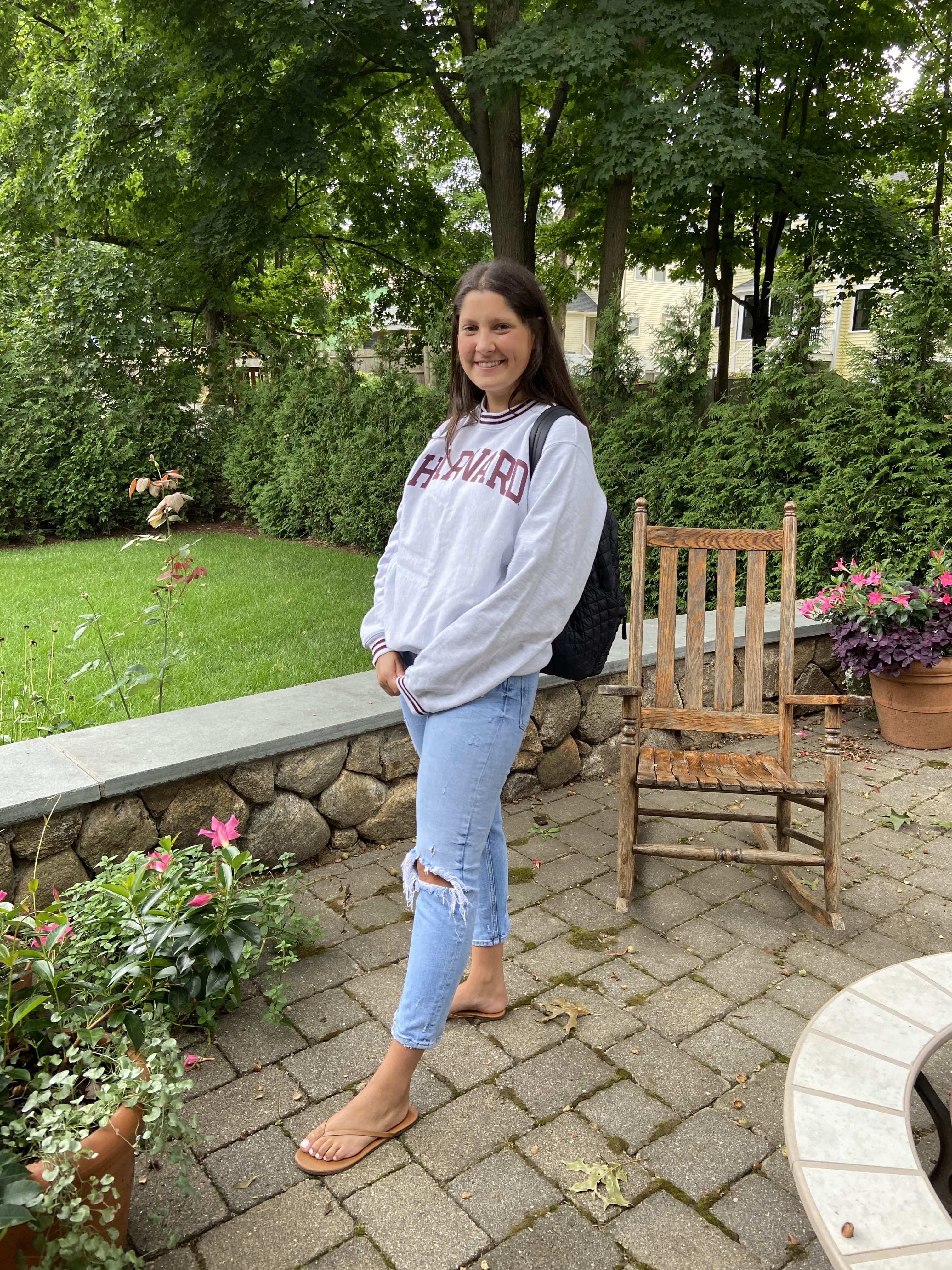
I chose my recommenders by considering how different people might write about me based on our interactions and how they could highlight different skillsets. I had the hardest time identifying a professor because, truthfully, I did not think I had developed lasting relationships with any during my time as an undergraduate (or so I had thought). I think sometimes we can be quick to sell ourselves short, when in reality, professors tend to be especially thrilled to hear that you are returning to the classroom. In addition to sharing my resume with my recommenders, I also sent a background one-pager. This was a great way to share my interests with my recommenders in an organized way.
Chandler Houldin

I knew to include a variety of voices when choosing my recommenders because I wanted to make sure different parts of myself and my experiences were portrayed. I chose someone who knew me from my extracurricular involvement in student government, a professor who helped me understand my community better, and a supervisor who also serves as my mentor. My three recommenders had access to my extended resume and my personal statement.
Devon Caveney

I chose recommenders that I had formed close relationships with and felt confident that they could speak to my work-ethic and skills. I was most worried about requesting a letter from one of my undergrad professors. We had a great relationship when I was in college, but it had been a few years since I graduated, and I didn’t keep in touch with her as much as I would’ve liked to. Therefore, I made sure to provide her with as much information as possible. I sent her my resume, a 1-pager about my interests, and an essay I had written for her class .
Ebony Breaux

When I applied for the program, I was 7 years out of undergrad, so I was nervous about who I would ask for my recommendations. I hadn’t been in touch with any professors from undergrad, but I had a lot of work experience in the education field, so I knew that the people who knew me best and could speak to my abilities would be former supervisors and colleagues. I had been in touch with all three regularly, so they already knew my story and my interests, but I did provide them with my statement of purpose and a few bullet points about my goals to help guide them.

 HGSE Admissions Blog